





























UAE’s decision to quit OPEC reflects rift with Saudi Arabia – and its aim to get closer to US
Join our WhatsApp Community to receive travel deals, free stays, and special offers!
- Join Now -
Join our WhatsApp Community to receive travel deals, free stays, and special offers!
- Join Now -

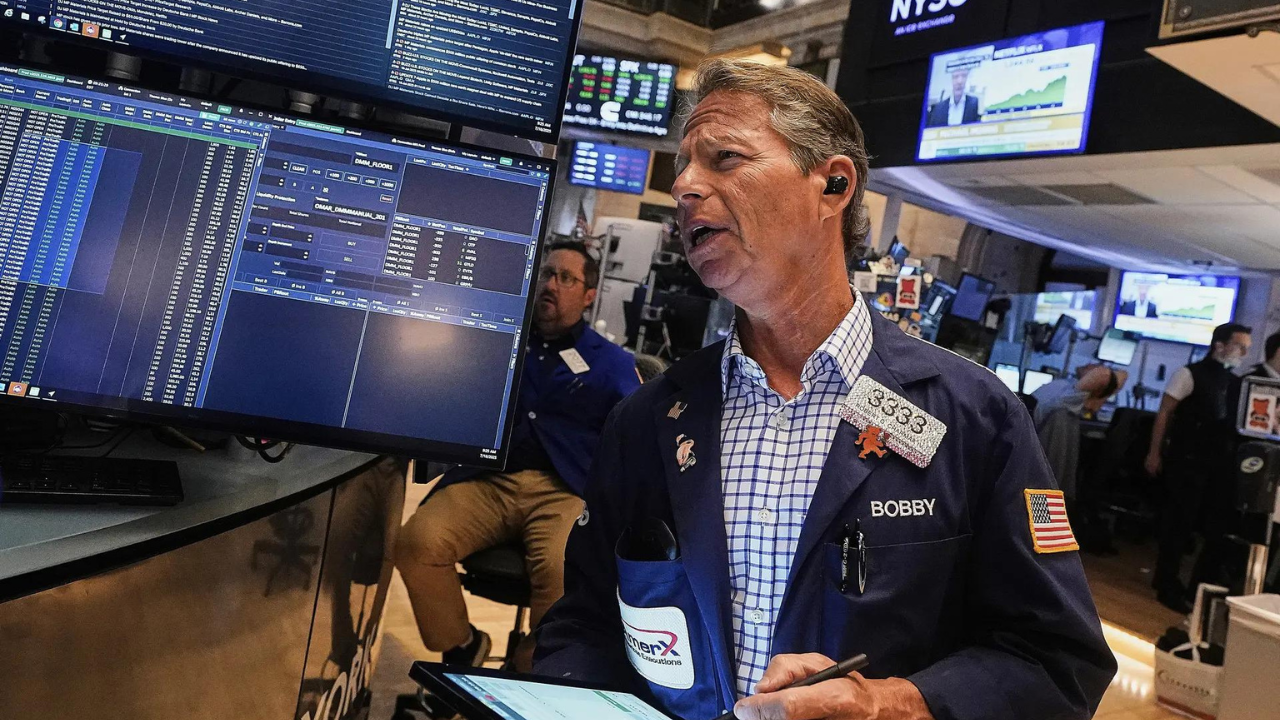
The United Arab Emirates’ decision to withdraw from the Organization of Petroleum Exporting Countries will leave the oil cartel weakened at a crucial time. It also illustrates the ongoing tensions between the UAE and Saudi Arabia, OPEC’s largest producer and de facto leader.
The UAE announced on April 28 that it will depart OPEC and OPEC+, an expanded grouping which includes Russia, on May 1, depriving the groups of their third- and fourth-largest oil producer, respectively.
Though the move may seem abrupt, as a close observer of the UAE and intra-Gulf politics, I believe Abu Dhabi’s decision to leave OPEC and go it alone had been on the cards for a while and follows years of Abu Dhabi’s complaints about the cartel.
The announcement also follows years of divergence between Emirati and Saudi oil policies, as well as the growth of competitive rivalries between the two countries over wider regional questions. This rift between the two largest Sunni Gulf states burst into the open in December, when competing visions for security in Yemen threatened to reignite civil conflict in the war-torn country.
Unity in the face of Iranian attacks since then should not mask that underlying split, of which the UAE’s OPEC decision is merely the latest manifestation.
The world’s most prominent cartel
OPEC was formed in 1960 as a way for the main oil producers...
Read more
What's Your Reaction?
 Like
0
Like
0
 Dislike
0
Dislike
0
 Love
0
Love
0
 Funny
0
Funny
0
 Angry
0
Angry
0
 Sad
0
Sad
0
 Wow
0
Wow
0