































New world order will depend on how countries leverage their own version of the Strait of Hormuz
Join our WhatsApp Community to receive travel deals, free stays, and special offers!
- Join Now -
Join our WhatsApp Community to receive travel deals, free stays, and special offers!
- Join Now -

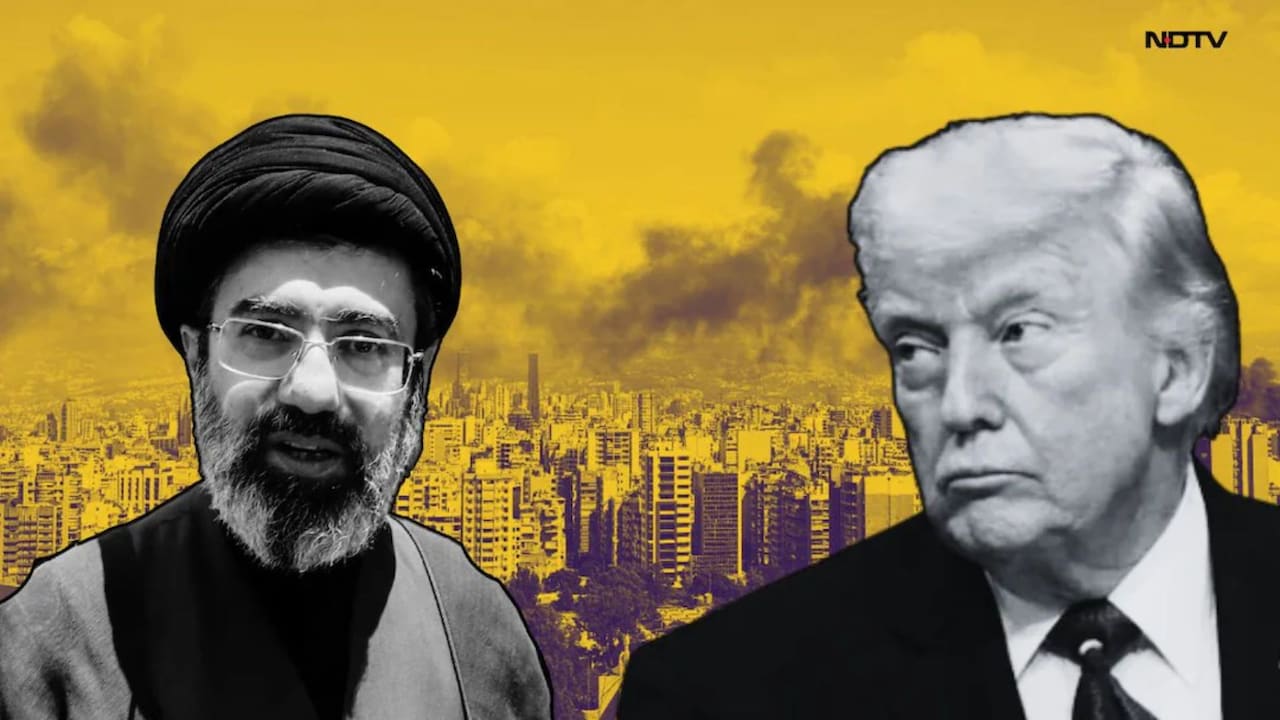
Iran’s military might was never going to be a match for the US and Israel. So instead it turned to the highly effective weapon it has at its disposal – geography.
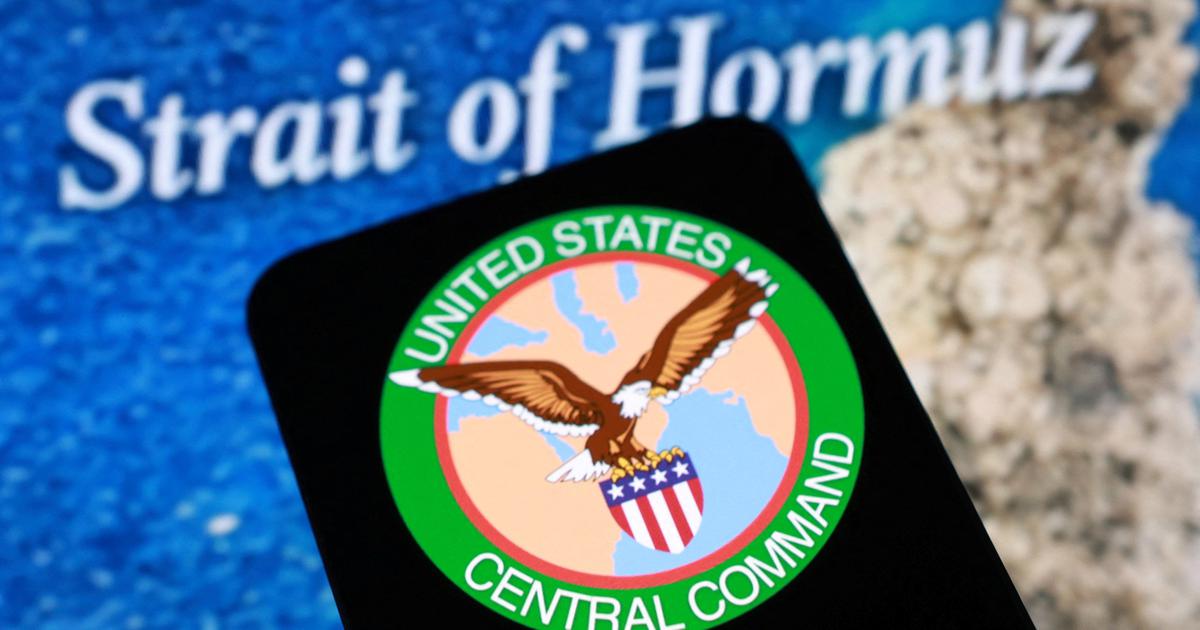
Blocking off the Strait of Hormuz has shaken the global economy. It has doubled the price of a barrel of crude oil, which has a knock-on effect on the price the rest of the world pays for everything from fuel to heating and food to holidays.
It also made Donald Trump have a rethink. The world is now waiting to see what happens next in a stretch of water which carries around 20% of the world’s oil and liquefied natural gas.
For Iran, the Strait of Hormuz has been an extremely valuable geopolitical asset. And its surprisingly strong negotiating position demonstrates a classic principle of game theory, the mathematical study of strategic interactions.
This principle, sometimes referred to as Rubinstein bargaining, basically says that during a conflict, each side’s strength depends on two things: how badly off it would be without a resolution, and how impatient it is to get things resolved.
Iran will certainly be badly off if the war continues, using up its stockpiles of missiles and drones while its infrastructure gets bombed. But dictatorships can afford to be patient, crushing dissent if it arises.
For the US, continuing with the conflict means...
Read more
What's Your Reaction?
 Like
0
Like
0
 Dislike
0
Dislike
0
 Love
0
Love
0
 Funny
0
Funny
0
 Angry
0
Angry
0
 Sad
0
Sad
0
 Wow
0
Wow
0