



























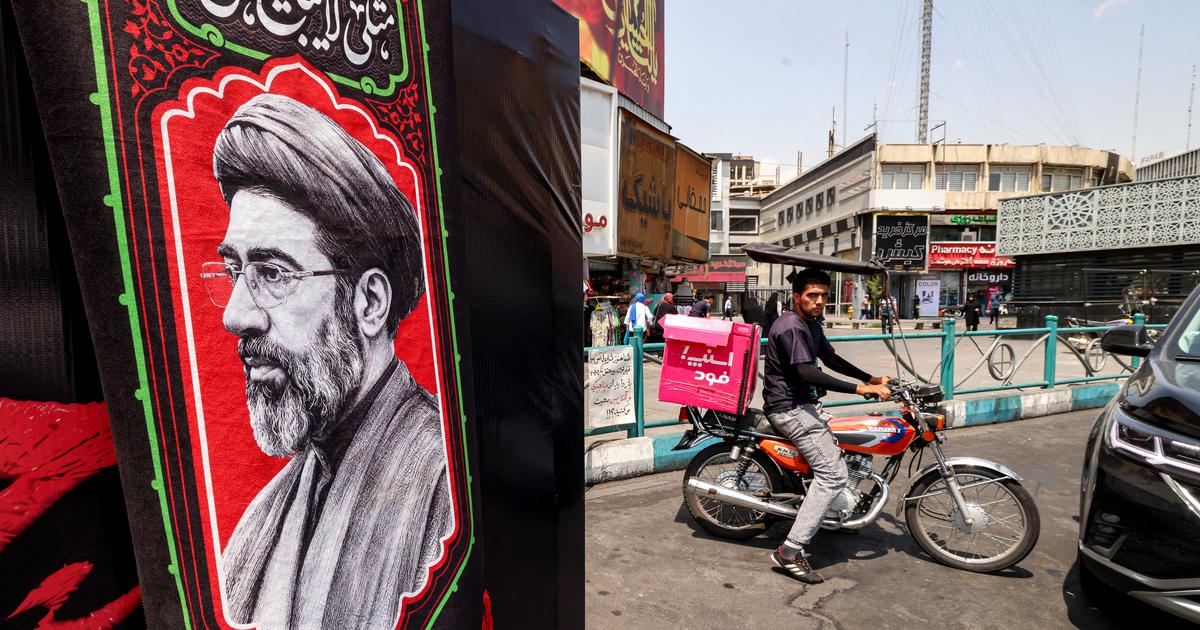
How the US war has changed power equations in Iran
Join our WhatsApp Community to receive travel deals, free stays, and special offers!
- Join Now -
Join our WhatsApp Community to receive travel deals, free stays, and special offers!
- Join Now -

When Washington unveiled its economic “D-Day” on August 19, the latest tightening of the financial siege and the blockade around Iran’s ports, it believed it was applying decisive leverage. But in Tehran the move was read as something else entirely – as confirmation that the US still prefers pressure to any settlement it might one day have to honour.
Across a political system that agrees on almost nothing, the interpretation was remarkably uniform. The economic stabilisers around the Iranian president, Masoud Pezeshkian, saw the US as reneging on a deal, while Ahmad Vahidi’s Islamic Revolutionary Guard Corps (IRGC) commanders saw their own warnings about American perfidy vindicated.
So whatever faith remained in Iran about US willingness to close a deal has thinned further. That erosion of trust now shapes what Tehran will and will not accept.
It is important to realise that Iran is making existential decisions about the survival strategy of the Islamic Republic itself. The old vocabulary of reformist against principlist – or moderate against hardliner – no longer reflects the real struggle inside the system.
The contest that matters runs between those who believe the Islamic Republic survives best by converting its wartime leverage into economic and diplomatic gains and those who believe survival depends instead on permanent confrontation. Both camps...
Read more
What's Your Reaction?
 Like
0
Like
0
 Dislike
0
Dislike
0
 Love
0
Love
0
 Funny
0
Funny
0
 Angry
0
Angry
0
 Sad
0
Sad
0
 Wow
0
Wow
0