























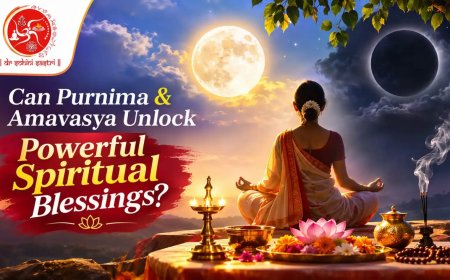



Can Purnima & Amavasya Unlock Powerful Spiritual Blessings?
Join our WhatsApp Community to receive travel deals, free stays, and special offers!
- Join Now -
Join our WhatsApp Community to receive travel deals, free stays, and special offers!
- Join Now -
Purnima and Amavasya hold deep spiritual meaning in Hindu astrology. These lunar phases influence traditional worship, fasting, meditation and religious observances. But what makes these sacred Tithis so important? From understanding their astrological significance to exploring Jagaddhatri Puja, the right Vedic guidance can help devotees follow meaningful rituals and strengthen their spiritual connection with divine energies learn from Best astrologer in Kolkata.
Table of Contents
- What Do Purnima & Amavasya Mean in Vedic Astrology Learn from Best Astrologer in Kolkata?
- What Is the Astrological Significance of Purnima and Amavasya?
- Purnima vs Amavasya: What Is the Difference?
- Why Is Jagaddhatri Puja Spiritually Important?
- What Does Goddess Jagaddhatri Represent?
- How Do Devotees Worship Goddess Jagaddhatri?
- How Are Purnima, Amavasya and Jagaddhatri Puja Connected?
- Why Consult the Best Astrologer in Kolkata for Purnima and Amavasya Guidance?
- How Can Dr Sohini Sashtri Help With Hindu Tithi and Nakshatra Guidance?
- Conclusion: Understand the Divine Meaning of Every Lunar Tithi
- Frequently Asked Questions (FAQs)
What Do Purnima & Amavasya Mean in Vedic Astrology Learn from Best Astrologer in Kolkata?
Purnima (Full Moon) and Amavasya (New Moon) hold special significance in Vedic astrology. These lunar phases influence spiritual practices, religious observances and traditional beliefs. Purnima symbolises fulfilment, positivity and spiritual growth, while Amavasya represents introspection, remembrance and new beginnings. Understanding their astrological importance helps people appreciate Hindu traditions, lunar cycles and the deeper meaning of spiritual worship.
Purnima and Amavasya hold special importance in Hindu astrology. What is the astrological significance of Purnima and Amavasya? These sacred lunar phases guide traditional worship, spiritual reflection and religious observances, including Jagaddhatri Puja.
In Vedic astrology, the Moon represents the mind, emotions and inner balance. Therefore, understanding lunar Tithis can help devotees appreciate the spiritual meaning of different days. With guidance from Dr Sohini Sashtri, people can explore traditional Hindu rituals and their astrological significance. Check our Youtube click: https://www.youtube.com/watch?v=D_8Yp940vt8
What Is the Astrological Significance of Purnima and Amavasya?
Purnima and Amavasya represent two important phases of the lunar cycle. Each carries a distinct meaning in Hindu traditions and Vedic astrology.
1. Purnima: The Sacred Full Moon
Purnima occurs when the Moon appears fully illuminated. Hindu traditions associate this day with spiritual fulfilment, devotion, generosity and religious celebrations.
Its traditional significance includes:
- Spiritual growth: Devotees use this day for prayer, meditation and self-reflection.
- Religious worship: Many people perform special pujas and offer prayers to their chosen deities.
- Charity and donations: Giving food, clothes and other essentials is considered meaningful.
- Fasting: Some devotees observe a Purnima fast according to their family traditions.
- Positive intentions: People often use this occasion to focus on gratitude and personal growth.
2. Amavasya: The Sacred New Moon
Amavasya occurs when the Moon remains invisible or nearly invisible from Earth. In Hindu traditions, this Tithi carries importance for remembrance, ancestral rituals and spiritual reflection.
Its traditional significance includes:
- Pitru Tarpan: Families offer water and prayers in remembrance of their ancestors.
- Spiritual cleansing: Devotees practise prayer, meditation and self-discipline.
- Charity: Donations to people in need form an important part of many Amavasya observances.
- Religious rituals: Some families perform specific pujas according to their customs.
- Inner reflection: This day encourages people to examine their thoughts and actions.
Purnima vs Amavasya: What Is the Difference?
Both lunar phases have spiritual importance. However, their traditional observances and symbolism differ.
| Aspect | Purnima | Amavasya |
| Lunar phase | Full Moon | New Moon |
| Moon’s appearance | Fully illuminated | Not visible or nearly invisible |
| Traditional focus | Devotion and spiritual fulfilment | Ancestor remembrance and reflection |
| Common rituals | Puja, fasting and charity | Pitru Tarpan, puja and charity |
| Spiritual theme | Gratitude and devotion | Remembrance and introspection |
Why Is Jagaddhatri Puja Spiritually Important?
Jagaddhatri Puja celebrates Goddess Jagaddhatri, a revered form of the Divine Mother. Her name represents the Goddess who sustains and protects the world.
This festival holds a special place in West Bengal, particularly in Chandannagar and different parts of Kolkata.
Unlike Purnima and Amavasya observances, Jagaddhatri Puja follows a separate lunar Tithi. Traditionally, devotees celebrate it on Shukla Navami during the Hindu month of Kartik.
What Does Goddess Jagaddhatri Represent?
Goddess Jagaddhatri symbolises:
- Protection: Devotees seek the Goddess’s blessings for strength and protection.
- Divine power: She represents the nurturing and sustaining power of the Divine Mother.
- Courage: Her worship inspires faith and confidence during difficult situations.
- Spiritual discipline: The festival encourages devotion, prayer and self-reflection.
- Victory over negativity: Her traditional symbolism reminds devotees to overcome negative thoughts and harmful tendencies.
How Do Devotees Worship Goddess Jagaddhatri?
Devotees follow different rituals according to their family customs and regional traditions.
Common practices include:
- Cleaning and decorating the puja space.
- Offering flowers, fruits and traditional bhog.
- Chanting devotional mantras and prayers.
- Performing aarti and participating in community celebrations.
- Seeking blessings for family well-being and spiritual growth.
How Are Purnima, Amavasya and Jagaddhatri Puja Connected?
All three observances form part of the broader Hindu lunar calendar and devotional traditions. However, they do not represent the same Tithi or ritual.
Purnima and Amavasya mark important lunar phases, while Jagaddhatri Puja takes place on a specific ninth lunar day during the bright fortnight of Kartik.
Understanding these differences helps devotees follow the correct dates and rituals. Book an Appointment for astrology consult click : https://sohinisastri.com/appointment/
For a clearer understanding, consider these points:
- Check the local Hindu Panchang before observing a fast or puja.
- Understand the Tithi’s beginning and ending times.
- Follow the traditional rules of your family and community.
- Learn the spiritual meaning behind each observance.
- Seek knowledgeable Vedic guidance when you need help interpreting lunar Tithis.
Why Consult the Best Astrologer in Kolkata for Purnima and Amavasya Guidance?
Hindu lunar calculations can sometimes feel confusing, especially when Tithi timings differ between locations or calendar systems.
Consulting the Best Astrologer in Kolkata can help you understand traditional astrological calculations, Nakshatras and the significance of important lunar days. Check client’s review click:
Dr Sohini Sashtri offers Vedic astrology consultation for individuals interested in understanding traditional astrological principles and religious observances.
How Can Dr Sohini Sashtri Help With Hindu Tithi and Nakshatra Guidance?
A personalised Vedic astrology consultation can help you explore:
- Tithi interpretation: Understand the traditional meaning of Purnima, Amavasya and other lunar days.
- Nakshatra guidance: Learn how Nakshatras feature in traditional Vedic astrology.
- Puja timings: Understand how Panchang calculations help identify suitable observance timings.
- Traditional remedies: Explore customary prayers, mantras and charitable practices.
- Festival significance: Learn about the astrological and spiritual background of Hindu festivals.
If you want to understand the traditional significance of lunar phases, consider consulting Dr Sohini Sashtri for personalised Vedic astrology guidance. Check client’s review click: https://tinyurl.com/2s2p3hth Conclusion: Understand the Divine Meaning of Every Lunar Tithi
Purnima, Amavasya and Jagaddhatri Puja carry meaningful places in Hindu spiritual traditions. Each observance offers an opportunity to practise devotion, remember ancestors and strengthen personal faith. However, understanding their correct Tithis and traditional significance is equally important. With guidance from Dr Sohini Sashtri, devotees can explore Hindu Tithi and Nakshatra traditions through informed Vedic astrology consultation and meaningful spiritual practices. Click on the map link: https://maps.app.goo.gl/ErxtAh23C4NDQ1gH7 Frequently Asked Questions (FAQs)
1. What is the astrological significance of Purnima and Amavasya?
Purnima symbolises the full Moon and traditionally represents devotion, spiritual fulfilment and religious activities. Amavasya represents the new Moon and is associated with ancestral remembrance, charity and introspection in Hindu traditions.
2. Is Purnima considered auspicious in Hindu astrology?
Yes. Many Hindu traditions consider Purnima suitable for worship, fasting, meditation and charitable activities. However, specific observances depend on the festival, regional customs and Panchang calculations.
3. Why is Amavasya important for Pitru Tarpan?
Amavasya holds special importance for ancestral remembrance in Hindu traditions. Many families perform Pitru Tarpan and offer prayers to express gratitude and respect towards their ancestors.
4. When is Jagaddhatri Puja celebrated?
Jagaddhatri Puja is traditionally celebrated on Shukla Navami during Kartik month. The exact Gregorian date changes every year according to the Hindu lunar calendar.
5. Can Purnima and Amavasya affect our emotions according to astrology?
In Vedic astrology, the Moon represents the mind and emotions. Therefore, astrologers traditionally interpret lunar phases when studying emotional tendencies. However, scientific evidence does not establish that these phases directly determine an individual’s emotional state.
6. Where can I consult the Best Astrologer in Kolkata for Tithi and Nakshatra guidance?
You can consult Dr Sohini Sashtri for Vedic astrology guidance about Hindu Tithis, Nakshatras, Purnima, Amavasya and traditional religious observances.
What's Your Reaction?
 Like
0
 Dislike
0
 Love
0
 Funny
0
 Angry
0
 Sad
0
 Wow
0