




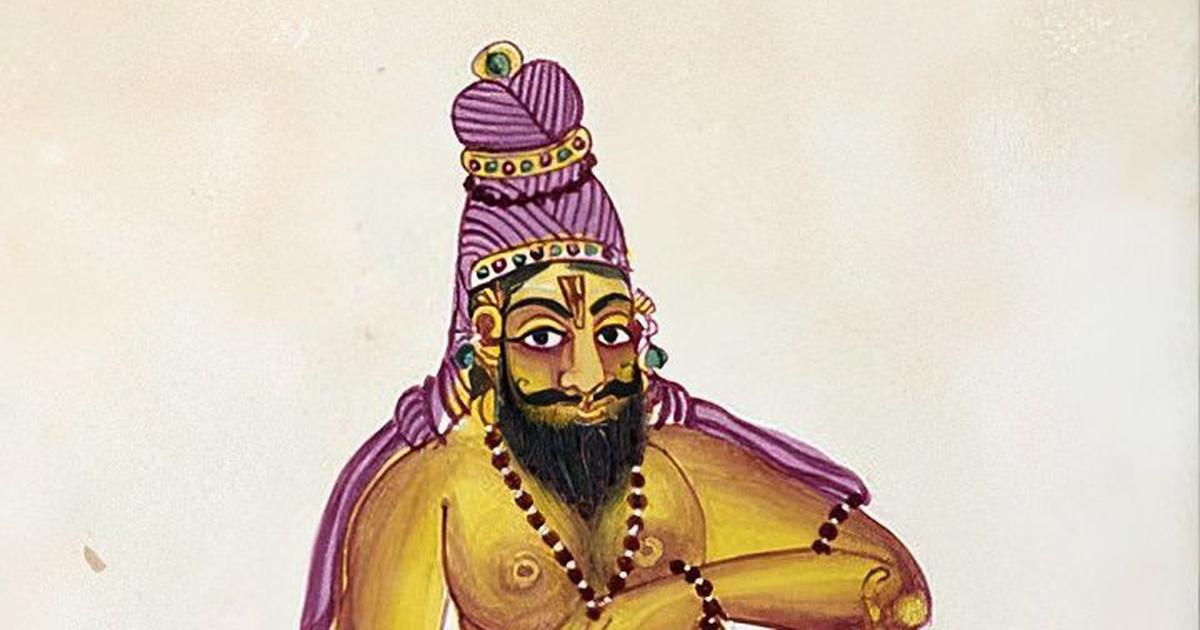



































Before the 21st century’s climate grief, there was Bibhutibhusan Bandyopadhyay’s 1939 novel Aranyak’

Join our WhatsApp Community to receive travel deals, free stays, and special offers!
- Join Now -
Join our WhatsApp Community to receive travel deals, free stays, and special offers!
- Join Now -

Bibhutibhushan Bandyopadhyay’s Aranyak is one of those rare books that seems to have arrived from the future while being buried deep in the past.
Published in 1939, set in the forests of India’s [modern-day] Bihar under colonial rule, the novel now reads like an indictment of modern civilisation composed decades before ecological consciousness became fashionable.
It is a novel written from inside a moral wound.
Few works in world literature have understood, with such devastating calmness, that the destruction of nature is inseparable from the destruction of memory and the human soul itself.
The usual comparisons do not quite work. It is not pastoral literature in the European sense because the forest in Aranyak is never decorative. It is not romantic primitivism because Bandyopadhyay never sentimentalises poverty or tribal life. Nor is it simply an anti-modern text.
The novel knows too much about hunger to indulge in utopian fantasies. Instead, Aranyak occupies a singular territory. It is perhaps the only major novel in world literature in which the narrator simultaneously acts as coloniser, witness, executioner, and mourner of the natural world.
Its narrator, Satyacharan, arrives in the forests as a young educated Bengali from Calcutta, employed to clear land and settle tenants on behalf of absentee landlords. His task is straightforward. Convert wilderness into taxable property. Trees...
Read more
What's Your Reaction?
 Like
0
Like
0
 Dislike
0
Dislike
0
 Love
0
Love
0
 Funny
0
Funny
0
 Angry
0
Angry
0
 Sad
0
Sad
0
 Wow
0
Wow
0