






































India’s massive judicial backlog can be tackled by a simple legal provision that already exists
Join our WhatsApp Community to receive travel deals, free stays, and special offers!
- Join Now -
Join our WhatsApp Community to receive travel deals, free stays, and special offers!
- Join Now -

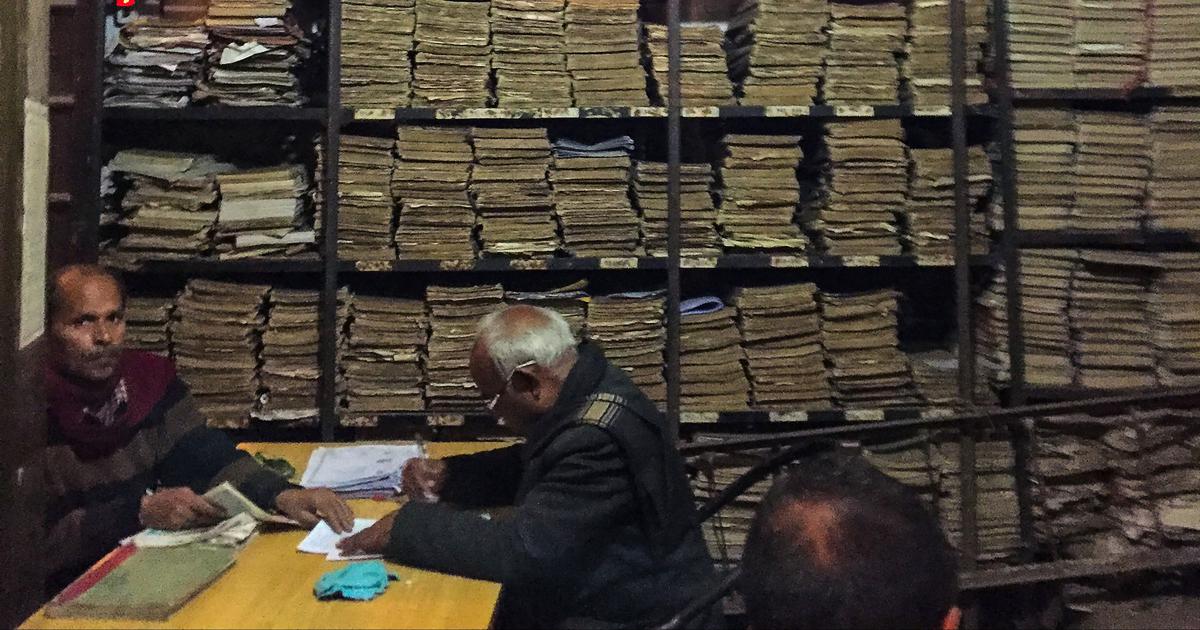
For decades, the Indian judiciary has been described as a “leaking tap” – a system where the inflow of new cases consistently outpaces the rate of disposal, leading to a staggering backlog of over five crore cases.
While solutions, ranging from increasing the number of judges to digitising records, are frequently proposed, the most potent weapon against pendency already exists in the statute books: the restriction on adjournments.
If Indian courts were to strictly follow the “Rule of Three” as mandated by law, the judicial system can radically transform from a marathon of delays into a sprint toward justice.
Culture of adjournment
The legal framework for curbing delays is surprisingly robust. Order XVII, Rule 1 of the Code of Civil Procedure explicitly states that no more than three adjournments shall be granted to a party during the hearing of a suit.
The newly enacted Bharatiya Nagarik Suraksha Sanhita has tightened the screws on the criminal side, capping adjournments at two. The law even mandates that costs must be imposed on the party seeking the delay.
However, a “culture of adjournment” has turned these mandatory provisions into mere suggestions. In practice, the average case in a subordinate court sees between 12 and 30 adjournments. If the judiciary were to bridge the gap...
Read more
What's Your Reaction?
 Like
0
Like
0
 Dislike
0
Dislike
0
 Love
0
Love
0
 Funny
0
Funny
0
 Angry
0
Angry
0
 Sad
0
Sad
0
 Wow
0
Wow
0