














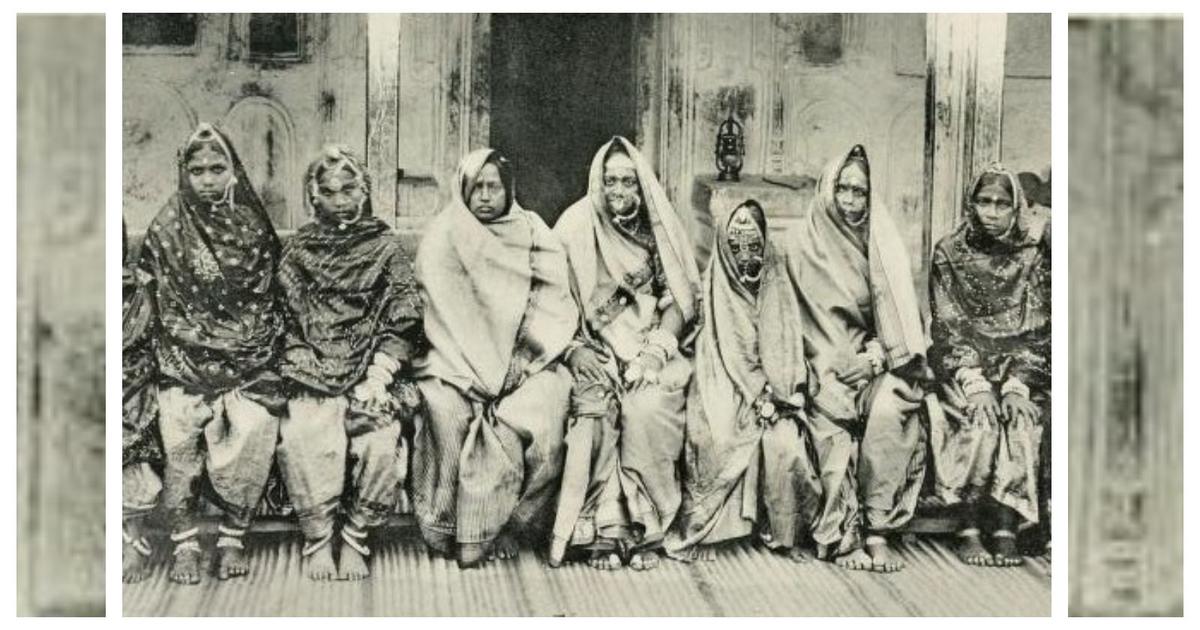
How the First World War took a toll on Indian women
Join our WhatsApp Community to receive travel deals, free stays, and special offers!
- Join Now -
Join our WhatsApp Community to receive travel deals, free stays, and special offers!
- Join Now -

Who do we forget on Remembrance Day, observed in Commonwealth member states to commemorate members of the armed forces who have fallen in the line of duty?
For a long time, histories of the First World War have been popularly understood in a Euro-centric manner. But descendants of Indian soldiers and researchers have long pushed for recognition for the approximately 1.4 million men from current-day India, Pakistan and Bangladesh who helped wage the First World War for the British Empire.
Yet when it comes to the war’s impact on British India, many of us still think of contributions as military and masculine.
The double portrait of two Sikh risaldars, Jagat Singh and Man Singh, currently on display at the Art Gallery of Ontario is a testament to such recognition.
The men hailed from Punjab, the hub of military recruitment known as the “sword arm” of the Raj.
The piece was painted in London by Phillip de László two months before the Battle of the Somme in 1916, when many Indian soldiers were wounded or lost their lives.
But remembrance is gendered. Historian Radhika Singha has revealed the overlooked role of non-combatants such as labourers, cooks, sweepers and many other essential “follower” roles in the war. Male and militarised remembrance also takes for granted the impact of the war on those women and families...
Read more
What's Your Reaction?
 Like
0
 Dislike
0
 Love
0
 Funny
0
 Angry
0
 Sad
0
 Wow
0