



















![Kitchen Reusable Frying Pan Tong Food Strainer Tool – ONLY ₹119 [MRP: ₹499]](https://savefree.in/uploads/images/202606/image_870x580_6a33ddde99a19.webp?#)


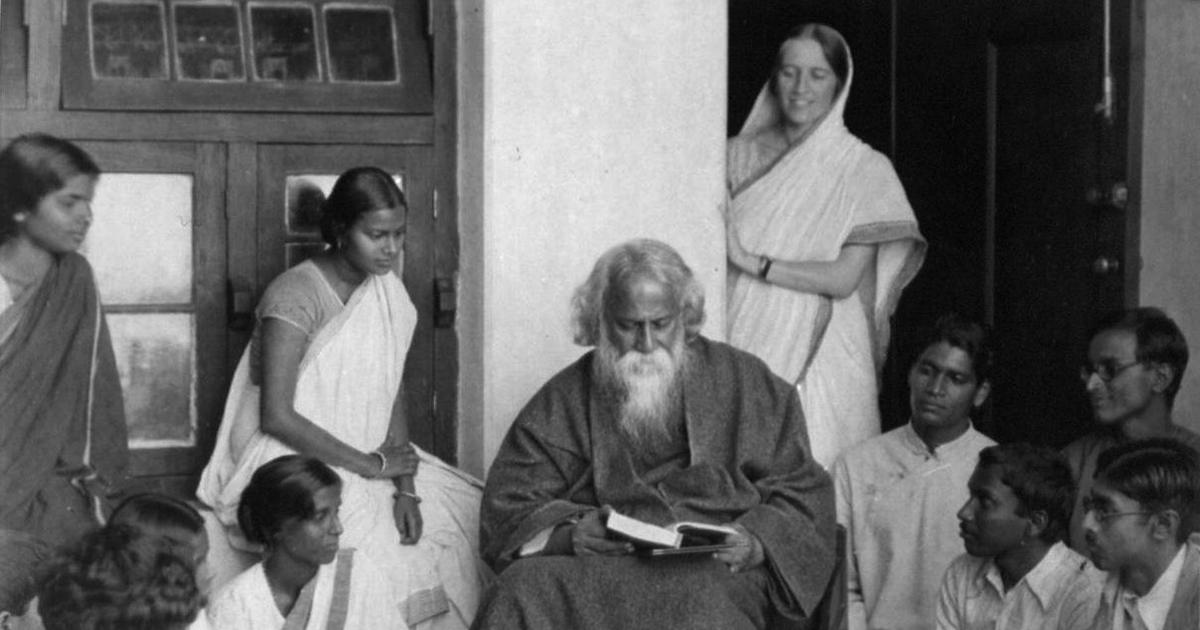
From anti-colonial to pre-independence struggles: Rabindranath Tagore’s songs in the time of famine
Join our WhatsApp Community to receive travel deals, free stays, and special offers!
- Join Now -
Join our WhatsApp Community to receive travel deals, free stays, and special offers!
- Join Now -

In 1940s’ Bengal, famine and war displaced Rabindrasangeet (the corpus of songs composed by Rabindranath Tagore that synthesises lyrical poetry and music and occupies a central place within Bengali cultural life) from its performative location within the bhadralok domain, the English-educated, upper-caste, middle-class elite of colonial Bengal, whose authority was grounded in notions of respectability, cultural capital, and intellectual refinement. Within this conjuncture, the genre moved into sites of collective performance and political mobilisation, entering an uneasy encounter with the progressive networks of the cultural Left, namely, the Marxist cultural movement of the 1940s, through organisations such as the Youth Cultural Institute (1940) and the Indian People’s Theatre Association (1943), where it acquired new political meanings.
Sonic registers of protest
Each year, on Tagore’s birth anniversary, his songs are re-inscribed into institutional and commemorative spaces, such as concert halls, classrooms, and carefully curated public performances, that stabilise their canonical authority within a rabindrik (Tagoresque) aesthetic order. Rabindrasangeet is performed with a reverential continuity that frames it as timeless, stable, and largely removed from the urgencies of politics. It is in the Bengal famine of 1943 and the movement that grew out of it that these songs sounded markedly different, carrying their earlier Swadeshi (1905–1911)...
Read more
What's Your Reaction?
 Like
0
Like
0
 Dislike
0
Dislike
0
 Love
0
Love
0
 Funny
0
Funny
0
 Angry
0
Angry
0
 Sad
0
Sad
0
 Wow
0
Wow
0