






































Consumers can’t get enough pistachio – but concerns about its environmental impact are growing
Join our WhatsApp Community to receive travel deals, free stays, and special offers!
- Join Now -
Join our WhatsApp Community to receive travel deals, free stays, and special offers!
- Join Now -

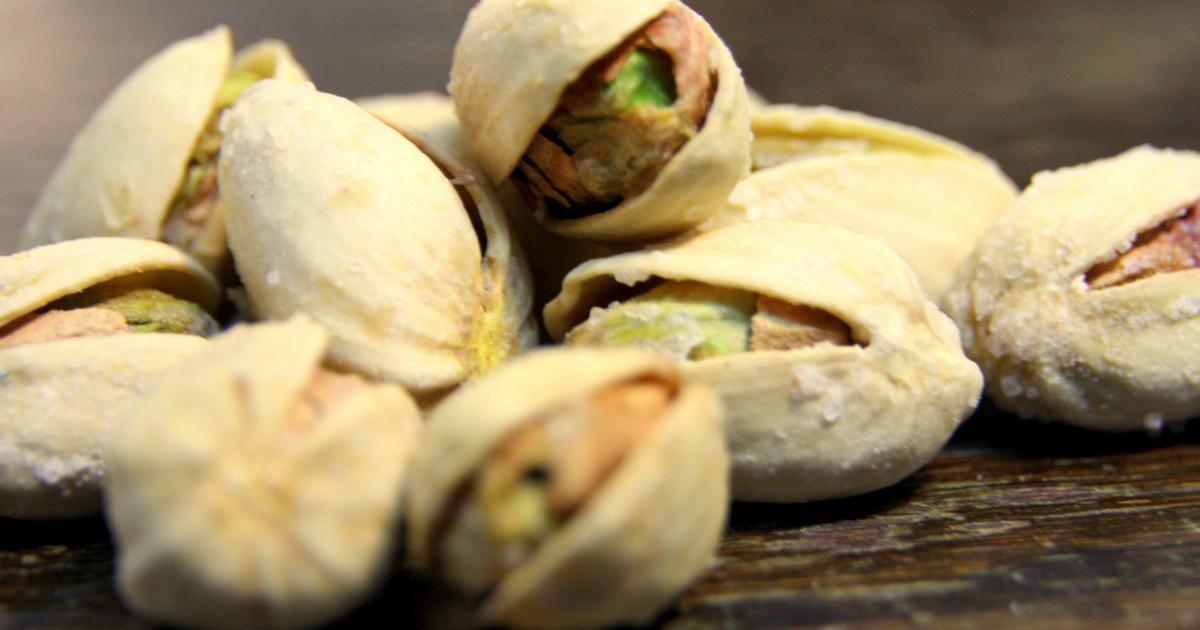
Pistachio production has more than trebled in the last 20 years. In 2024, more than 1.4 million tonnes were produced globally. Their popularity has only increased in the last two years, with a growing status as a trendy, luxury food item.
However, this rise in popularity has come with concerns around the pistachio’s environmental impacts. There are also questions around whether their production can withstand changing climate conditions.
Pistachios originated in modern-day Turkey and Iran. Despite being considered a nut, they are actually the seeds of pistachio trees. These trees thrive in a hot summer climate but require relatively cold winter temperatures to ensure the trees flower at the right time in spring. They also require dry conditions, as high humidity can reduce yields and leave the trees susceptible to fungal disease.
In the late 19th and early 20th century, pistachios were popularised in the US by migrants from the Middle East. By the 1930s, pistachio orchards were established in California. The warm, dry climate of California provided ideal conditions for pistachio trees, so much so that the US has now overtaken Iran and Turkey as the world’s largest producer of pistachios.
The estimated carbon footprint for pistachios is around 2.5kg of CO₂ equivalent (kg CO₂e). That’s all the greenhouse gases resulting from growing, processing and transporting pistachios, including...
Read more
What's Your Reaction?
 Like
0
Like
0
 Dislike
0
Dislike
0
 Love
0
Love
0
 Funny
0
Funny
0
 Angry
0
Angry
0
 Sad
0
Sad
0
 Wow
0
Wow
0