






















![75-Inch Xiaomi QLED 4K Smart Google TV at Just ₹69,999 [MRP: ₹1,19,999] — Limited-Time Amazon Deal!](https://savefree.in/uploads/images/202608/image_870x580_6a76d4ff79dd9.webp?#)



‘Children of god’: Madras HC infantilises transgender persons rather than speak of their rights
Join our WhatsApp Community to receive travel deals, free stays, and special offers!
- Join Now -
Join our WhatsApp Community to receive travel deals, free stays, and special offers!
- Join Now -

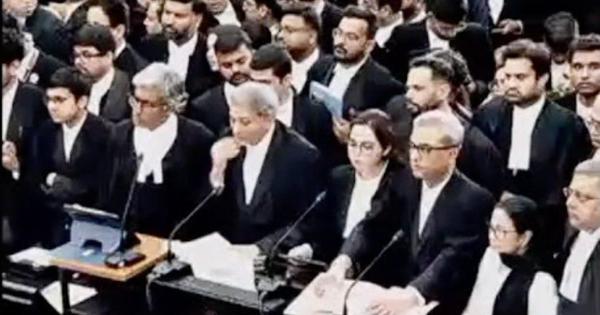
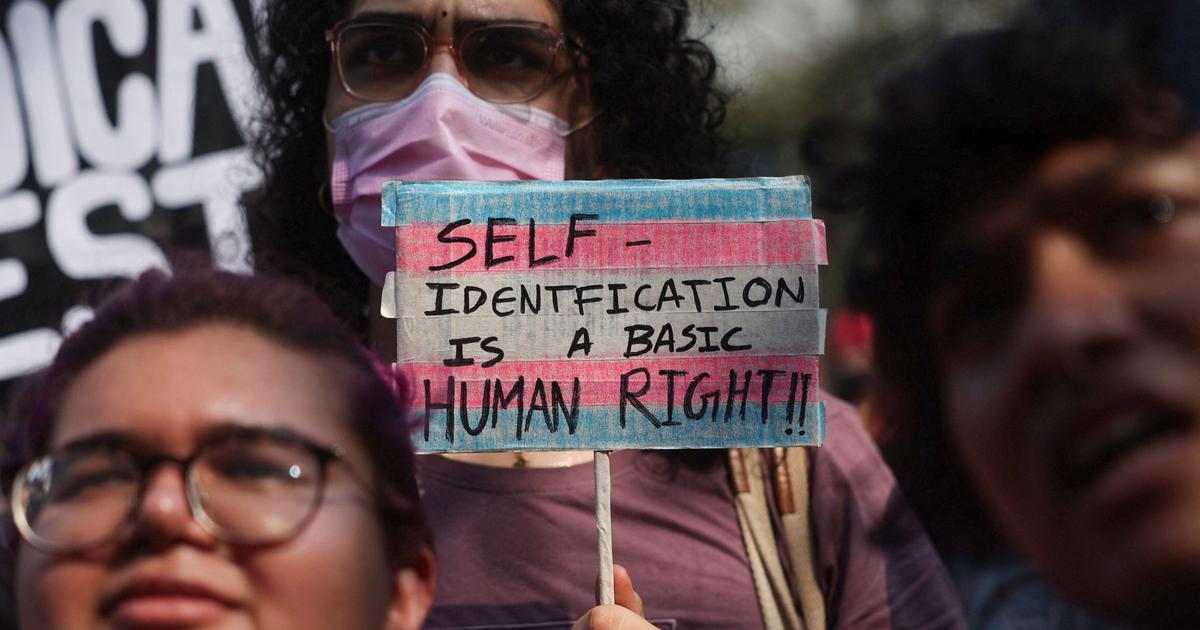
During a routine anticipatory bail hearing late in April, the Madras High Court referred to transgender persons as “children of god”.
The phrase appears compassionate, an attempt to restore dignity to a marginalised community. But this language is neither neutral nor benign. It belongs to a longer history of paternalistic recognition in India, most notably captured in the term “Harijan”, popularised by Mohandas Gandhi to describe those oppressed by caste-based untouchability.
Like “children of god,” the word “Harijan” sought to confer moral worth through spiritual elevation. And like it, the term was ultimately rejected by anti-caste thinkers for replacing structural critique with sentimental moralism.
Indian courts have, when confronted with marginalised identities, reached for emotional language on more than one occasion. The Supreme Court’s 2014 landmark ruling in NALSA v Union of India, which affirmed the fundamental rights of transgender persons, opened by observing that they are often “treated as untouchables”.
This analogy to caste, while rhetorically powerful, was not carried through into the reasoning of the judgment. Caste was reduced to a metaphor and with the judgement’s analysis proceeded on an isolated understanding of gender, leaving the intersection of caste and gender unexamined.
The Madras High Court’s invocation of “children of God” is a shift in register – from social analogy to...
Read more
What's Your Reaction?
 Like
0
Like
0
 Dislike
0
Dislike
0
 Love
0
Love
0
 Funny
0
Funny
0
 Angry
0
Angry
0
 Sad
0
Sad
0
 Wow
0
Wow
0