





















Why making live events accessible for people with disabilities makes sense for everyone
Join our WhatsApp Community to receive travel deals, free stays, and special offers!
- Join Now -
Join our WhatsApp Community to receive travel deals, free stays, and special offers!
- Join Now -

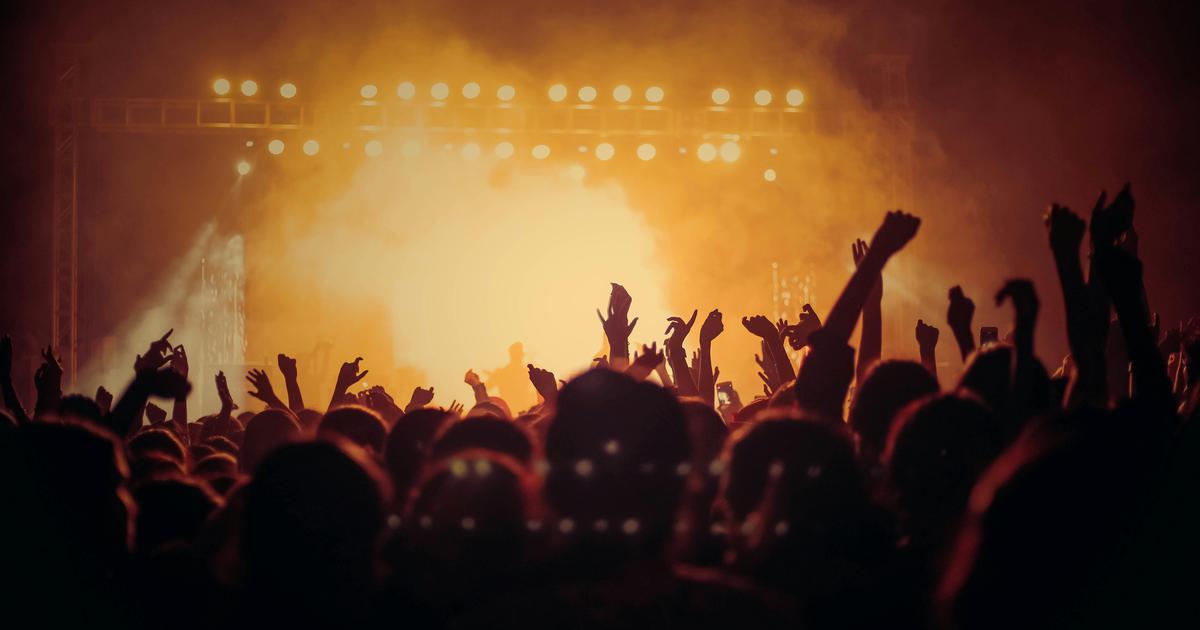
Last December, Delhi hosted a concert by AR Rahman and his Sufi ensemble. On paper, this was an accessible concert, at least for wheelchair users who could afford the premium tiers priced at Rs 6,000 or Rs 25,000. The lowest-priced ticket, at Rs1,000, offered no wheelchair access at all. The Rahman concert was symptomatic of a larger issue – one where accessibility is treated as a luxury feature rather than a basic design requirement.
Many other musicians like Sunidhi Chauhan, AP Dhillon, and Papon came and captured Delhi in the same month. Unfortunately, unlike Rahman, even money could not buy you access to these concerts.
And we are only talking about accessibility for wheelchair users here. People with visual, hearing, or sensory impairments do not even enter the conversation in most cases. Are they not seen as individuals who have a right to access and enjoy public spaces?
Some countries such as the United Kingdom have made considerable progress in terms of mainstreaming accessibility for different disabilities. In addition to the Equality Act of 2010 that makes access a statutory right, many organisations including universities, event management and ticketing platforms and charities have guidelines on designing inclusive events.
This is an outcome of years of disability rights advocacy...
Read more
What's Your Reaction?
 Like
0
Like
0
 Dislike
0
Dislike
0
 Love
0
Love
0
 Funny
0
Funny
0
 Angry
0
Angry
0
 Sad
0
Sad
0
 Wow
0
Wow
0