





































Why it cannot be business as usual for Assam as it rebuilds from floods
Join our WhatsApp Community to receive travel deals, free stays, and special offers!
- Join Now -
Join our WhatsApp Community to receive travel deals, free stays, and special offers!
- Join Now -

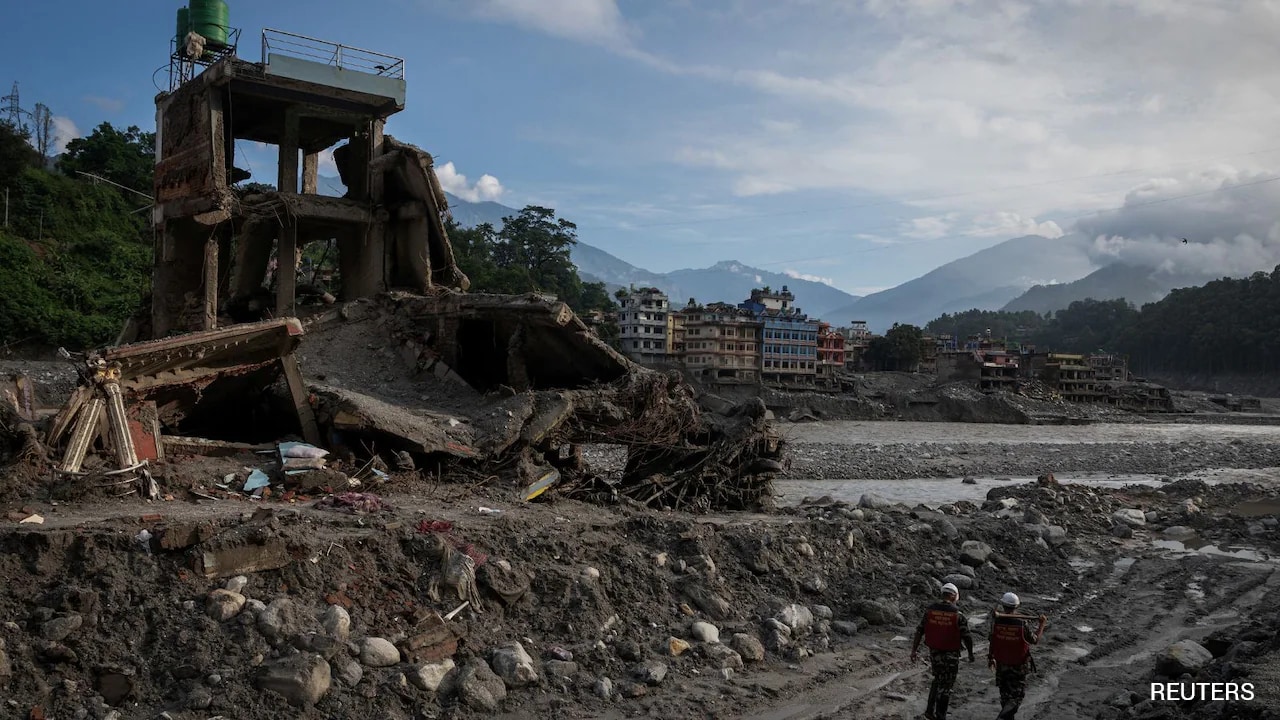
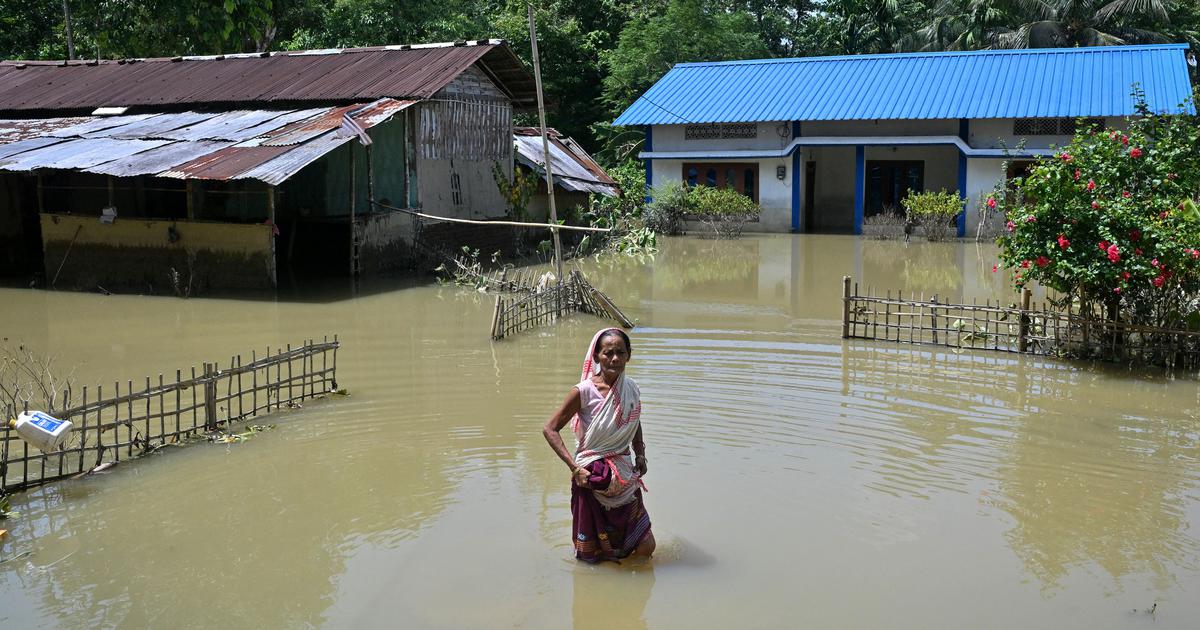
Floods hit Assam every year. But the current cycle has been especially devastating, killing 97 people and displacing more than 12 lakh persons. The waters have wreaked havoc in Upper Assam, particularly in Sivasagar and Charaideo, districts that have rarely seen such intense floods in the past.
Scroll spoke to Mirza Zulfiqur Rahman, a researcher on the Brahmaputra river basin and climate issues in northeastern India, to understand the reasons behind this year’s flooding and what could have been done to prevent it.
Edited excerpts:
Floods happen every year in Assam. But why are the floods in Upper Assam being called unprecedented?
Unprecedented is a convenient term to describe every subsequent flood event, glossing over the core lessons from the past floods in the Assam floodplains. The intensity of the Kaziranga floods in 2020 was similar, but it affected mostly animals and a few human habitations. This time, the floods took place in a highly populated area of Sibsagar, Chairaideo, Jorhat and Golaghat districts, and a lot of people have suffered losses.
The usual refrain is that this is unprecedented, but with the kind of interventions on the river system and the past pattern of floods in Assam, these should no longer be termed as surprising. We need to be...
Read more
What's Your Reaction?
 Like
0
Like
0
 Dislike
0
Dislike
0
 Love
0
Love
0
 Funny
0
Funny
0
 Angry
0
Angry
0
 Sad
0
Sad
0
 Wow
0
Wow
0