
























Why community radio outdoes digital channels in the Uttarakhand Himalaya
Join our WhatsApp Community to receive travel deals, free stays, and special offers!
- Join Now -
Join our WhatsApp Community to receive travel deals, free stays, and special offers!
- Join Now -

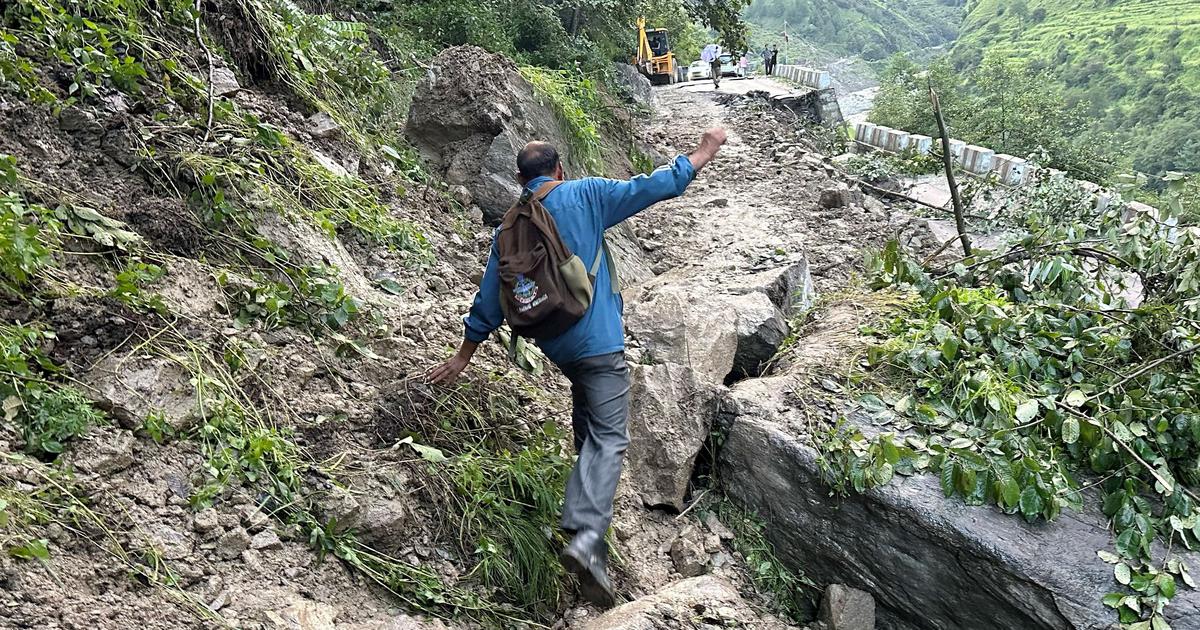
On a monsoon afternoon in Rudraprayag, in the hill state of Uttarakhand, the district administration declares a landslide-blocked mountain road cleared and open to traffic. Manvendra Negi reads the advisory out on Mandakini ki Awaaz, the Garhwali community station he helps run.
Within minutes, the calls begin. One listener says the road is passable for two-wheelers but not for cars; another reports that a bridge downstream is still cracked; a third, from a village higher up, warns that fresh rain has loosened rocks the clearance did not account for. By the end of the program the official message, that the road is open and safe, has been qualified almost out of recognition. What the administration issued as a single fact has become, on air, a working picture the valley can use.
Something ordinary is happening here, but it runs against the grain of how governance is usually pictured; governance meaning the everyday business of how authority reaches people – how a government warns, informs, permits, schedules, and provides.
A great deal of that work is communication, and in India, much of it now takes the form of messages sent outward from the state to the citizen – a cyclone warning, a vaccination date, a road advisory,...
Read more
What's Your Reaction?
 Like
0
 Dislike
0
 Love
0
 Funny
0
 Angry
0
 Sad
0
 Wow
0