


















![Best Budget 5G Smartphone Deal on Flipkart – Ai+ Nova 2 5G with 50MP Camera at ₹11,999 [MRP: ₹13,999]](https://savefree.in/uploads/images/202607/image_870x580_6a63680b64937.webp?#)
![Buy AGARO Rechargeable Deep Tissue Massage Gun for Full Body Pain Relief at Just ₹799 [MRP: ₹2,499]](https://savefree.in/uploads/images/202607/image_870x580_6a636ae3507d9.webp?#)


‘The Tale of Hansuli Turn’: What Tarashankar Bandyopadhyay’s novel says about preserving a river
Join our WhatsApp Community to receive travel deals, free stays, and special offers!
- Join Now -
Join our WhatsApp Community to receive travel deals, free stays, and special offers!
- Join Now -

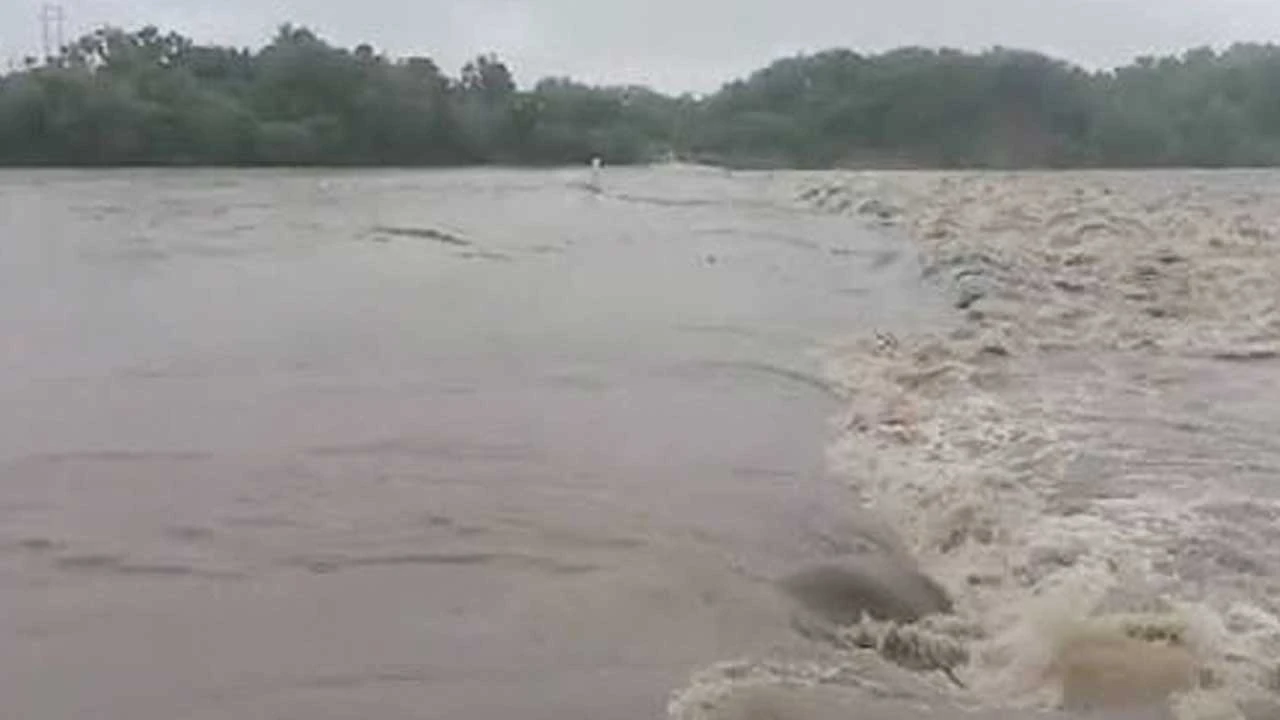
Before the barrages, before the embankments, before the United Nations missions and the billion-dollar loans and the ECNEC approvals – before any of this – there was a sari tied to the roots of a babla tree.
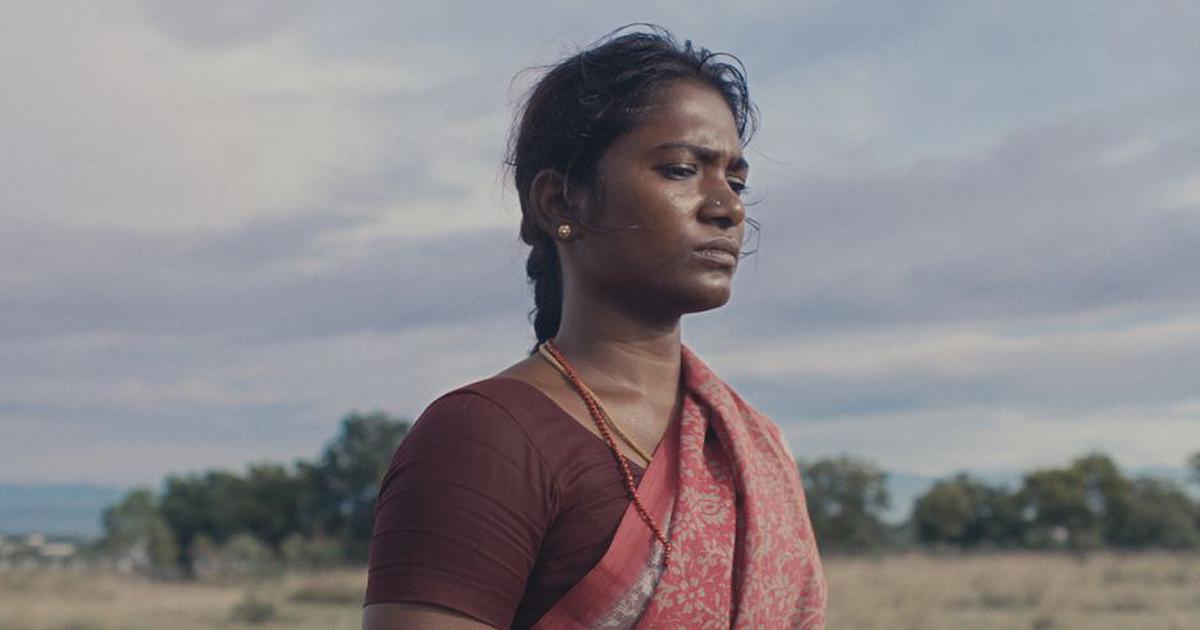
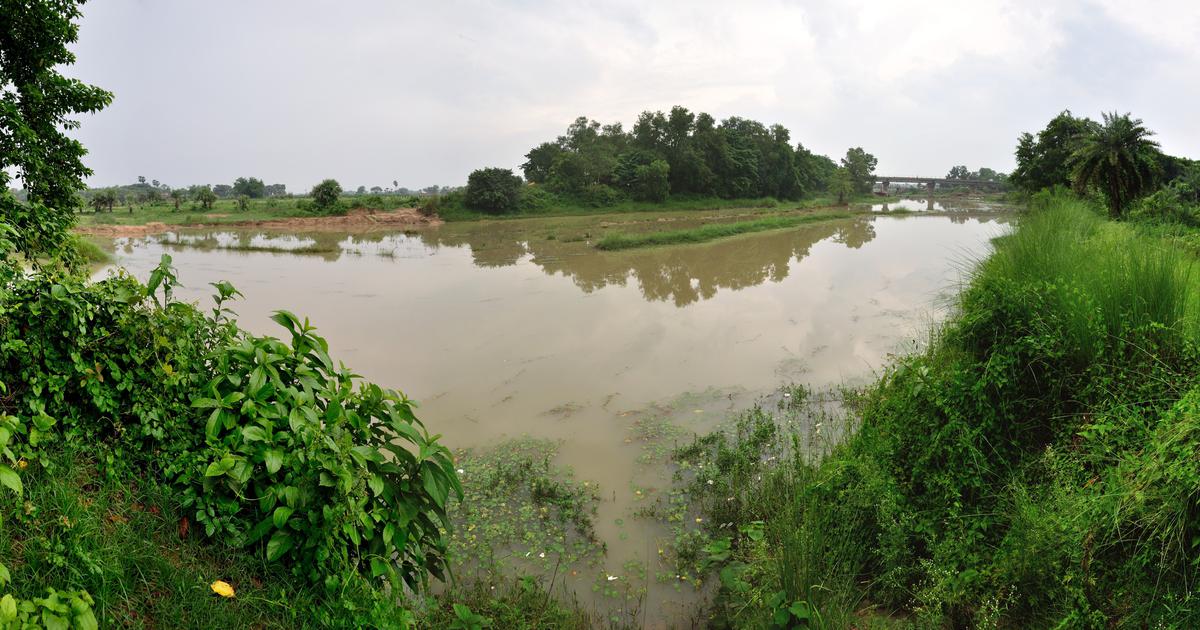
The tree stood at Hansuli Turn, a sharp bend in the Kopai River, in what is now West Bengal’s Birbhum district. The Kahar community, a marginalised group whose traditional livelihood of palanquin-bearing had collapsed under modernity’s advance, lived at this bend. And every year, before the monsoon, the women of the community would tie an old sari around the roots of the babla tree that held the embankment together.
This was not superstition. It was not an empty ritual. It was, in the most precise sense, river management – the kind that understands that an embankment is not merely a pile of earth but a relationship, a covenant between a community and the water that sustains and threatens it.
Tarashankar Bandyopadhyay’s 1947 novel Hansuli Banker Upakatha – translated into English by Ben Conisbee Baer as The Tale of Hansuli Turn – captures this world at the moment of its breaking. It is one of the great river novels of modern Bengal, and it asks a question that has become more urgent with every passing decade: what is...
Read more
What's Your Reaction?
 Like
0
Like
0
 Dislike
0
Dislike
0
 Love
0
Love
0
 Funny
0
Funny
0
 Angry
0
Angry
0
 Sad
0
Sad
0
 Wow
0
Wow
0