
































![Limited-Time HP Laptop - Chromebook 14 MediaTek Kompanio 540 Laptop at Just ₹27,990 [MRP: ₹58,733]](https://savefree.in/uploads/images/202608/image_870x580_6a757c0d3f2a3.webp?#)



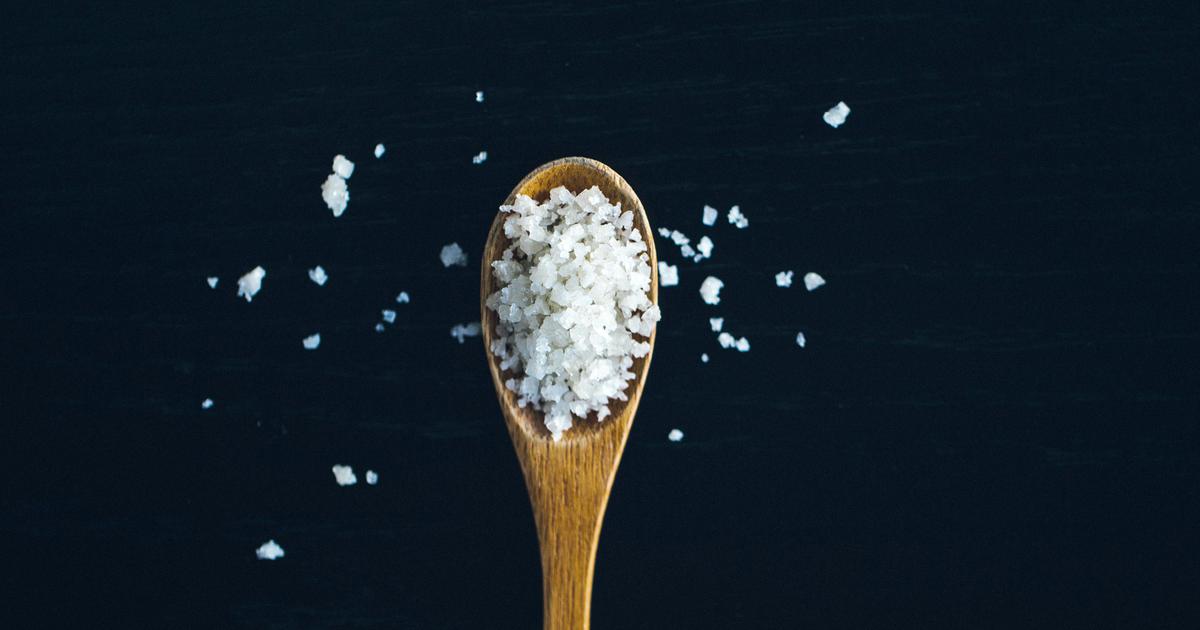
Iodine deficiency is slowly rising again due to dietary preferences, salt intake concerns
Join our WhatsApp Community to receive travel deals, free stays, and special offers!
- Join Now -
Join our WhatsApp Community to receive travel deals, free stays, and special offers!
- Join Now -

Iodine deficiency is often seen as a problem of the past, but this isn’t entirely true. During the 20th century, the iodisation of salt became one of the most effective public health interventions for preventing conditions caused by a lack of this mineral, including goiter (enlargement of the thyroid gland) and preventable damage to neurological development.
The World Health Organization (WHO) still views iodised salt as a safe and effective strategy, while UNICEF notes that it is the most widely used way of improving iodine intake worldwide.
However, the success of this simple measure means iodine has all but disappeared from public debate. And today, in several countries, signs of insufficient intake are once again being detected in certain groups, particularly in pregnant or breastfeeding women and people on restrictive or poorly planned diets.
What we are witnessing is not a dramatic resurgence of the most severe symptoms everywhere, but rather a silent risk of deficiency in contexts where vigilance has waned.
Iodine’s role in the body
Iodine is an essential micronutrient for the synthesis of thyroxine (T4) and triiodothyronine (T3), hormones that regulate metabolism, growth, and many physiological processes. Adequate intake during pregnancy and early childhood is particularly important for the normal development of the central nervous system and for the early stages of brain maturation.
In addition, the body’s needs increase during...
Read more
What's Your Reaction?
 Like
0
Like
0
 Dislike
0
Dislike
0
 Love
0
Love
0
 Funny
0
Funny
0
 Angry
0
Angry
0
 Sad
0
Sad
0
 Wow
0
Wow
0