








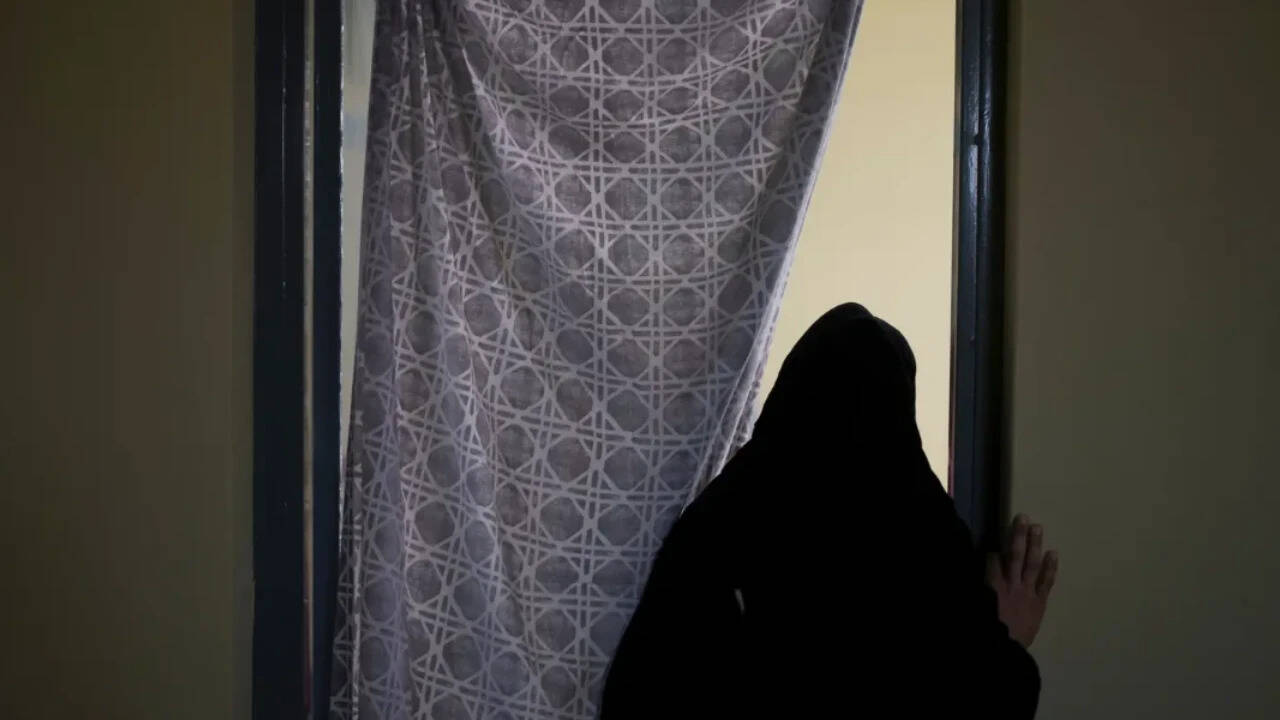


























In France, Marine Le Pen’s demand for hijab ban is legally flawed and at odds with secularism

Join our WhatsApp Community to receive travel deals, free stays, and special offers!
- Join Now -
Join our WhatsApp Community to receive travel deals, free stays, and special offers!
- Join Now -

The ban on Islamic headscarves in public spaces in France – particularly on the street – is a proposal put forward by the Rassemblement national party led by Marine Le Pen that resurfaces with every presidential election.
The idea of restricting Muslim women’s freedom to wear religious symbols of their choice is, however, not new: successive bans on hijabs in schools, full-face veils in public spaces, burkinis on beaches or headscarves being worn by accompanying mothers on school trips or during sporting events, and even a ban extending to abaya robes in schools. These proposals have come thick and fast, and have sometimes been successful.
The central issue on each occasion – and which emerges even more clearly this time round – is the legal grounds on which the proposals are founded. Restricting a fundamental freedom in a state governed by the rule of law does indeed require a legal basis, that is to say, justification. Is this the case?
Secularism and religious neutrality
Unlike other proposals for legislation banning headscarves in certain contexts, the ban in public spaces does not claim to be based on the principle of secularism. The latter, in fact, requires respect for all beliefs, the equality of all citizens regardless of religion, and the freedom to profess and practise a...
Read more
What's Your Reaction?
 Like
0
Like
0
 Dislike
0
Dislike
0
 Love
0
Love
0
 Funny
0
Funny
0
 Angry
0
Angry
0
 Sad
0
Sad
0
 Wow
0
Wow
0