




![Kitchen And Home Essentials Combo at Only ₹2,199 [MRP: ₹4,999]](https://savefree.in/uploads/images/202606/image_870x580_6a3238e98bcff.webp?#)
![Upgrade to the Powerful Realme P4R 5G Smartphone – Now Just ₹18,999 [MRP: ₹25,999]](https://savefree.in/uploads/images/202606/image_870x580_6a323a03b177d.webp?#)


How Indian cartoonists depicted Bangladesh’s 1971 Liberation War
Join our WhatsApp Community to receive travel deals, free stays, and special offers!
- Join Now -
Join our WhatsApp Community to receive travel deals, free stays, and special offers!
- Join Now -

The Bangladesh Liberation War of 1971, one of the most politically significant events in the history of the subcontinent, generated an extraordinary volume of documentation – official records, journalistic reports, memoirs, novels, plays and songs.
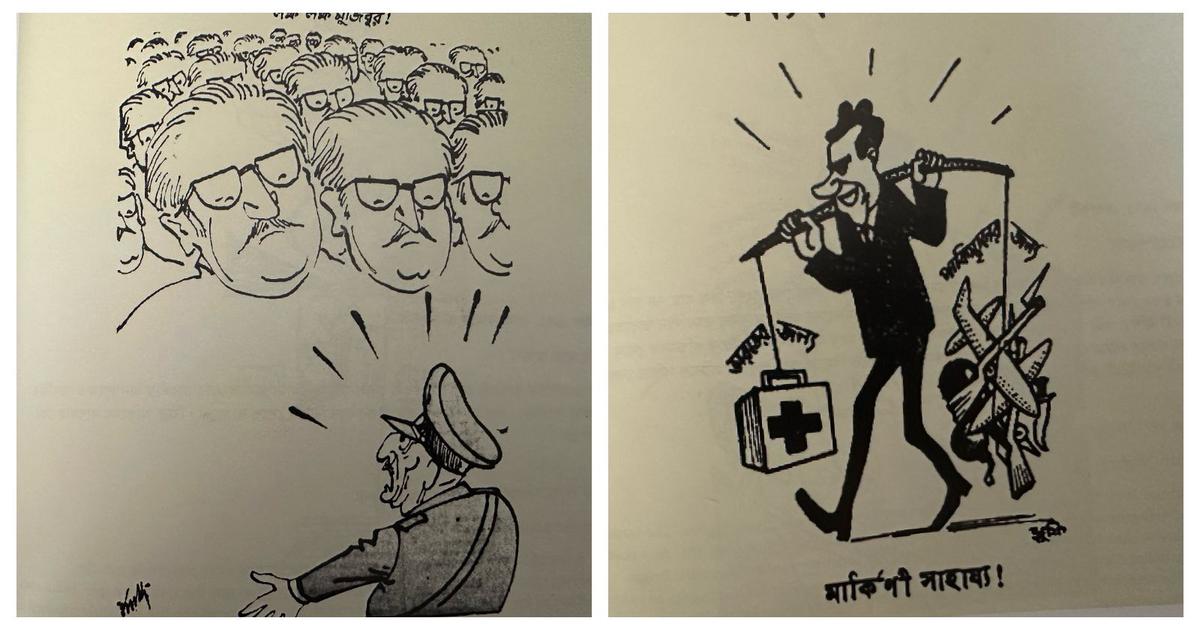
It also inspired political cartoons, which recorded and interpreted events, often with a sharpness that conventional reportage could not match. Political cartoons are, in a sense, journalism distilled – compressed arguments rendered in ink and wit. In moments of crisis or upheaval, their capacity to condense irony and moral clarity becomes even more pronounced.
Indian newspapers such as Anandabazar Patrika, Jugantar, Desh, Darpan, Amritabazar Patrika, The Statesman and Hindustan Standard published cartoons about the situation across the border with remarkable regularity throughout 1971, creating a parallel narrative alongside the headlines.
The artists behind these images – Amal Chakraborty, Chandi Lahiri, Sufi (Naren Roy), Kutty (PKS Kutty), Sudhir Dar, Rebati Bhushan, Abu, Lakshan, and others – formed a loose but formidable fraternity. Their works appeared not only in Bengali-language newspapers but also in English dailies, extending their reach across India and, in some cases, beyond.
This sustained visual discourse tracked the evolution of the war with remarkable sensitivity. 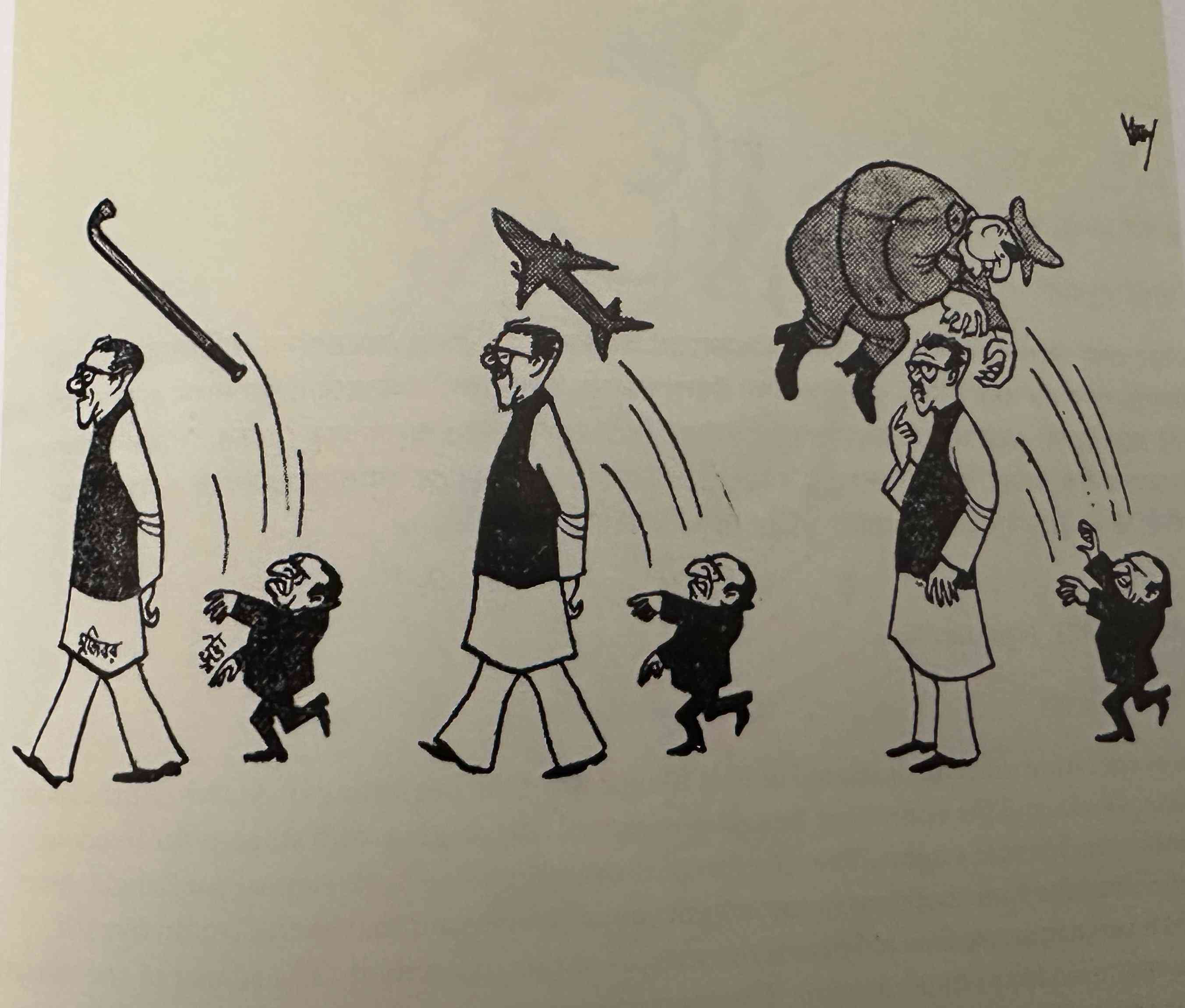
Changing tones of cartoons
Cartoons, by their nature, do not simply describe events: they select, exaggerate and reframe, producing a version of...
Read more
What's Your Reaction?
 Like
0
Like
0
 Dislike
0
Dislike
0
 Love
0
Love
0
 Funny
0
Funny
0
 Angry
0
Angry
0
 Sad
0
Sad
0
 Wow
0
Wow
0