







































‘Gulliver’s Travels’ at 300: A satire of the Anglo‑Irish and the folly of allegiance to empire
Join our WhatsApp Community to receive travel deals, free stays, and special offers!
- Join Now -
Join our WhatsApp Community to receive travel deals, free stays, and special offers!
- Join Now -

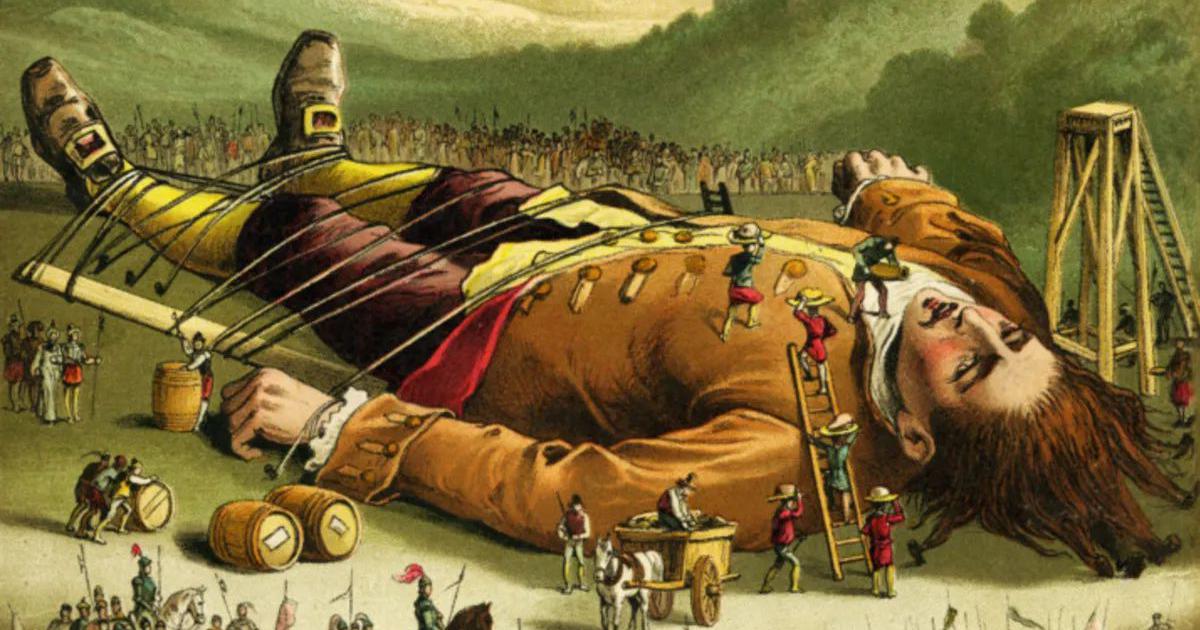
Gulliver’s Travels, first published on October 28, 1726, is a masterpiece of satire that continues to have the power to provoke, to amuse, and to shock. Most readers familiar with it will know that its author, Jonathan Swift, was not only Irish-born but was Dean of St Patrick’s Cathedral in Dublin when he wrote what is unquestionably his greatest work.
What they may not know, however, is that the text is shaped in fundamental ways by Swift’s experience as a member of Ireland’s Protestant elite.
This group was a minority whose identity was constructed on the assumption that they were to bring order and civilisation to a wild and benighted country. They believed they would “improve” Ireland through their superior grasp of reason and their cultivated manner of living.
The ‘civilising’ mission
This civilising mission was from the start complicated by the irreconcilable contradictions for Ireland’s Protestants, who originally described themselves as “the English people of Ireland”. They believed their role was to represent and model a superior culture to the inhabitants of Ireland. But, as they discovered, living in Ireland meant accepting that they were in fact considered inferior themselves. As Swift’s contemporary William Molyneux acutely observed:
“If the English in Ireland be treated as Englishmen, they will be Englishmen still in their hearts and...
Read more
What's Your Reaction?
 Like
0
 Dislike
0
 Love
0
 Funny
0
 Angry
0
 Sad
0
 Wow
0