








































Food history: How America (and the world) developed a taste for hot sauce and ‘spicy’ sweets
Join our WhatsApp Community to receive travel deals, free stays, and special offers!
- Join Now -
Join our WhatsApp Community to receive travel deals, free stays, and special offers!
- Join Now -

Repugnant hot sauce names like Dr Assburn’s Fire-Roasted Habanero Pepper Sauce, Professor Phardtpounder’s Colon Cleaner! and Screaming Sphincter Cayenne Sauce do little to dissuade critics about what kind of person prefers excess spice. Reaper Squeezins is made with a pepper called Carolina Reaper, created by the self-proclaimed mad scientist, “Smokin” Ed Currie, while crossing sweet habanero and naga viper chillies; with 1,569,300 shu, this is the world’s hottest (as of February 2015). Other sauces like “Satan’s Blood”, “Liquid Lucifer”, or “Hell Devil’s Revenge,” warn of the eschatonic fate of those who deign to eat it. Un-Christian though they may sound, these sauce names aren’t meant to draw a mainstream crowd. Quite the opposite. Like the red and black ventrum of a fire-belly toad, they are a warning to the hapless and a beacon to the like-minded.
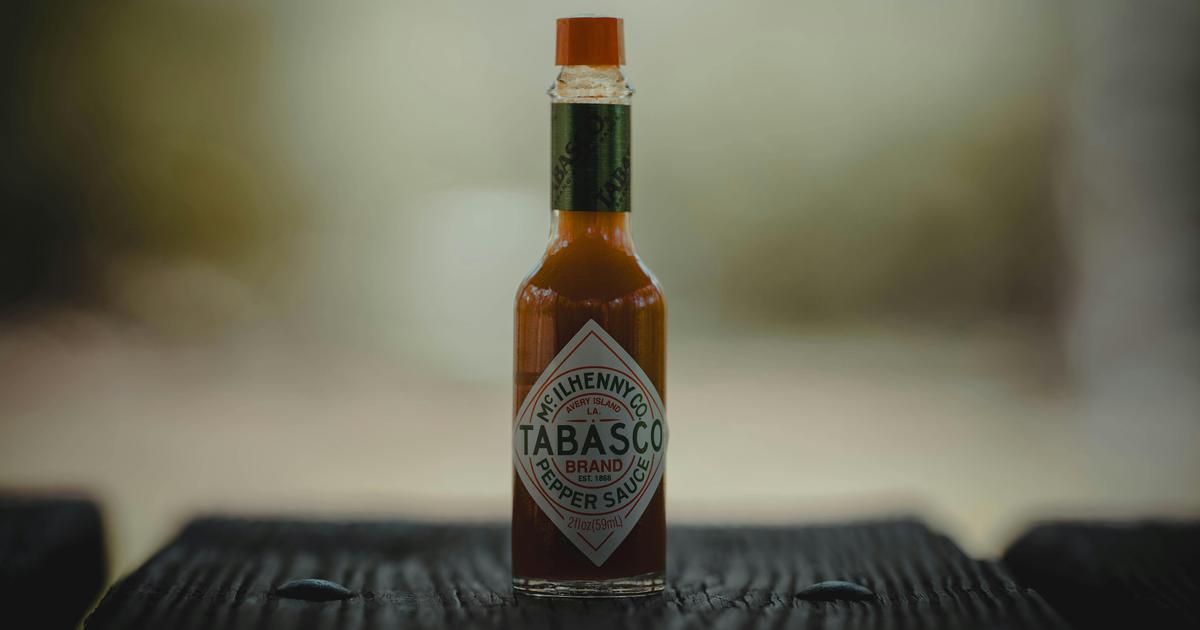
Most people, however, are content with eating foods sauced with something milder than a million Scovilles. By the time upper-class diners were raising an eyebrow about precisely how much chilli polite society should reasonably consume, Tabasco-brand sauce (2,500–5,000 shu) had already been in production for three decades. In the American South, a dash of Tabasco sauce was all that was needed to spice up a...
Read more
What's Your Reaction?
 Like
0
Like
0
 Dislike
0
Dislike
0
 Love
0
Love
0
 Funny
0
Funny
0
 Angry
0
Angry
0
 Sad
0
Sad
0
 Wow
0
Wow
0