




































Cotton too costly, Delhi’s poorer residents can only afford stifling synthetic fibres
Join our WhatsApp Community to receive travel deals, free stays, and special offers!
- Join Now -
Join our WhatsApp Community to receive travel deals, free stays, and special offers!
- Join Now -

Inside the narrow lanes of Shahbad Dairy, a suburb outside north-west Delhi, is a concrete maze of houses packed tightly together. Trees are scarce. A breeze is hardly able to pass through these cramped and unventilated alleys, and by afternoon, the heat is oppressive and inescapable.
Poonam and her sister-in-law Ritika, who live next door to each other, ask their kids not to play outdoors under the hot sun. But though the temperature outside is 40 degrees celsius, it feels a lot hotter indoors. The tin and concrete roofs of their houses trap heat. With no windows, there is barely any ventilation.
Had they been men, Poonam and Ritika could have changed into shorter or looser clothing. Instead, tradition dictates that they cover their bodies in multiple layers.
“This material makes you sweat more. It does not absorb sweat,” says Poonam, gesturing towards her salwar kameez and dupatta made of synthetic textiles. This forms a three-piece ensemble consisting of a long tunic, ankle-length trousers and a scarf – the dupatta – draped around the shoulders, neck and sometimes over the head.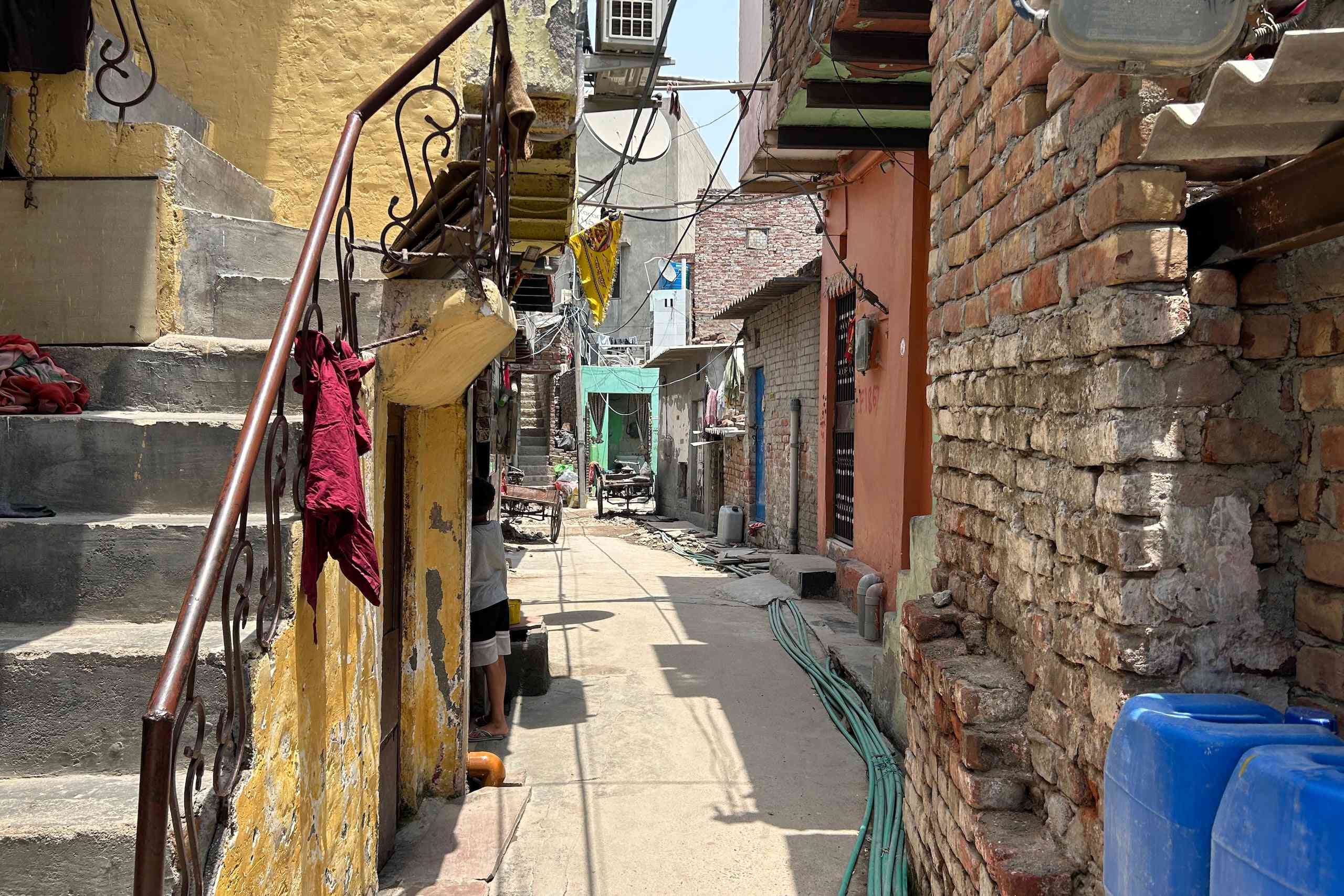
As heatwaves become more frequent and intense, experts Dialogue Earth spoke to say wearing natural fabrics like cotton and linen is emerging as a form of heat adaptation. But for...
Read more
What's Your Reaction?
 Like
0
Like
0
 Dislike
0
Dislike
0
 Love
0
Love
0
 Funny
0
Funny
0
 Angry
0
Angry
0
 Sad
0
Sad
0
 Wow
0
Wow
0







![Cruise 2 Ton 3 Star Inverter Split AC – Now Only ₹38,490 [MRP: ₹64,900] on Amazon!](https://savefree.in/uploads/images/202607/image_870x580_6a6870eb6880c.webp?#)