





































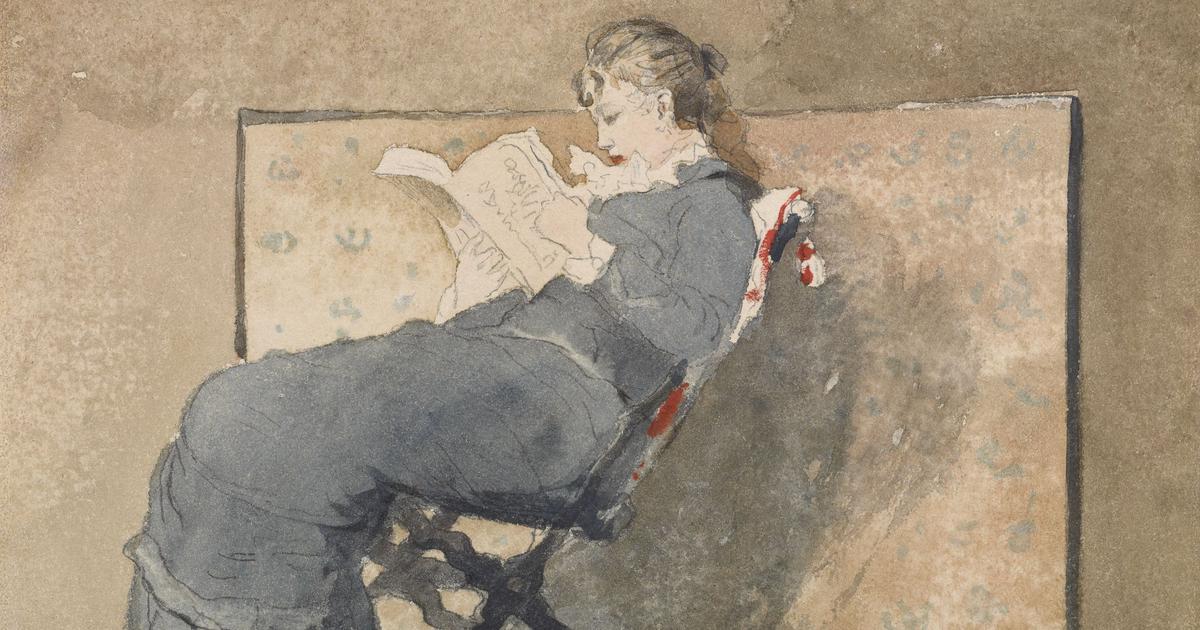
Can intense interiority in a book leave the reader thoroughly alienated from the narrator’s life?
Join our WhatsApp Community to receive travel deals, free stays, and special offers!
- Join Now -
Join our WhatsApp Community to receive travel deals, free stays, and special offers!
- Join Now -

This summer I picked up my friend’s half-read copy of Eula Biss’ Having and Being Had and read a hundred pages curled up on his sofa. I did not particularly find it relatable – she is an essayist and educator living in a palatial house in Chicago, and the book is mostly about her own complicated relationship with owning a house and the material reality that emerges from it. But I was hooked.
After that I read Rachel Cusk’s Outline and Annie Ernaux’s Exteriors in quick succession. The books don’t have much in common; they are not all memoirs, and some resemble the literary style of a confessional. But they all wanted me to see the author as someone with a voice, an opinion, a style, a vision. The structural nature of these books reminded me of a conversation with an acquaintance – I could step into their world for a bit, but I could never really immerse myself. Ultimately it was the inevitable solipsism of their world, where there was no respite from their mind – everything existed in the world that solely belonged to them. Solipsistic writing makes interiority a structural necessity, but at the same time leaves you alienated as a reader.
The interior...
Read more
What's Your Reaction?
 Like
0
Like
0
 Dislike
0
Dislike
0
 Love
0
Love
0
 Funny
0
Funny
0
 Angry
0
Angry
0
 Sad
0
Sad
0
 Wow
0
Wow
0