


































Why the wave of protests sweeping Europe is unlike the mass mobilisation in 1968
Join our WhatsApp Community to receive travel deals, free stays, and special offers!
- Join Now -
Join our WhatsApp Community to receive travel deals, free stays, and special offers!
- Join Now -

Spain’s November 11 general strike, called in response to a housing crisis, stagnant wages and rising living costs, is part of a much wider European story. Student-led protests in countries across the continent have spread from schools and universities into broad alliances with trade unions and housing campaigners.
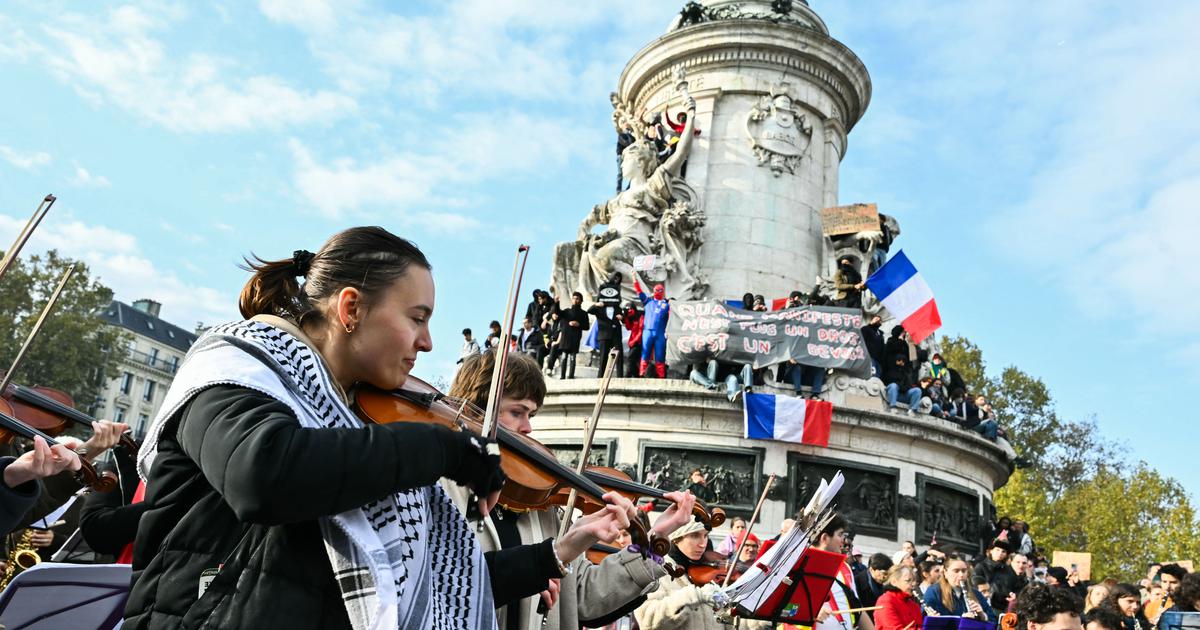
France has seen large-scale unrest, initially linked to conditions in schools. German pupils have mobilised against conscription, thousands have marched in Greece over public education failures, and Serbia’s student protest movement has reshaped its national politics.
The obvious historical parallel is 1968. Then, as now, European student protests spread beyond campuses, crossed borders and drew workers into mass mobilisation. Politicians warned of social breakdown.
This comparison is not wrong. But focusing only on the similarities risks missing an important distinction between the two moments: that the grievances of the protesters are fundamentally different.
The 1968 generation was the first to pass through mass higher education in a period of full employment. It rebelled against paternalism – rigid universities, deference and a stifling culture. One prominent slogan during these protests, “Il est interdit d’interdire!” (It is forbidden to forbid!), was a demand for more freedom from people comfortable enough to want it.
The 2026 grievances are almost the reverse. French pupils describe classrooms with rats, extreme temperatures and no...
Read more
What's Your Reaction?
 Like
0
 Dislike
0
 Love
0
 Funny
0
 Angry
0
 Sad
0
 Wow
0