



















Bring It on Home: How Bob Dylan reshaped popular music in Eastern India
Join our WhatsApp Community to receive travel deals, free stays, and special offers!
- Join Now -
Join our WhatsApp Community to receive travel deals, free stays, and special offers!
- Join Now -

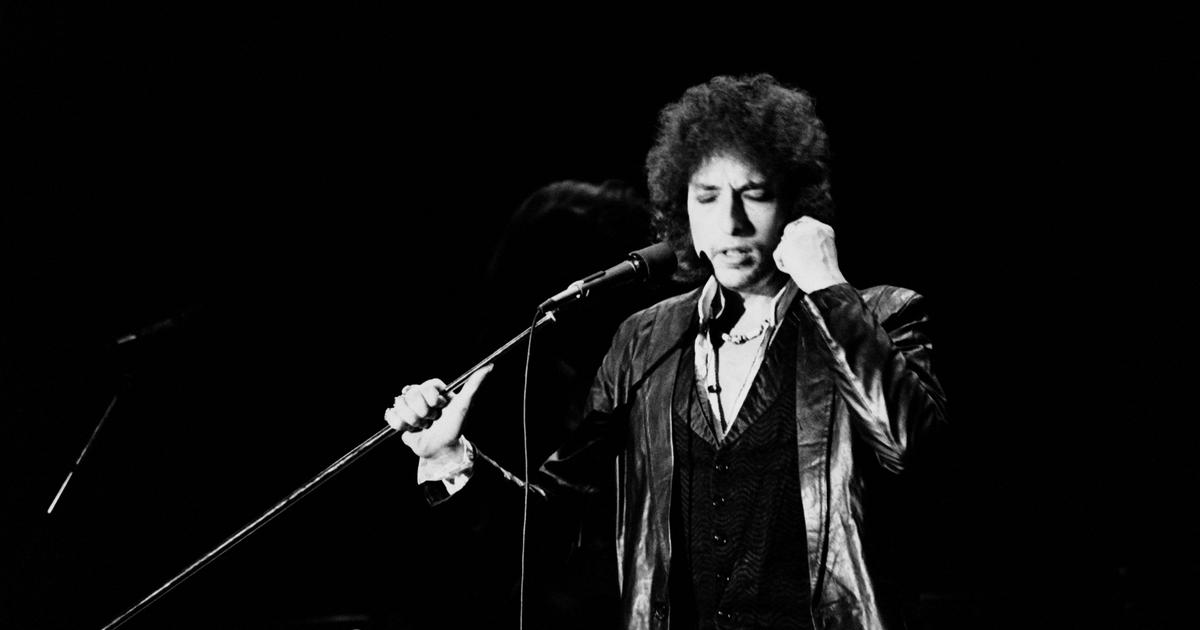
In July 1965, Bob Dylan famously went electric at the Newport Folk Festival. As he launched into fiercely amped-up versions of Maggie’s Farm and Like A Rolling Stone, the audience and his mentors were enraged. They had grown accustomed to a “poster-boy of folk music” who stood alone on stage with an acoustic guitar and a harmonica strapped around his neck. “I was so mad I said ‘damn if I had an axe I’d cut the cable,” the festival’s co-founder Pete Seeger famously said.
This act of sonic transgression involved more than just turning up the volume. That day, the 24-year-old Dylan had established a permanent template for artistic iconoclasm.
As he turns 85 on May 24, Dylan’s refusal to surrender to a state of static definition continues to inspire musicians around the world – especially intensely in eastern India.
For more than six decades, the American icon has constantly reshaped Bengali and North Eastern popular music, breaking down the barriers between song and literature, protest and poetry, modernity and postmodern freedom.
The chain reaction connecting the countercultural epicentre of 1960s America to the red soil of West Bengal was neither accidental nor unidirectional; it was forged through a series of intimate, transcontinental encounters six decades ago.
In 1962, the Beat poet Allen Ginsberg visited Calcutta and, through Bengal’s “Hungryalist” poets...
Read more
What's Your Reaction?
 Like
0
Like
0
 Dislike
0
Dislike
0
 Love
0
Love
0
 Funny
0
Funny
0
 Angry
0
Angry
0
 Sad
0
Sad
0
 Wow
0
Wow
0