













![Apple iPhone 17 Pro A19 Chip Smartphone Deal | Premium 256GB Variant Only ₹1,32,900 [MRP: ₹1,34,900]](https://savefree.in/uploads/images/202608/image_870x580_6a706dc463335.webp?#)

Bali’s fishing canoes are vanishing as tourism changes Indonesia’s coastline
Join our WhatsApp Community to receive travel deals, free stays, and special offers!
- Join Now -
Join our WhatsApp Community to receive travel deals, free stays, and special offers!
- Join Now -

Five decades ago, Bali’s coastline was adorned with traditional fishing canoes with colourful carvings of mythical elephant-fish. Where did they go?
The disappearance of these canoes tells a much bigger story about how tourism, collecting and coastal change are reshaping Indonesia’s living maritime heritage – and why preserving these traditions matters.
The boats that once lined Bali’s beaches
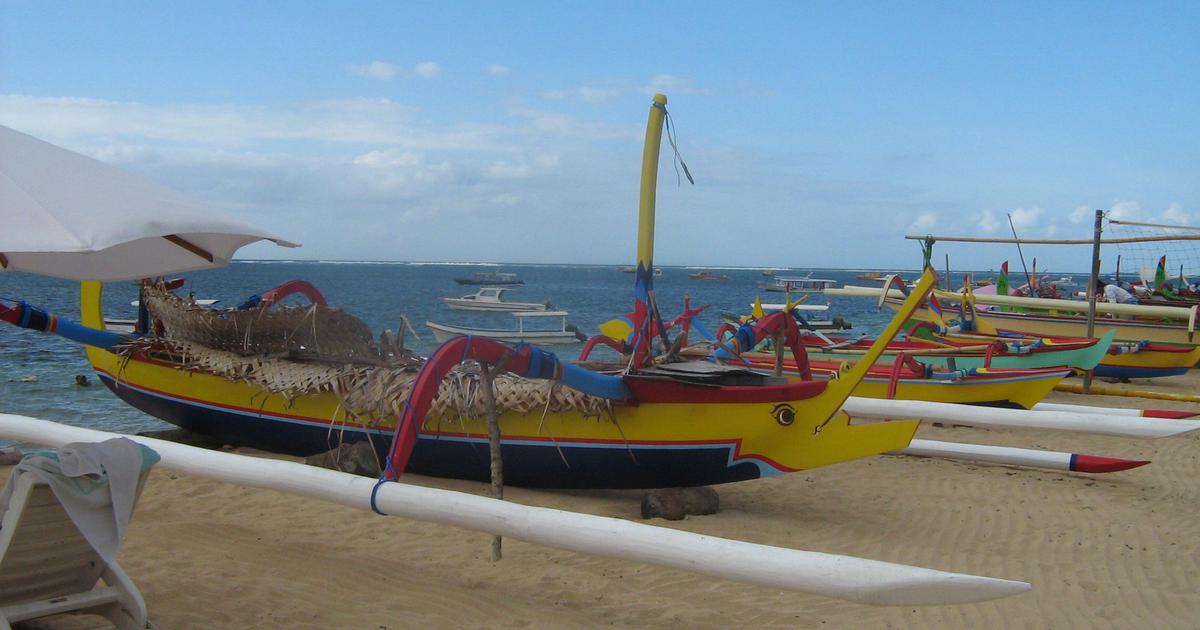
Before Bali became one of the worlds’ most popular tourist destinations, fishing villages lined the beaches of Benoa, Nusa Dua and Sanur, along the island’s southern coast.
Generations of fishers built and sailed jukung pelasan – traditional timber double-outrigger sailing canoes with colourful carved gajah mina (elephant-fish) prows.
The gajah mina is a creature in Balinese Hindu tradition with the head of an elephant and the body of a fish. Symbolising unity and harmony between land and sea, it is said to protect crews during voyages and provide safe passage.
These were not just fishing boats; they were central to daily life in southern Bali.
The jukung were symbols of status and community identity. They embodied generations of craftsmanship, spiritual belief and maritime knowledge. They expressed the economic, social and spiritual life of Bali’s coastal communities, and reflected the enduring relationship between its people and the sea.
Today, however, only a handful remain.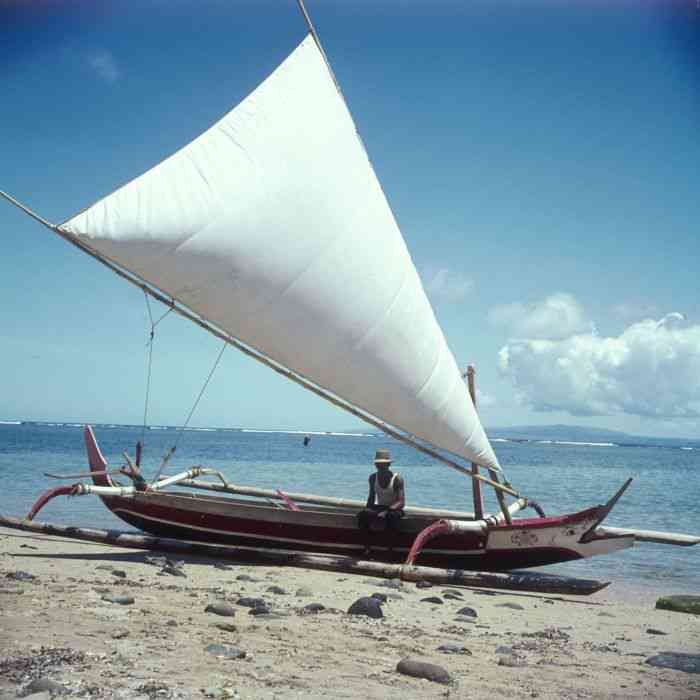
My latest research, published in the International Journal of Nautical Archaeology, found only six intact...
Read more
What's Your Reaction?
 Like
0
Like
0
 Dislike
0
Dislike
0
 Love
0
Love
0
 Funny
0
Funny
0
 Angry
0
Angry
0
 Sad
0
Sad
0
 Wow
0
Wow
0