






























As Tibetan plateau turns into a cascading danger, China’s control complicates cooperation on safety
Join our WhatsApp Community to receive travel deals, free stays, and special offers!
- Join Now -
Join our WhatsApp Community to receive travel deals, free stays, and special offers!
- Join Now -

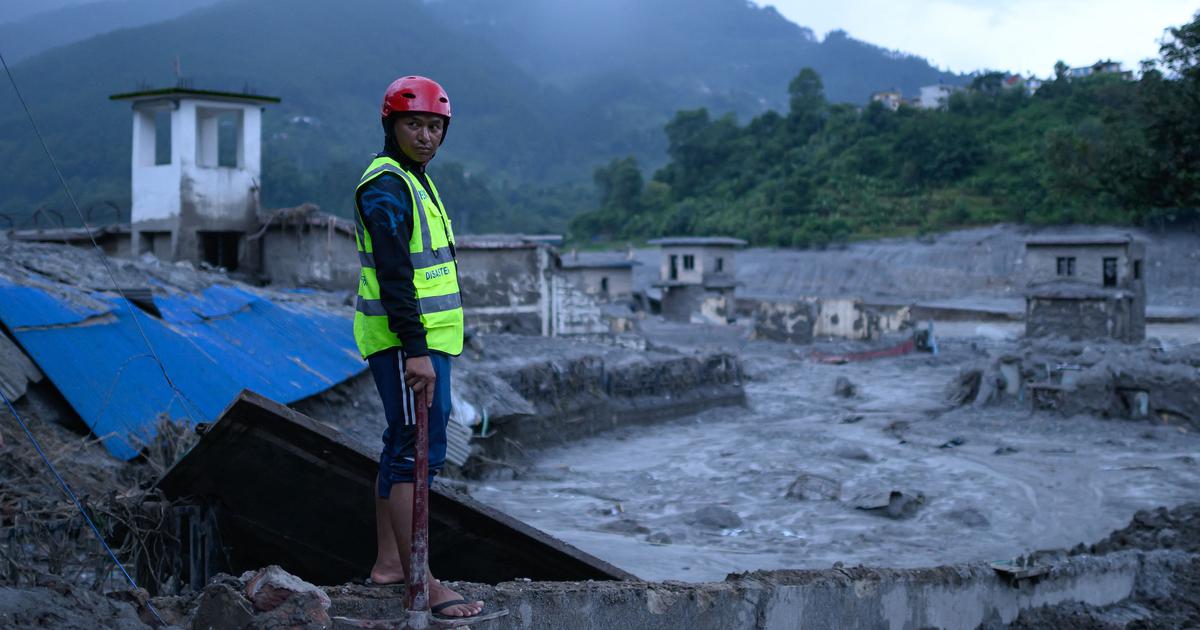
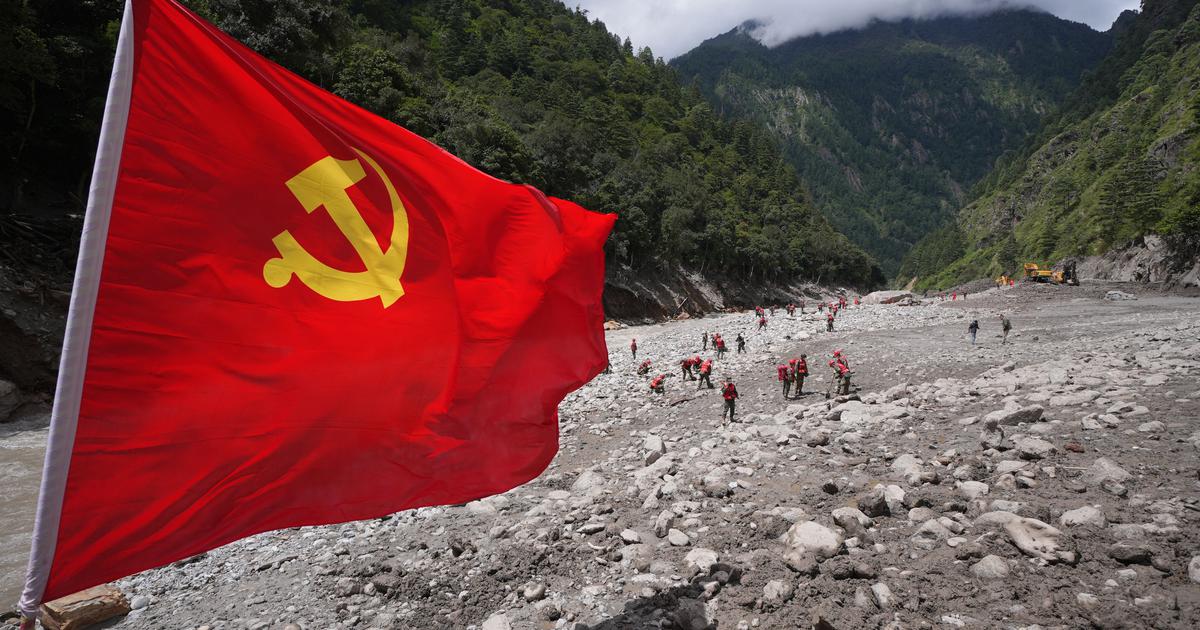
Within the space of a few minutes on August 26, the border crossing between Nepal and China – Rasuwagadhi on the Nepali side and Gyirong on the Chinese – was destroyed by a flash flood caused by a collapsed glacier. Villages, bridges and roads on both sides of the border were washed away.
Hundreds are dead and many more missing, including tourists and pilgrims. The full toll will not be known for days as the worst-hit areas are hard to reach. In the case of Tibet, given the history of China’s draconian control over information, the true toll may never be known.
Already impoverished, Nepal faces grave challenges of rebuilding once the relief effort is over. This is the first real test for the government that took power in March after a successful gen Z revolution swept away the traditional parties.
Prime Minister Balen Shah’s government has tried to avoid becoming dependent on either large neighbour, China or India, or trapped in their rivalry. It has asserted some strategic autonomy by dealing with New Delhi, Beijing and Washington on an even footing.
The fact that Nepal’s neighbour is Tibet, a previously self-governing region that China took over by force between 1950 and 1951 and has administered ever since, makes flooding in this border region harder to prepare for.
A militarised frontier
Despite warm relations...
Read more
What's Your Reaction?
 Like
0
Like
0
 Dislike
0
Dislike
0
 Love
0
Love
0
 Funny
0
Funny
0
 Angry
0
Angry
0
 Sad
0
Sad
0
 Wow
0
Wow
0





![Cruise 2 Ton 3 Star Inverter Split AC – Now Only ₹38,490 [MRP: ₹64,900] on Amazon!](https://savefree.in/uploads/images/202607/image_870x580_6a6870eb6880c.webp?#)