


































Why Sri Lanka has been unable to transform itself into a maritime hub despite its strategic location
Join our WhatsApp Community to receive travel deals, free stays, and special offers!
- Join Now -
Join our WhatsApp Community to receive travel deals, free stays, and special offers!
- Join Now -

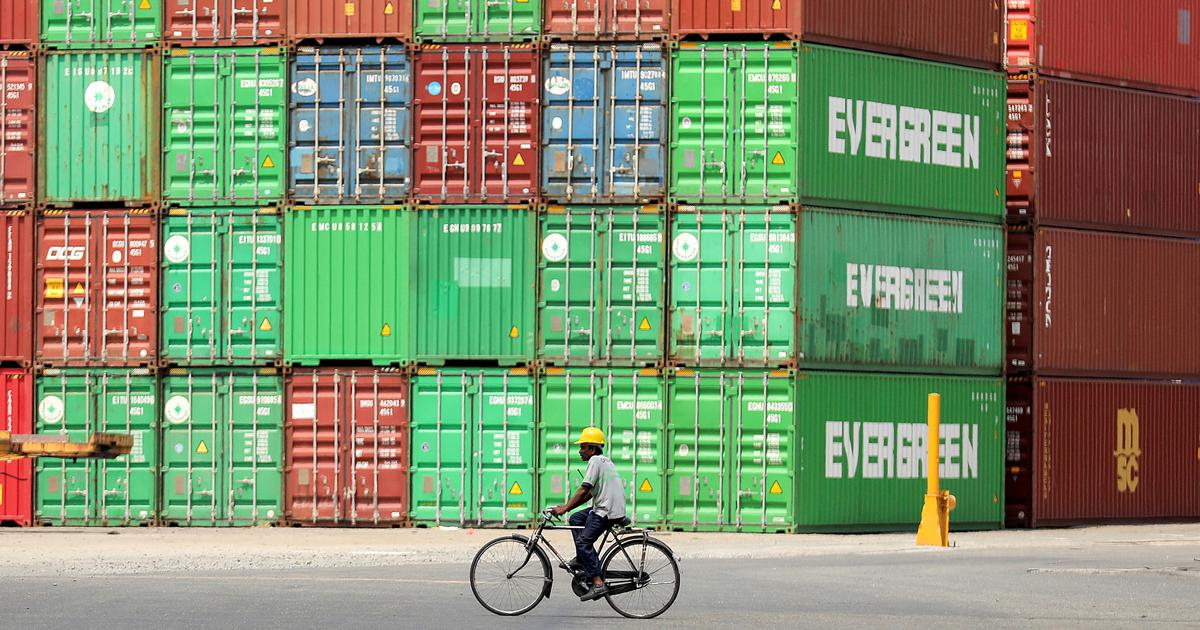
Situated at the cusp of the world’s busiest shipping lanes, barely a degree north of the equator, Sri Lanka has a geographical location that port planners pay fortunes for.
Yet for all the strategic plans drawn up over the past three decades, the island has progressed little beyond its role as a transshipment port – more than 80% of the cargo on ships docked in Sri Lanka is never unloaded here, but transshipped onward.
Most of this cargo is bound for Indian ports, through terminals run by Sri Lanka’s state-owned Ports Authority, the China Merchants-backed Colombo International Container Terminals, and India’s Adani Group-linked Colombo West International Terminal.
Stalled deal
Efforts to change this situation include a 2019 trilateral India-Japan-Sri Lanka agreement to develop Colombo’s East Container Terminal, scrapped in 2021 under pressure from trade unions.
For all its facilities, Sri Lanka remains far from being a true logistics hub, where goods are stored, consolidated, processed, and redistributed. This is partly due to project timelines being repeatedly pushed back – the stalled East Container Terminal deal being the most prominent example.
In contrast, rival ports in the neighbourhood, from India’s newly commissioned Vizhinjam International Seaport to Dubai’s Jebel Ali and Singapore, sharpen their ambitions.
The asymmetry was on full display at a business roundtable in Colombo hosted by the...
Read more
What's Your Reaction?
 Like
0
Like
0
 Dislike
0
Dislike
0
 Love
0
Love
0
 Funny
0
Funny
0
 Angry
0
Angry
0
 Sad
0
Sad
0
 Wow
0
Wow
0