

























Why India resisted the Caribbean diaspora’s attempts to return home
Join our WhatsApp Community to receive travel deals, free stays, and special offers!
- Join Now -
Join our WhatsApp Community to receive travel deals, free stays, and special offers!
- Join Now -

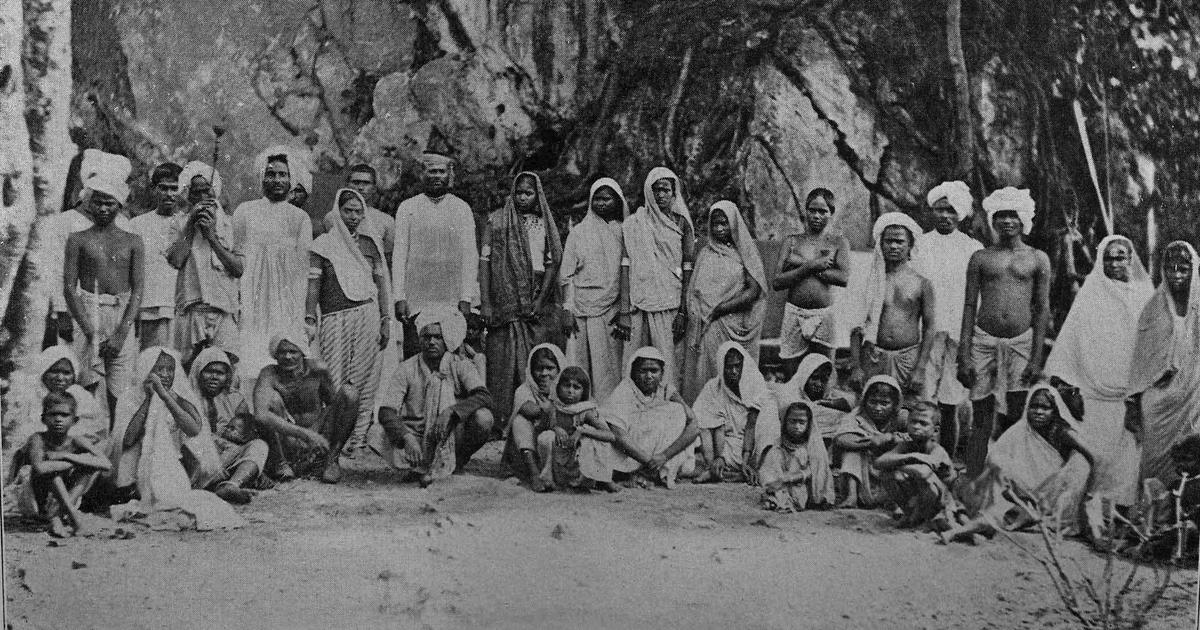
Almost as soon as Anand Mohan Sahay took charge as India’s commissioner in the British colony of Trinidad in 1950, he began receiving Indian-origin visitors seeking repatriation to India. They were either former indentured labourers or their descendants.
“Some of them are persons of moderately independent means and propose to set up some small trade to maintain themselves for the rest of their lives in India,” Sahay wrote in a December 1950 letter to Foreign Secretary Subimal Dutt. He added that, in some cases, younger, well-off people were willing to financially support parents who wished to die in the land of their birth.
After the indentured labour system was abolished in the Caribbean in 1917, some Indians decided to move to India, while the majority remained in the West Indies. By the time India attained independence in 1947, Trinidad and British Guiana (now Guyana) had more than 3 lakh people of Indian origin. In the late 1940s and early 1950s, Indians in the Caribbean loosely organised a “Back to India” movement, appealing to both the British colonial authorities and the Indian government.
When the colonial authorities in the West Indies, who had established a repatriation fund to cover one-way passages, offered to sponsor the return of people of...
Read more
What's Your Reaction?
 Like
0
Like
0
 Dislike
0
Dislike
0
 Love
0
Love
0
 Funny
0
Funny
0
 Angry
0
Angry
0
 Sad
0
Sad
0
 Wow
0
Wow
0