






































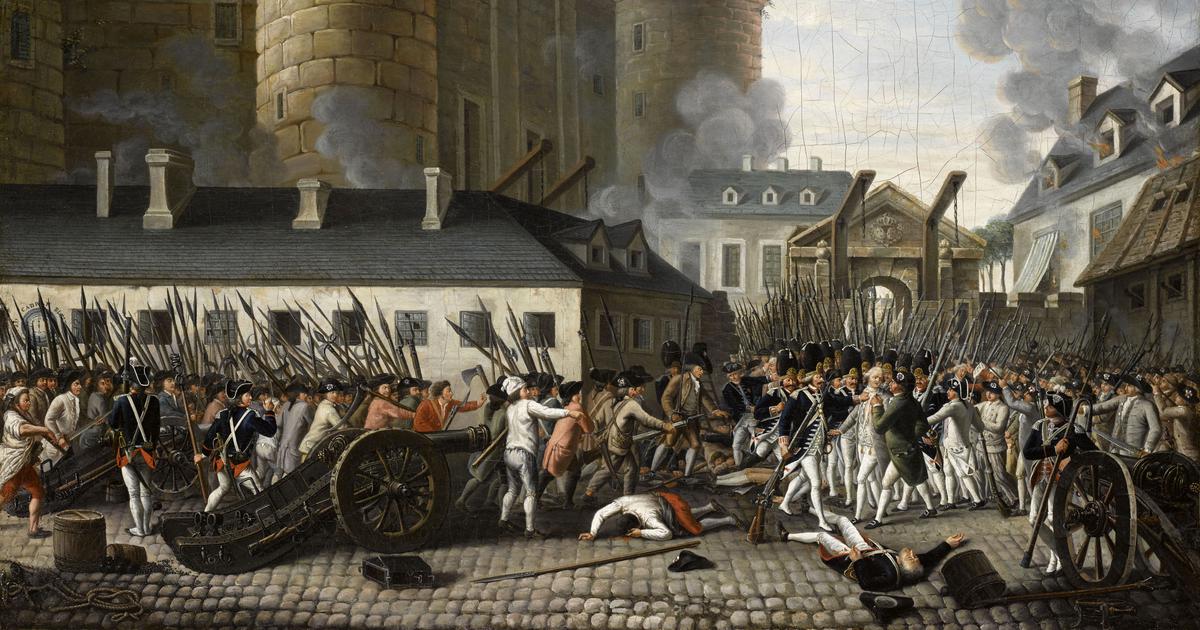
Using history and the present, a new book argues that Enlightenment ideals are not universal
Join our WhatsApp Community to receive travel deals, free stays, and special offers!
- Join Now -
Join our WhatsApp Community to receive travel deals, free stays, and special offers!
- Join Now -

When one considers the contradictions between the Enlightenment’s stated ideals and their practical implementation, for example, if we take the case of the American Revolution, which was one of the earliest implementations of the movement inspired by Enlightenment principles such as liberty, equality, and natural rights, and note that it coexisted with chattel slavery, we find that the Enlightenment ideals functioned as an ideological framework that could also coexist with, without any disturbance in its coexistence with a profoundly unequal and racialised society. Enslaved individuals could be, without needing an extraordinary example or explanation, constitutionally counted as three-fifths of a person for purposes of representation.
The US Constitution is an early, large-scale application of Enlightenment ideals that, at the same time, reveals the racially restricted claim to universality. Solomon Northup’s Twelve Years a Slave is a well-noted critique of the inconsistency of American democracy, particularly the coexistence of constitutional freedom and institutionalised slavery.
Northup, born a free Black man, who was enslaved and then later freed through legal intervention, appealed to reason and human dignity, and challenged, early on, the point being made here – that in the superficial universality of Enlightenment ideals within a racial order, Black or, by extension, coloured lives were expendable....
Read more
What's Your Reaction?
 Like
0
Like
0
 Dislike
0
Dislike
0
 Love
0
Love
0
 Funny
0
Funny
0
 Angry
0
Angry
0
 Sad
0
Sad
0
 Wow
0
Wow
0









![Cruise 2 Ton 3 Star Inverter Split AC – Now Only ₹38,490 [MRP: ₹64,900] on Amazon!](https://savefree.in/uploads/images/202607/image_870x580_6a6870eb6880c.webp?#)