



























This book shows that from the Cholas to the British, governing India was inseparable from religion
Join our WhatsApp Community to receive travel deals, free stays, and special offers!
- Join Now -
Join our WhatsApp Community to receive travel deals, free stays, and special offers!
- Join Now -

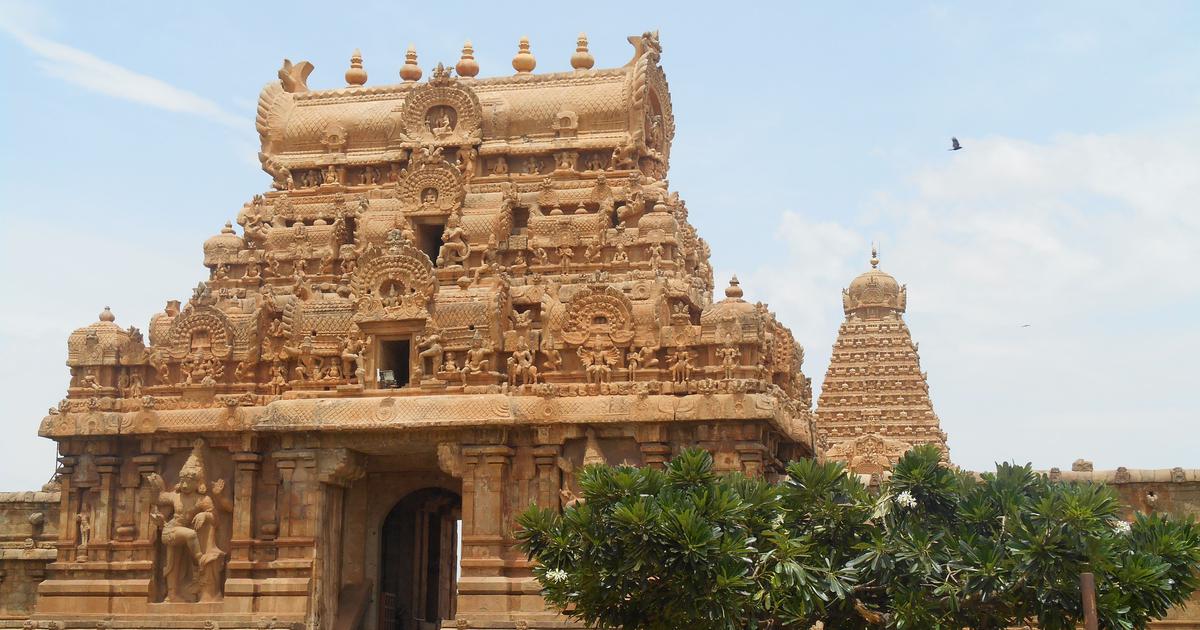
The relationship between temples and the sovereign evolved over hundreds of years and has been one of great interest to scholars. Academics Arjun Appadurai and Carol A Breckenridge studied temples in Chennai and Madurai to show how the deity in a temple was considered to be the “paradigmatic sovereign”. The daily rituals followed in South Indian temples of Shiva and Vishnu are generally described as rājōpachāra, which refers to the paying of royal honours. With royal paraphernalia including palanquins, troupes of dancers and musicians and decoration of flowers, crowns and other jewellery, the deity was given the treatment typically reserved for royalty.
During processions and temple car (ther) festivals, the chief deity is still taken out into the streets around the temple, where worshippers gather to catch a glimpse, seek blessing and provide offerings. It is not unlike how royalty would engage with subjects. Beyond the realm of the temple, the deity is used to commanding resources “which are necessary and appropriate for the support and materialisation of the ritual process”. These resources, which include lands, jewellery and other forms of patronage, were usually received in the form of donations to the temple.
With the deity treated as sovereign, the relationship between the two is a...
Read more
What's Your Reaction?
 Like
0
Like
0
 Dislike
0
Dislike
0
 Love
0
Love
0
 Funny
0
Funny
0
 Angry
0
Angry
0
 Sad
0
Sad
0
 Wow
0
Wow
0





![Cruise 2 Ton 3 Star Inverter Split AC – Now Only ₹38,490 [MRP: ₹64,900] on Amazon!](https://savefree.in/uploads/images/202607/image_870x580_6a6870eb6880c.webp?#)