































![Aquaguard Delight Aquasaver RO+UV+UF+MC Water Purifier – Now Only ₹10,999 [MRP: ₹26,500]](https://savefree.in/uploads/images/202606/image_870x580_6a2f9400613d1.webp?#)



This book of queer writing argues that a history of casteism and racism ossified homophobia in India
Join our WhatsApp Community to receive travel deals, free stays, and special offers!
- Join Now -
Join our WhatsApp Community to receive travel deals, free stays, and special offers!
- Join Now -

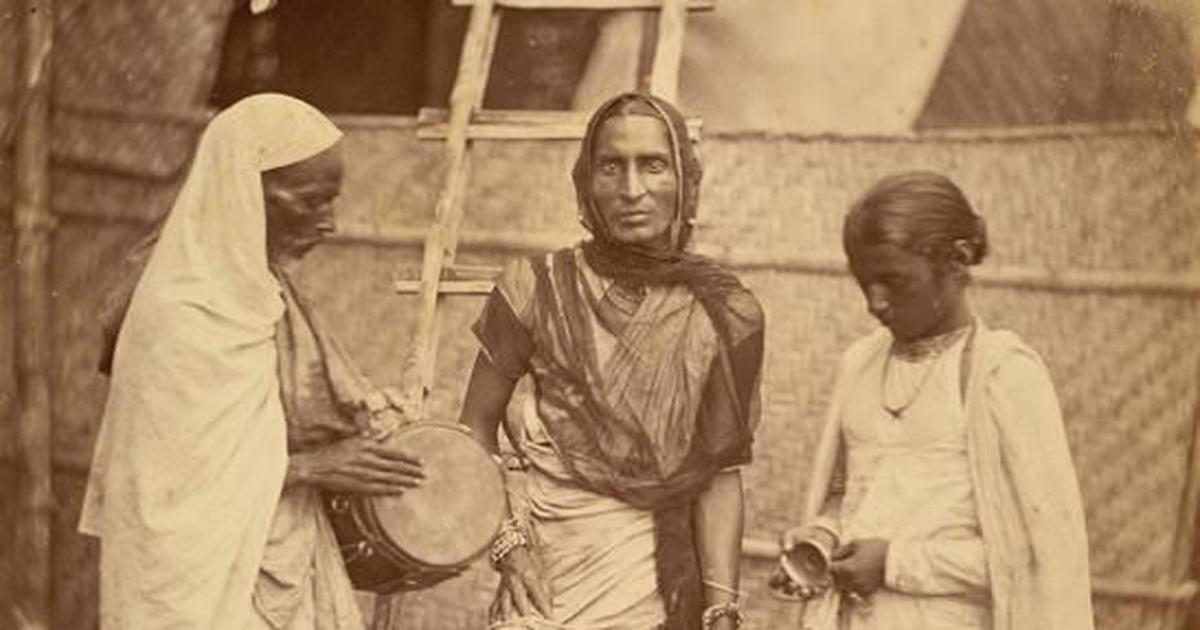
In 1884, an unusual case came up before the colonial Allahabad High Court. For months, the police had been tailing a person named Khairati on the suspicion that they were a “eunuch” after being tipped off that, on a visit to their ancestral village, they were found dancing and singing “dressed as a woman”. A scandalous trial ensued. The British Raj hauled Khairati before its surgeons and magistrates, turning their anatomy into evidence. “He is shown to have the characteristic mark of a habitual catamite – the distortion of the orifice of the anus into the shape of a trumpet…which distinctly points to unnatural intercourse within the last few months,” noted the judgement by the ironically (or aptly) named Justice Straight. The case was eventually dismissed because the paperwork was sloppy and the indictment forgot to name when or where or with whom this supposed crime occurred. But the judge took pains to commend the police for stomping on such “disgusting practices”.
Queen Empress vs Khairati is considered to be when Section 377 first drew blood, in the sense that a body that wore the wrong garments and desired the wrong intimacies received stiff legal opprobrium. Over the next 150 years, the law...
Read more
What's Your Reaction?
 Like
0
Like
0
 Dislike
0
Dislike
0
 Love
0
Love
0
 Funny
0
Funny
0
 Angry
0
Angry
0
 Sad
0
Sad
0
 Wow
0
Wow
0