






















The Supreme Court’s right-to-walk judgment should change how Indian cities build roads
Join our WhatsApp Community to receive travel deals, free stays, and special offers!
- Join Now -
Join our WhatsApp Community to receive travel deals, free stays, and special offers!
- Join Now -

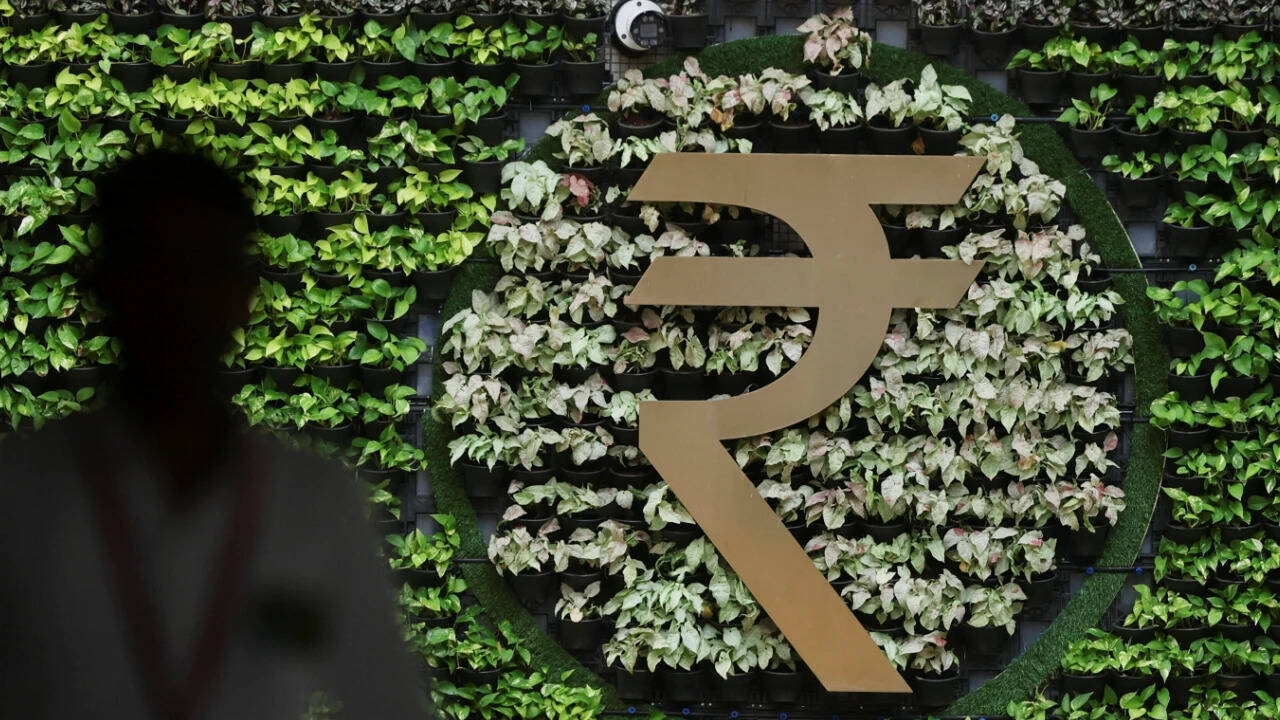
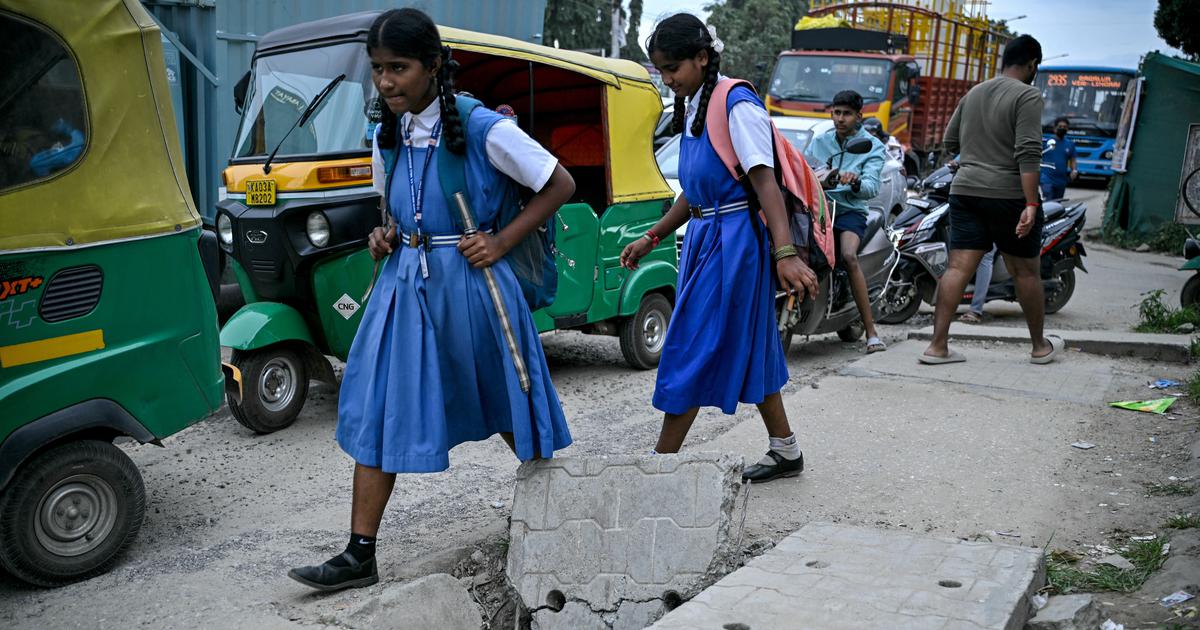
The Supreme Court’s recognition on June 19 of the right to walk safely as part of the right to life has implications that extend well beyond pedestrian safety. It raises a broader question about what Indian cities choose to build and what they continue to neglect.
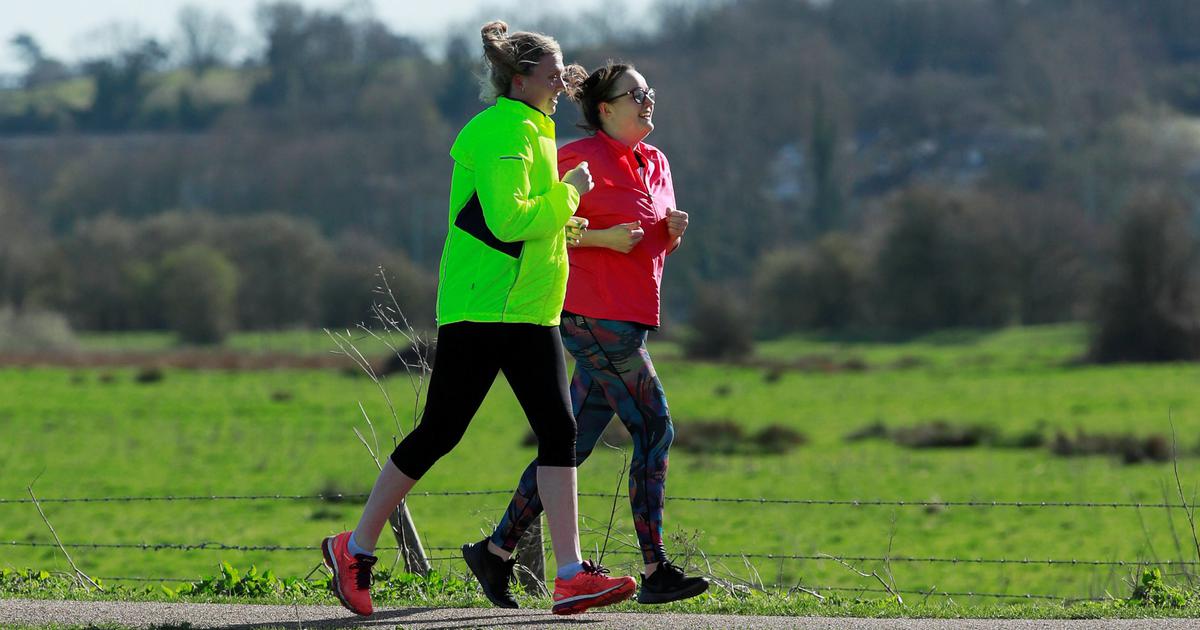
Walking remains the most common mode of transport in Indian cities, accounting for roughly one-quarter to one-third of all trips according to the Institute for Transportation and Development Policy India. Yet pedestrians receive among the least attention in urban planning and public investment.
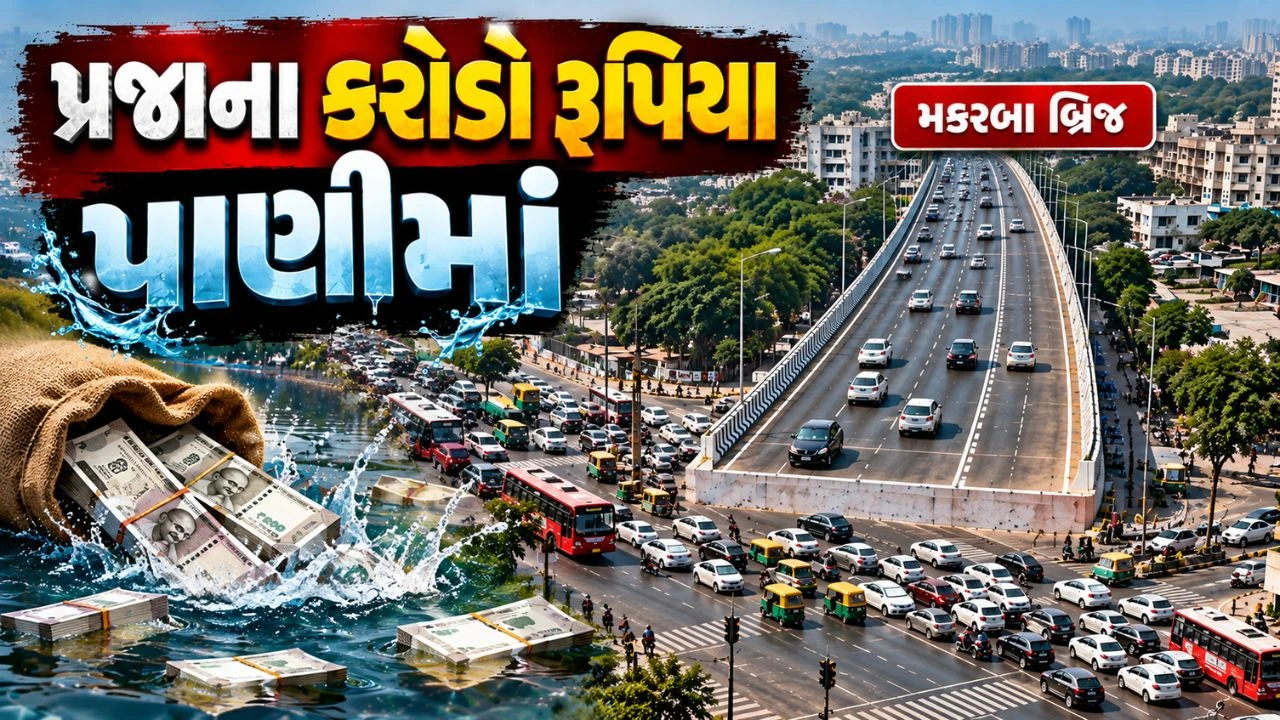
For decades, urban development has been measured through highways, flyovers, expressways and metro corridors. New roads and projects completed are announced frequently, while the public spaces people use every day – pavements, crossings, bus stops and road edges – remain poorly planned or absent altogether.
The result is that Indian cities have invested heavily in roads without investing enough in the streets that make those roads usable.
This distinction is important because roads and streets serve different purposes. Roads are designed to move vehicles efficiently. Streets support everyday urban life. Every metro journey begins and ends with a walk. Children walk to school, workers walk to bus stops and elderly citizens walk to neighbourhood markets.
Streets simultaneously accommodate public transport, utilities,...
Read more
What's Your Reaction?
 Like
0
Like
0
 Dislike
0
Dislike
0
 Love
0
Love
0
 Funny
0
Funny
0
 Angry
0
Angry
0
 Sad
0
Sad
0
 Wow
0
Wow
0




![Cruise 2 Ton 3 Star Inverter Split AC – Now Only ₹38,490 [MRP: ₹64,900] on Amazon!](https://savefree.in/uploads/images/202607/image_870x580_6a6870eb6880c.webp?#)