

























The ‘left-behind’ India: Global trade deals can have disruptive political consequences
Join our WhatsApp Community to receive travel deals, free stays, and special offers!
- Join Now -
Join our WhatsApp Community to receive travel deals, free stays, and special offers!
- Join Now -

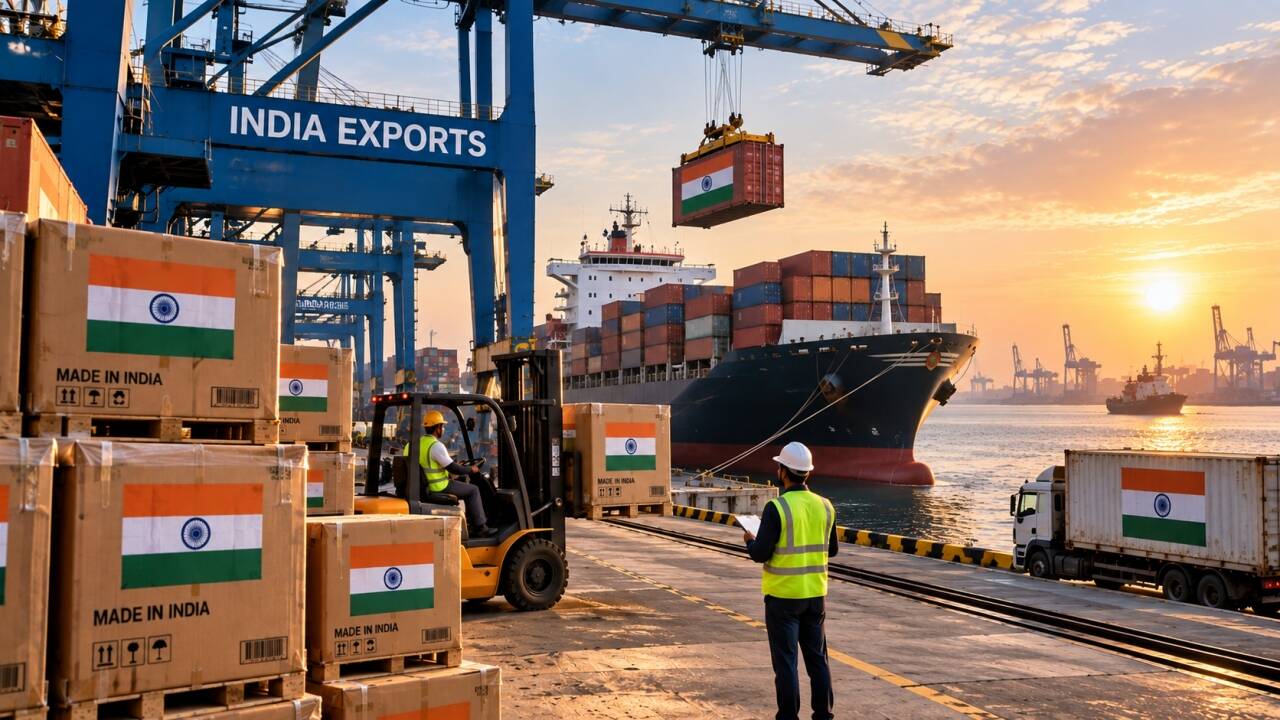
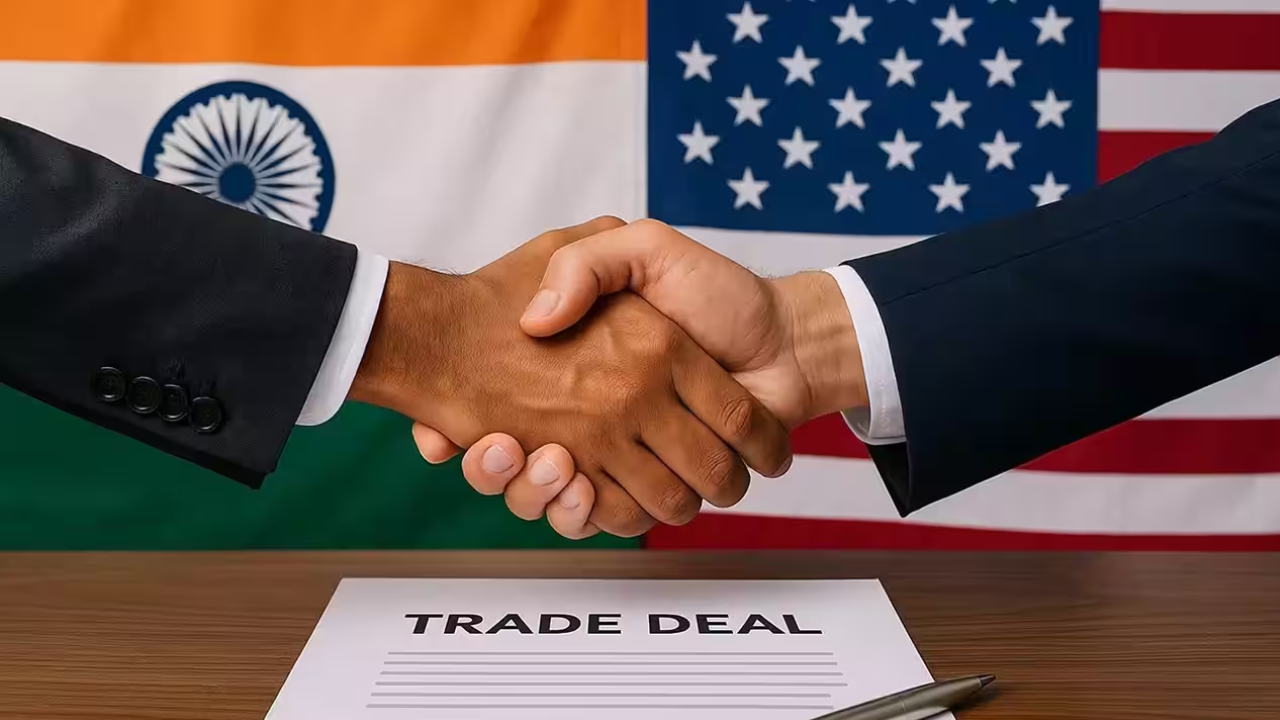
Amid talk of fractures in world trade, India continues to pursue globalisation as an economic development strategy. After a decade without any trade deals, India signed agreements with the European Union, United Kingdom, and New Zealand over 2025 and 2026, and is continuing negotiations with the US and other regions, signaling a renewed commitment to global economic integration. Most analyses of these agreements emphasise their geopolitical implications, especially for India’s emerging-power status and strategic relationship with the US, China, and Russia.
But these new deals will also contribute to the transformation of India’s domestic political economy. From India’s initial liberalisation in 1991, to its (re)emergence as a major exporter of textiles and apparel, to its dominant position in information technology services, globalisation has reshaped economic opportunity, social conflict, and political outcomes.
This transformation has touched areas intensely integrated with the global economy, but also localities that are little exposed to world markets. These new agreements, which grant extensive access to lucrative export markets, will likely catalyse deeper connections between India and the global economy.
My research on India’s 30-year experience with globalisation reveals how future economic change might influence domestic politics. Economic integration creates opportunity, but its benefits often concentrate in a handful of places, deepening...
Read more
What's Your Reaction?
 Like
0
Like
0
 Dislike
0
Dislike
0
 Love
0
Love
0
 Funny
0
Funny
0
 Angry
0
Angry
0
 Sad
0
Sad
0
 Wow
0
Wow
0