






































Orangutans in Odisha signal India is emerging as a destination for illegal primate pet trade
Join our WhatsApp Community to receive travel deals, free stays, and special offers!
- Join Now -
Join our WhatsApp Community to receive travel deals, free stays, and special offers!
- Join Now -

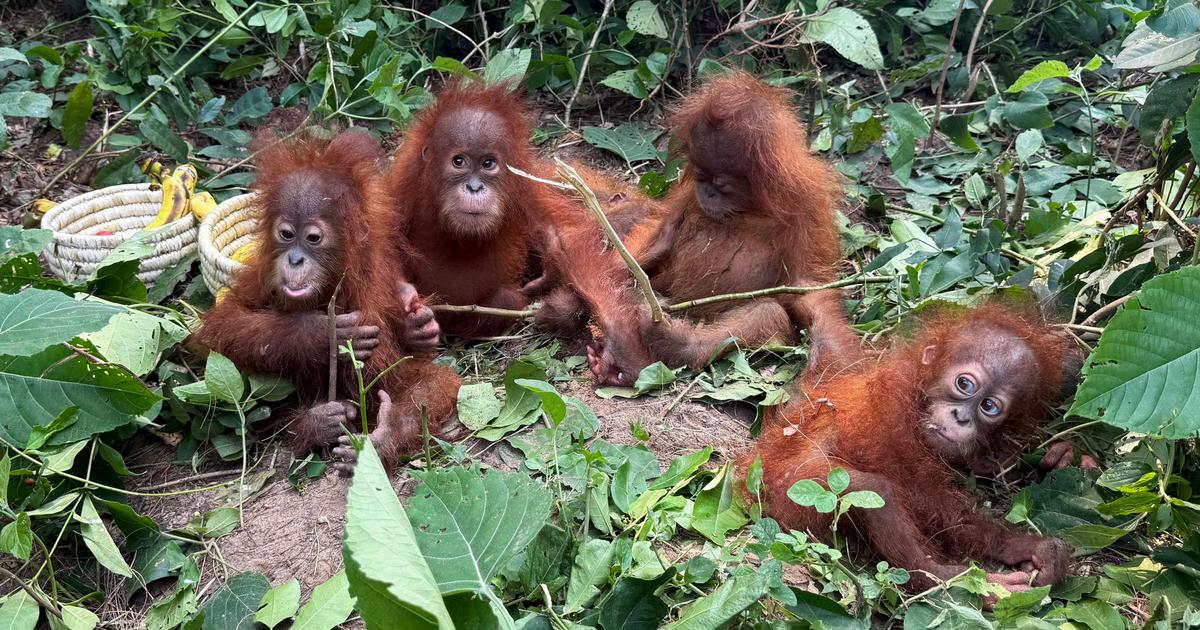
Recently, pictures and videos of five orangutan babies in a forest in Odisha, thousands of miles from their real home, were plastered across many screens. As authorities investigate the antecedents of the critically endangered animals and discuss their future, one thing is becoming increasingly clear: international wildlife trafficking is widening its reach, and India is emerging as a destination.
Keeping exotic animals and birds as pets, is not new in India. Non-native parrots have long dominated the scene. But keeping them legally involves navigating a complex set of legal procedures.
The repertoire of species illegally reaching Indian shores, however, has expanded significantly in recent years.
Primates are the new parrots. Gibbons, lemurs, marmosets and macaques, once difficult to find outside their native ranges, are increasingly turning up in seizures linked to the illegal pet trade.
Primates are a group of mammals that includes humans, apes, monkeys, lemurs and lorises, generally characterised by grasping hands and feet, forward-facing eyes and relatively large brains.
The seizure of an orangutan from an apartment bathroom in Mumbai in 2024, a Tamil actor’s pet Lar gibbon, and the controversy over two lemurs at Vantara highlight the emerging trade.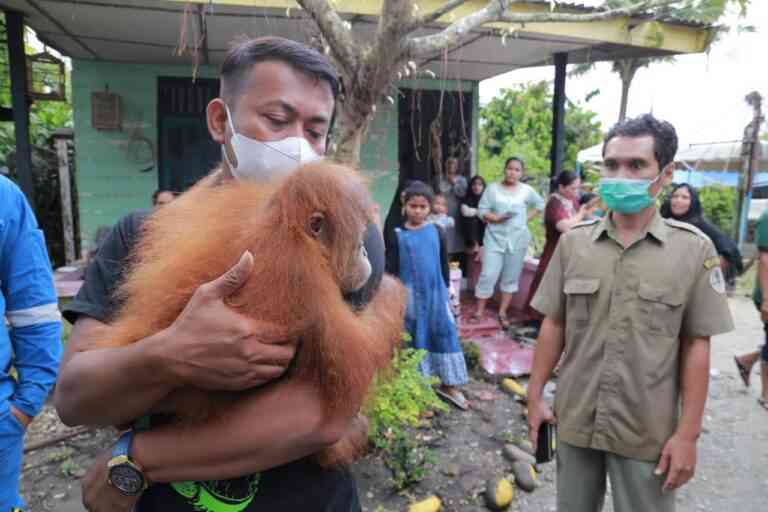
Gibbons, the most visible part of the trade
A 2026 global assessment of wild mammals kept as pets identified...
Read more
What's Your Reaction?
 Like
0
Like
0
 Dislike
0
Dislike
0
 Love
0
Love
0
 Funny
0
Funny
0
 Angry
0
Angry
0
 Sad
0
Sad
0
 Wow
0
Wow
0










![Cruise 2 Ton 3 Star Inverter Split AC – Now Only ₹38,490 [MRP: ₹64,900] on Amazon!](https://savefree.in/uploads/images/202607/image_870x580_6a6870eb6880c.webp?#)