































Modi’s austerity appeals are a misplaced solution for India’s economic woes

Join our WhatsApp Community to receive travel deals, free stays, and special offers!
- Join Now -
Join our WhatsApp Community to receive travel deals, free stays, and special offers!
- Join Now -

Prime Minister Narendra Modi’s seven-point austerity appeal to citizens on Sunday has revived an old question: apart from budgets and policies, can governments steer economies by also shaping public behaviour and collective psychology?
Indians were urged to revive work-from-home practices to reduce fuel consumption, avoid unnecessary foreign travel and destination weddings abroad, postpone gold purchases, use public transport and electric vehicles, reduce edible oil consumption, support locally made products, and adopt farming practices that are less fertiliser-intensive.
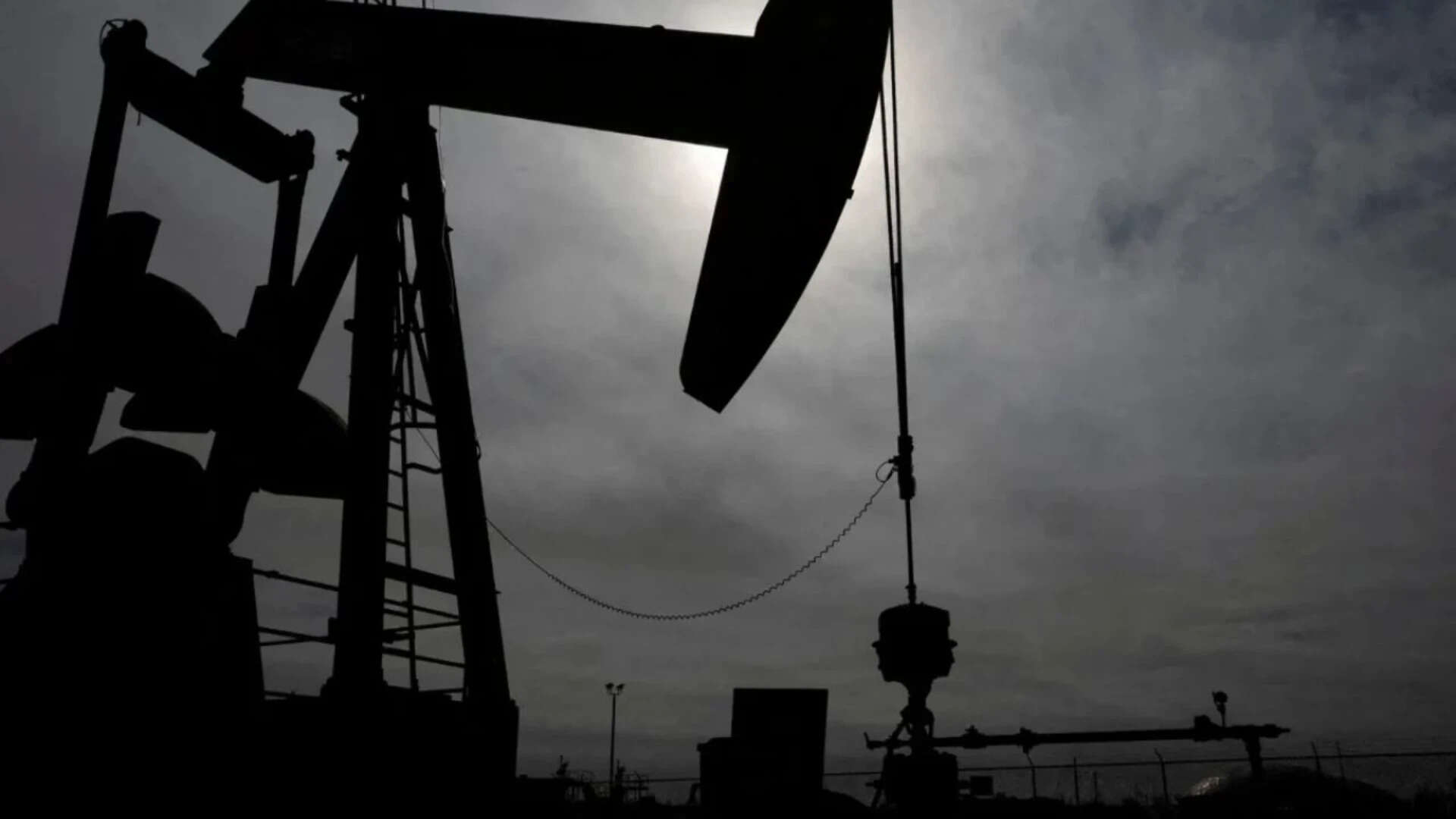
There is an obvious economic rationale behind these suggestions. India faces a difficult global environment marked by geopolitical instability in West Asia, volatile crude oil prices, supply-chain disruptions and growing pressures on trade balances and foreign exchange reserves.
Yet these appeals are about more than conservation. They are an attempt to invoke economic patriotism: the idea that citizens can contribute to national economic resilience through voluntary changes in everyday behaviour.
History offers several examples. During the Second World War, Britain introduced rationing in 1940, covering essentials ranging from fuel to food, and sustained many of those controls well into the mid-1950s. In the United States, “Buy American” campaigns intensified during periods of industrial slowdown and external competition, particularly during the 1970s and 1980s.
South Korea, during the Asian financial crisis of 1997-’98, launched...
Read more
What's Your Reaction?
 Like
0
Like
0
 Dislike
0
Dislike
0
 Love
0
Love
0
 Funny
0
Funny
0
 Angry
0
Angry
0
 Sad
0
Sad
0
 Wow
0
Wow
0