






















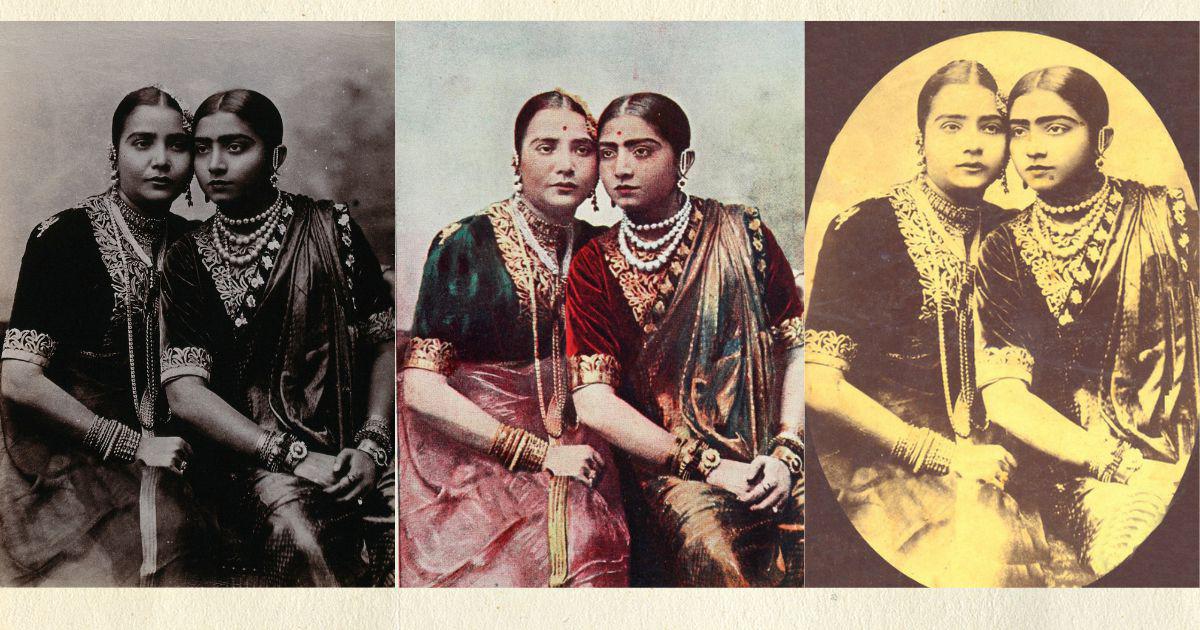
Malka Jan: The life and lost verses of a 19th century courtesan
Join our WhatsApp Community to receive travel deals, free stays, and special offers!
- Join Now -
Join our WhatsApp Community to receive travel deals, free stays, and special offers!
- Join Now -

In a letter to Malka Jan in 1886, the poet Dagh Dehlvi had many things to say about Na’ala e Malka (Malka’s Lament), her composition in the masnavi form.
“The attribute of your community is ink, and your principle, freedom,” Dehlvi wrote. “You have amazing talent and your writing is as magnificent as your fate. Your masnavi is unique in aspect – brimming with flirtation, conceived in English and worded in Hindustani…”
Dehlvi’s words are evidence of Malka Jan’s renown as a woman of letters of the time. But this composition is now lost.
It isn’t the only one. The 19th century saw the emergence of several women Urdu poets, most of them tawaifs, but the works of these highly skilled courtesans were not preserved the way the verses of their male peers were. Writing spaces in North India were dominated by male poets like Ghalib, Zauq and Dagh while women’s voices went silent over time.
Moreover, women poets were often accused of having their lines ghostwritten by male admirers.
All that survives of their brilliant braiding of words is in tazkiras, or short biographies, which chronicled these women poets and published some of their lines.
Malka Jan’s first volume of poetry, Makhazana e Ulfat e Malka (Treasures of Malka’s Love), published in 1886 with...
Read more
What's Your Reaction?
 Like
0
Like
0
 Dislike
0
Dislike
0
 Love
0
Love
0
 Funny
0
Funny
0
 Angry
0
Angry
0
 Sad
0
Sad
0
 Wow
0
Wow
0