






























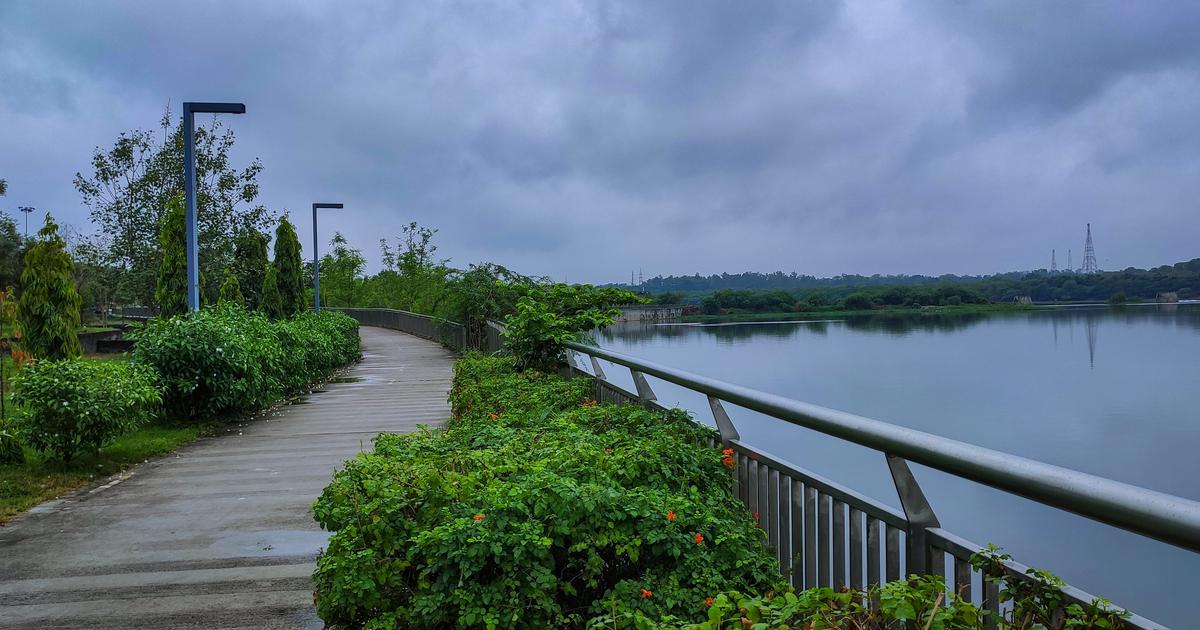
Lucknow’s gleaming Gomti riverfront symbolises urban progress, but what about ecological resilience?
Join our WhatsApp Community to receive travel deals, free stays, and special offers!
- Join Now -
Join our WhatsApp Community to receive travel deals, free stays, and special offers!
- Join Now -

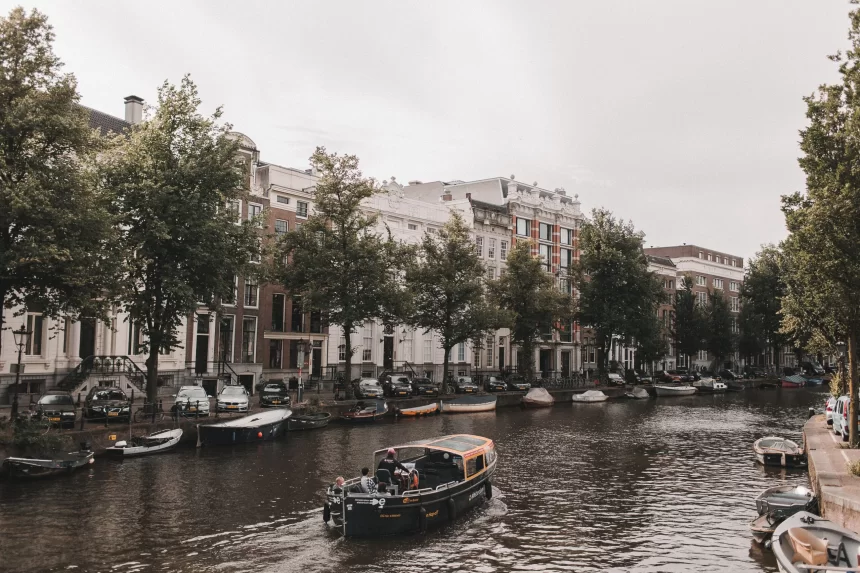
At first glance, the Gomti Riverfront appears to be a triumph of urban transformation. Gleaming promenades, landscaped gardens, cycling tracks, and illuminated riverbanks have recast the Gomti as a symbol of a moderniding Lucknow. Yet beneath this carefully curated landscape lies a more unsettling question: when cities attempt to beautify rivers, what exactly are they restoring and what are they erasing?
The Gomti Riverfront is not merely a story of infrastructure; it is a story of competing visions of development. While the project has delivered public spaces, enhanced real estate values, and a renewed civic relationship with the river, it has also narrowed floodplains, simplified habitats, and failed to address the persistent pollution flowing through the river itself.
As climate uncertainty intensifies and Indian cities increasingly turn to riverfront development as a model of urban renewal, the Gomti offers a crucial lesson. The challenge is not whether rivers should be integrated into city life, but whether they can be revived without sacrificing the ecological processes that keep them alive.
The Gomti Riverfront project, formally approved in March 2015 by the State Government of Uttar Pradesh at a cost of Rs 656.58 crore, represents a particular model of river development that has gained traction across India....
Read more
What's Your Reaction?
 Like
0
Like
0
 Dislike
0
Dislike
0
 Love
0
Love
0
 Funny
0
Funny
0
 Angry
0
Angry
0
 Sad
0
Sad
0
 Wow
0
Wow
0






![Cruise 2 Ton 3 Star Inverter Split AC – Now Only ₹38,490 [MRP: ₹64,900] on Amazon!](https://savefree.in/uploads/images/202607/image_870x580_6a6870eb6880c.webp?#)