
















![Lifelong Kids Drone with Dual Camera – Grab it for Just ₹5,299 [MRP: ₹12,999]](https://savefree.in/uploads/images/202607/image_870x580_6a69e5202d93d.webp?#)


‘Logic in a Popular Form’: When Bengal’s syncretic traditions countered orthodox religious practices
Join our WhatsApp Community to receive travel deals, free stays, and special offers!
- Join Now -
Join our WhatsApp Community to receive travel deals, free stays, and special offers!
- Join Now -

In the labyrinthine archives of colonial Bengal, where orthodox scholars once filed away the “degraded” remnants of popular faith, Sumanta Banerjee has embarked on an extraordinary project. Logic in a Popular Form transforms what he calls the work of “ragpickers of history” into something far more radical, a systematic excavation of how ordinary people have used religious imagination to navigate the violence of historical change.
Taking superstition seriously
What emerges from Banerjee’s careful sifting through manuscript collections and oral traditions is not the familiar narrative of pristine textual traditions corrupted by folk ignorance. Instead, something complex is depicted here, a world where tribal mother-goddesses become nationalist symbols, where Muslim fakirs and Hindu deities merge into syncretic forms that challenge orthodox boundaries, and where street singers transform divine love stories into sharp commentaries on colonial power.
The strength of Banerjee’s approach lies in his refusal to treat popular religious forms as either quaint survivals or degraded corruptions of elite traditions. He reveals them as active responses to historical circumstances – “logic in a popular form,” to borrow Marx’s phrase – that demonstrate the theological sophistication of communities supposedly trapped in superstition.
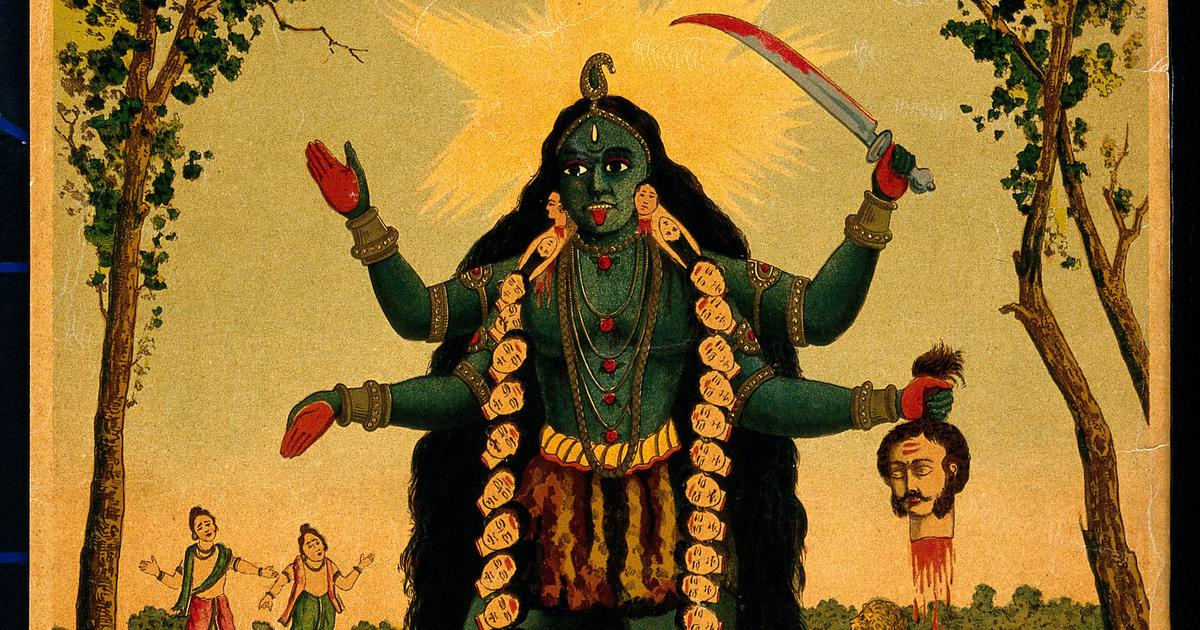
Consider his analysis of Kali’s transformation across centuries of Bengali history. The goddess who began as a primitive deity haunting...
Read more
What's Your Reaction?
 Like
0
Like
0
 Dislike
0
Dislike
0
 Love
0
Love
0
 Funny
0
Funny
0
 Angry
0
Angry
0
 Sad
0
Sad
0
 Wow
0
Wow
0