
























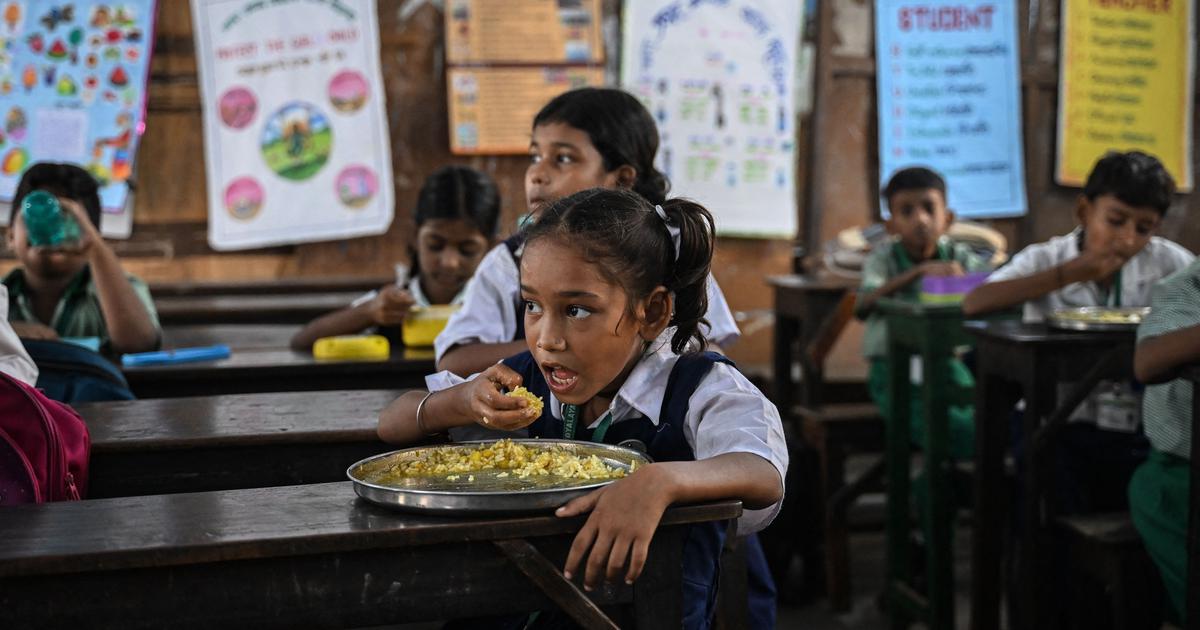
India has been providing meals to students for 30 years. Did it change how families made choices?
Join our WhatsApp Community to receive travel deals, free stays, and special offers!
- Join Now -
Join our WhatsApp Community to receive travel deals, free stays, and special offers!
- Join Now -

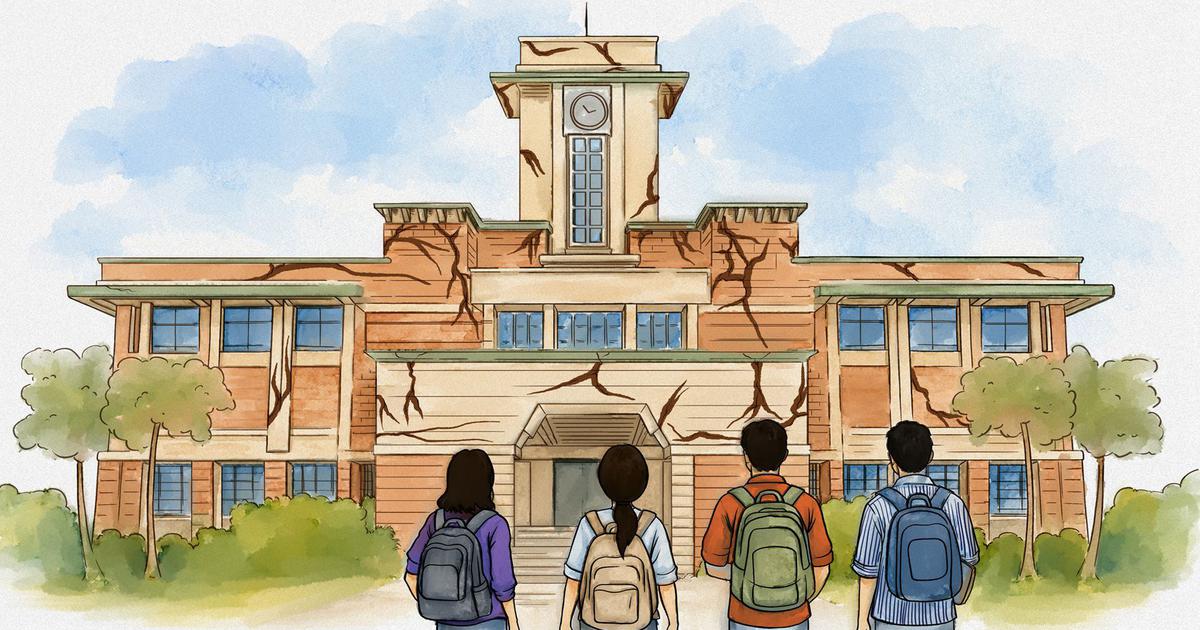
Debates about the provision of free school meals often focus on eligibility, nutrition and health, programme costs and reducing child poverty. These are important questions. But there is another critical question that receives much less attention: How do families themselves understand and respond to school food?
This question is at the heart of addressing the gap between eligibility and uptake that plagues school meal programmes around the world.
India offers a useful place to look for answers. Its midday meal scheme, now known as PM Poshan, marked its 30th year in 2025. It is the world’s largest – and one of the longest-running – school feeding programmes. It provides a free cooked meal on school days to 112 million children attending pre-primary and Classes I–VIII (aged from around six to 14) in more than a million government and government-aided schools on all school days across India.
Our new research offers important insights into how families perceive and experience school meals. We carried out interviews with members of 86 households in Uttar Pradesh and Goa, basing our analysis particularly on in-depth conversations with 134 adults and 112 children.
While the scheme aims to improve children’s nutrition and educational participation, our findings show that its significance extends beyond these outcomes. Children talked about the food’s taste...
Read more
What's Your Reaction?
 Like
0
 Dislike
0
 Love
0
 Funny
0
 Angry
0
 Sad
0
 Wow
0