




































In Rajasthan, invasive tree helps tech giants buy carbon credits
Join our WhatsApp Community to receive travel deals, free stays, and special offers!
- Join Now -
Join our WhatsApp Community to receive travel deals, free stays, and special offers!
- Join Now -

Decades ago, in the Banni grasslands of Kachchh, an invasive tree was planted to solve one environmental crisis. Today, big companies are paying to convert the same trees into a charcoal-like substance to solve another problem.
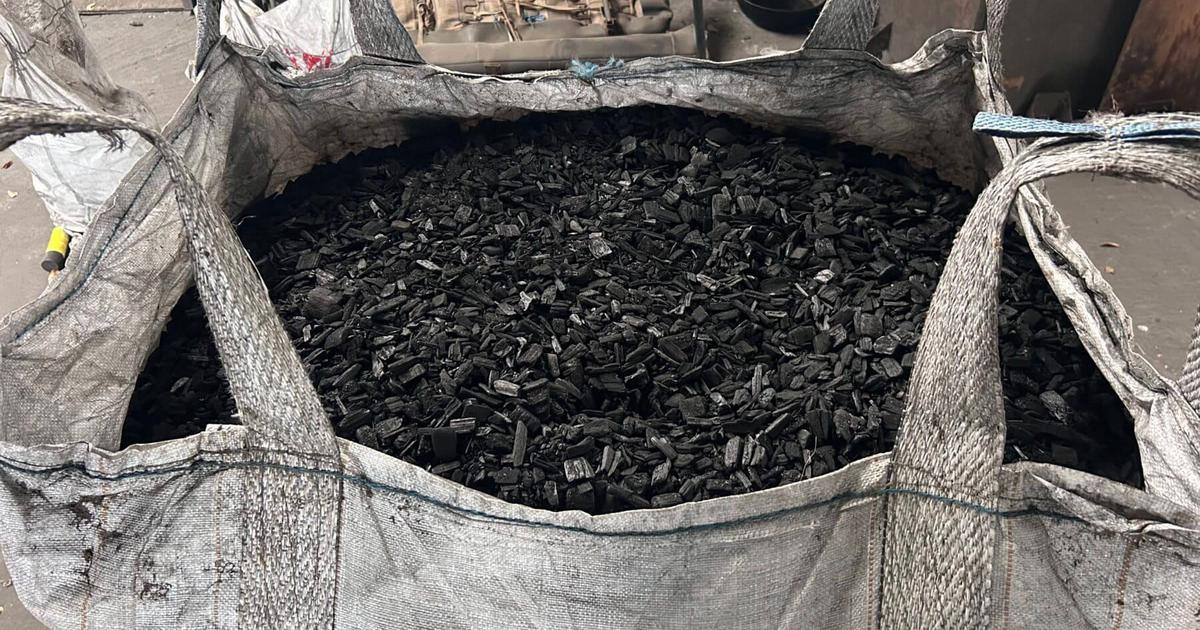
In January 2025, Google announced one of the largest biochar carbon removal deals to date, agreeing to purchase 1,00,000 tonnes of carbon dioxide removal credits from Varaha ClimateAg Private Limited, a Gurugram-based climate tech startup. Biochar is a carbon-rich charcoal produced by heating organic matter in low-oxygen conditions, which can store carbon in soil for hundreds of years.
By January 2026, Varaha had added Microsoft to its roster of corporate buyers, with Lufthansa, Swiss Re, and Capgemini also signing offtake agreements.
Among Varaha’s initiatives is a project in Kachchh, Gujarat, combining carbon sequestration with ecosystem restoration.
An invasive species
Prosopis juliflora was introduced to Kachchh around the 1960s to arrest desertification. The Banni grassland now has around 50% of its area dominated by this single invasive species, according to Khyati Thacker, a botanist who has spent over five years working on community-led ecosystem restoration in Kachchh and Saurashtra.
Research shows the grassland produced up to 4,000 kg of fodder per hectare in the 1960s; by 1999, that had fallen to around 620 kg. “This Prosopis juliflora has destroyed the jungle, the native trees (such as Vachellia nilotica, Prosopis cineraria, Senegalia senegal) and...
Read more
What's Your Reaction?
 Like
0
Like
0
 Dislike
0
Dislike
0
 Love
0
Love
0
 Funny
0
Funny
0
 Angry
0
Angry
0
 Sad
0
Sad
0
 Wow
0
Wow
0