






































In Ladakh, climate change is raining on apricots, central to life and the economy
Join our WhatsApp Community to receive travel deals, free stays, and special offers!
- Join Now -
Join our WhatsApp Community to receive travel deals, free stays, and special offers!
- Join Now -

Nusrat Rehman can’t wait to be home from school. It’s summertime in the otherwise cold and arid Kargil in Ladakh, where the 10-year-old lives. It’s also the season to harvest her favourite fruit – apricots.
When the finishing bell at her primary school rings, Rehman bounds down the hill and crosses the Suru River into her neighbourhood. “I cannot wait to pluck and eat the fresh apricots from our orchard!” she exclaims.
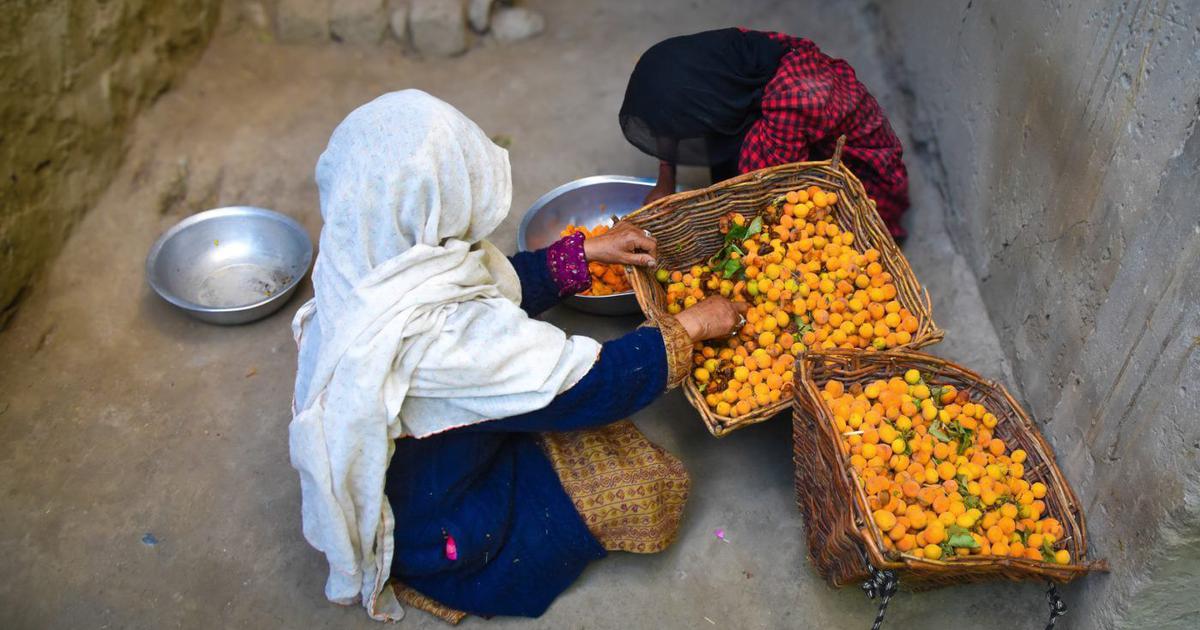
Between the summer months of July and September, her usual routine after school, like most other children in the region, is to help older women from the community harvest apricots in their orchards.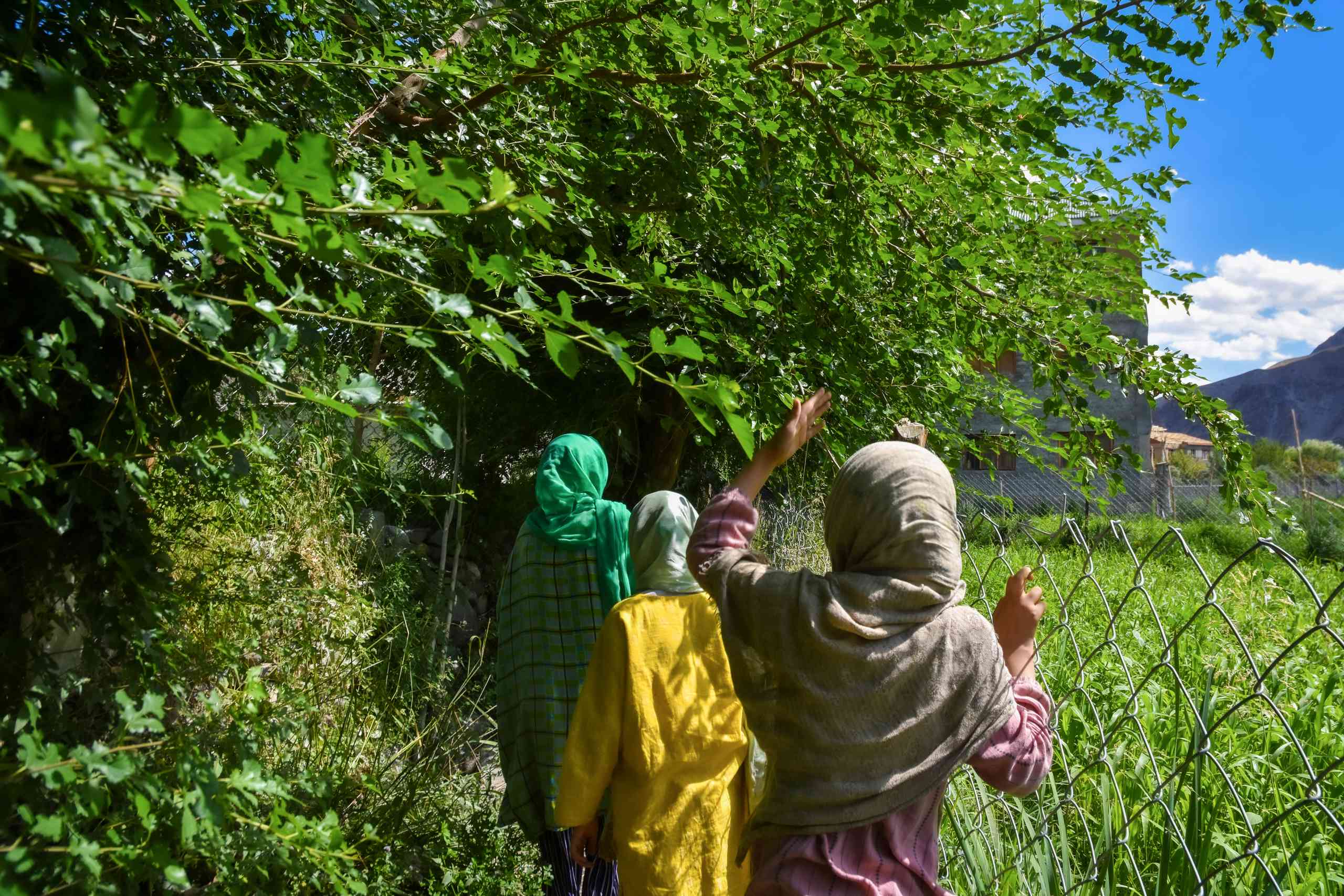
Ladakh is the biggest producer in the country, accounting for 62% of India’s total apricot yield, as per government data.
In Ladakh’s stark, high-altitude desert, where the growing season is brief and the winters are long, apricot trees are not ornamental additions to a household. They are foundational, woven into daily survival, local economy and cultural identity. While they are consumed as fresh fruit in summer, dried apricots sustain households through winter, when communities can be isolated for months. They provide both calories and essential nutrients when little else is available.
But climate change may be threatening this pivotal relationship between Ladakh’s people and apricots. Irregular...
Read more
What's Your Reaction?
 Like
0
Like
0
 Dislike
0
Dislike
0
 Love
0
Love
0
 Funny
0
Funny
0
 Angry
0
Angry
0
 Sad
0
Sad
0
 Wow
0
Wow
0