




































In Arunachal Pradesh, genetic study is helping conserve mithun population
Join our WhatsApp Community to receive travel deals, free stays, and special offers!
- Join Now -
Join our WhatsApp Community to receive travel deals, free stays, and special offers!
- Join Now -

In Arunachal Pradesh, conversations in mithun-rearing communities often find their way to the animal. For outsiders, one question almost inevitably follows: “How many mithuns do you own?”
When John Pei Cander was asked the same question, the enthusiasm with which he had been talking moments earlier suddenly faded. He paused before replying quietly, almost apologetically. “Now, I have just four,” he said. “During my father’s time, our family had around 30.”
John runs a successful business, owns agricultural land, and has built a concrete two-storied house, drives an SUV. His children are studying in private schools. Yet it was not these achievements that defined his pride. It was the shrinking number of mithuns his family owned. He is not alone.
Many with government jobs, thriving farms or successful businesses hesitate before revealing a single-digit number when asked about their mithuns. Their responses carried a sense of shame. Owning fewer mithuns, several people suggested, is not merely an economic reality; it was a loss of status and inheritance.
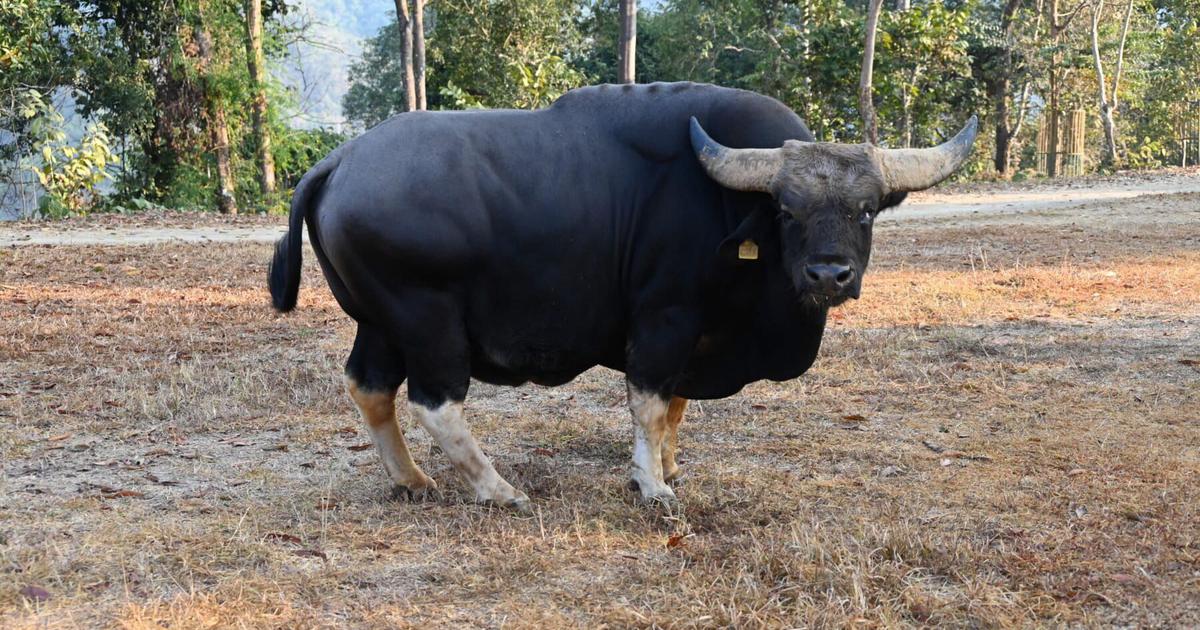
For generations, the mithun (Bos frontalis) has occupied a unique place amongst many Indigenous societies of northeast India. Neither fully domesticated nor truly wild, the semi-free-ranging bovine represents symbols of wealth, prestige and social standing, woven deeply into customary practices and family life.
According to...
Read more
What's Your Reaction?
 Like
0
Like
0
 Dislike
0
Dislike
0
 Love
0
Love
0
 Funny
0
Funny
0
 Angry
0
Angry
0
 Sad
0
Sad
0
 Wow
0
Wow
0