


















![Faber Artemis 90 cm Filterless Kitchen Chimney – Only ₹19,890 [MRP: ₹34,990]](https://savefree.in/uploads/images/202608/image_870x580_6a74630b4a064.webp?#)

![Samsung 692L Side-by-Side Inverter Frost-Free Refrigerator – Now Only ₹88,190 [MRP: ₹1,38,990]](https://savefree.in/uploads/images/202608/image_870x580_6a746c1396336.webp?#)

![Pepperfry Deal: Buy 3 Layer 18 Grid Jewelry Storage Organizers for Just ₹149 [MRP: ₹499]](https://savefree.in/uploads/images/202608/image_870x580_6a7473e96f511.webp?#)

How should India redistribute seats in an expanded Lok Sabha?
Join our WhatsApp Community to receive travel deals, free stays, and special offers!
- Join Now -
Join our WhatsApp Community to receive travel deals, free stays, and special offers!
- Join Now -

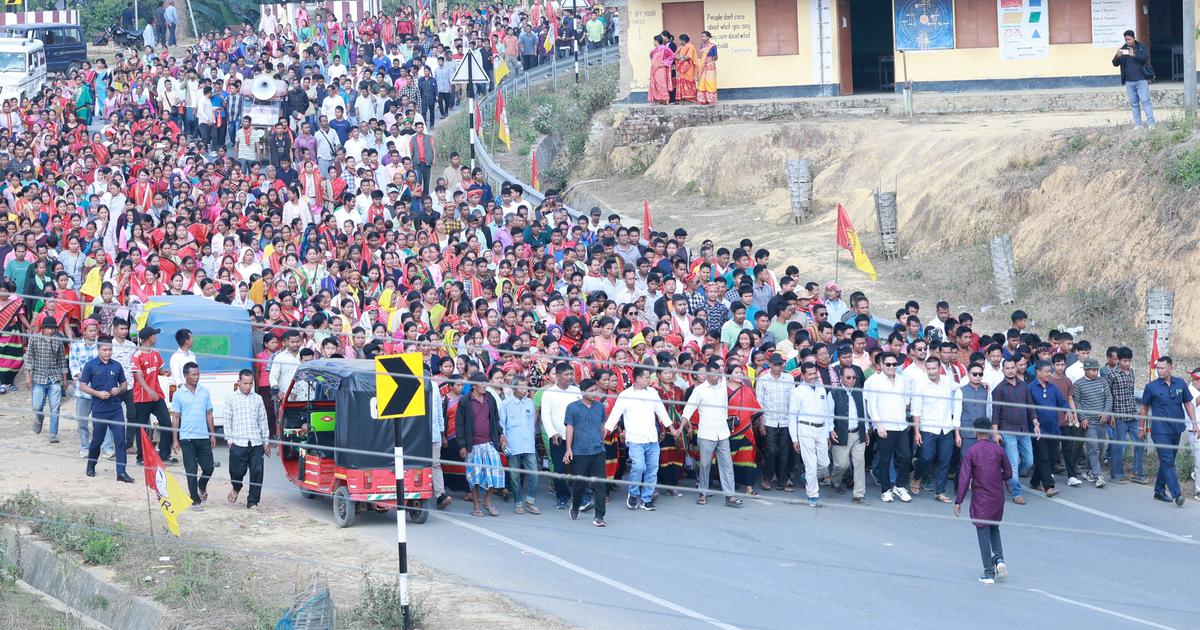
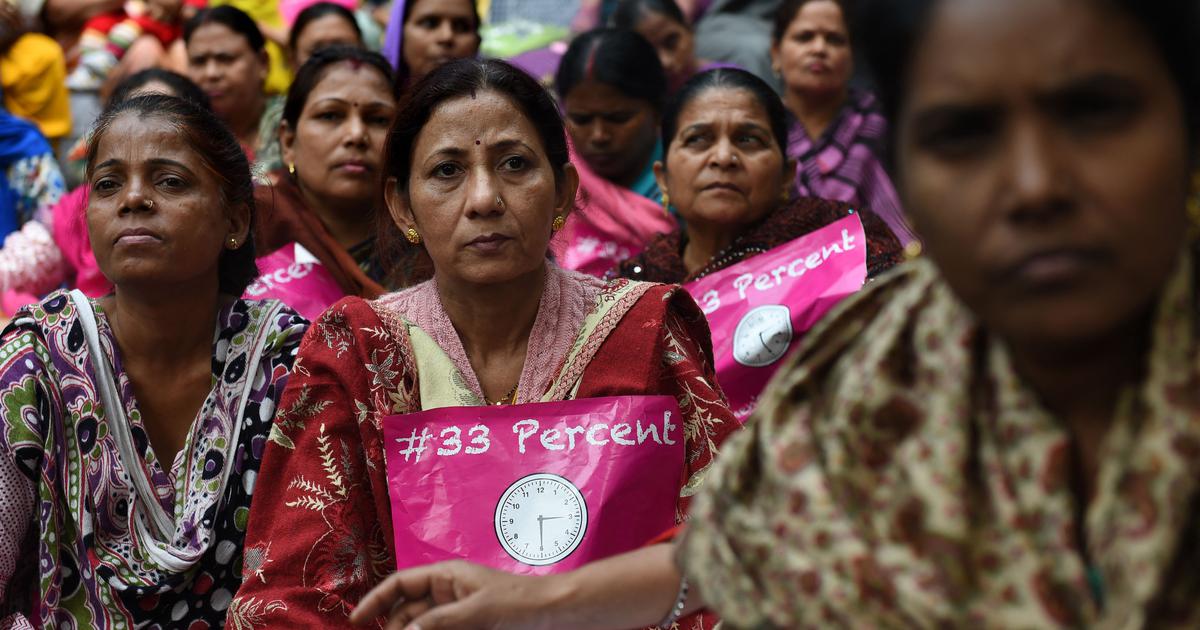
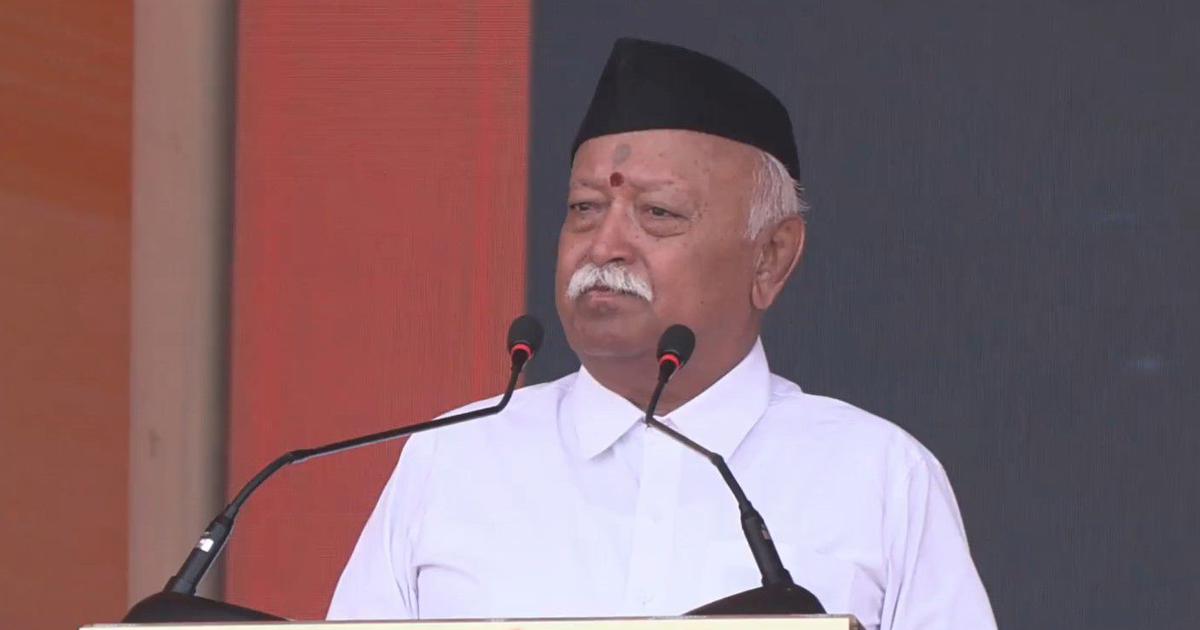
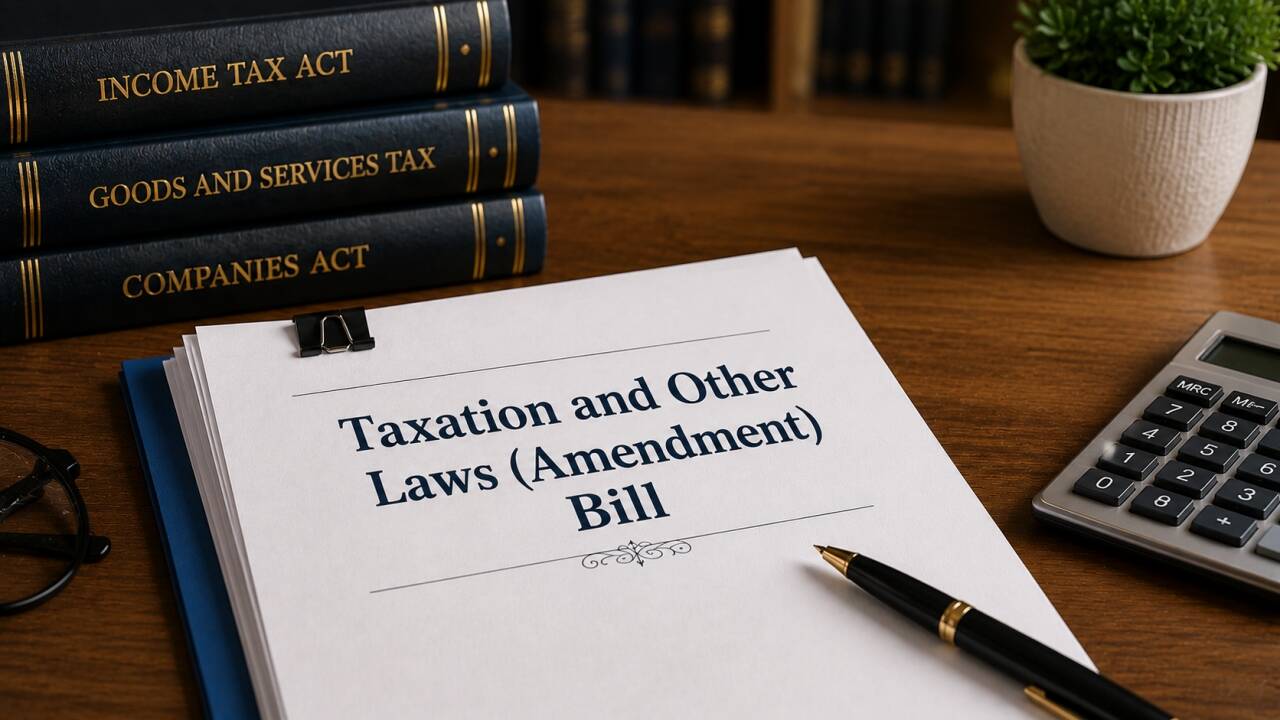
The defeat of the 131st Constitutional Amendment Bill in Parliament on April 16 has reignited the debate about delimitation – redrawing the boundaries of electoral constituencies to ensure that the share of the population is distributed fairly among them.
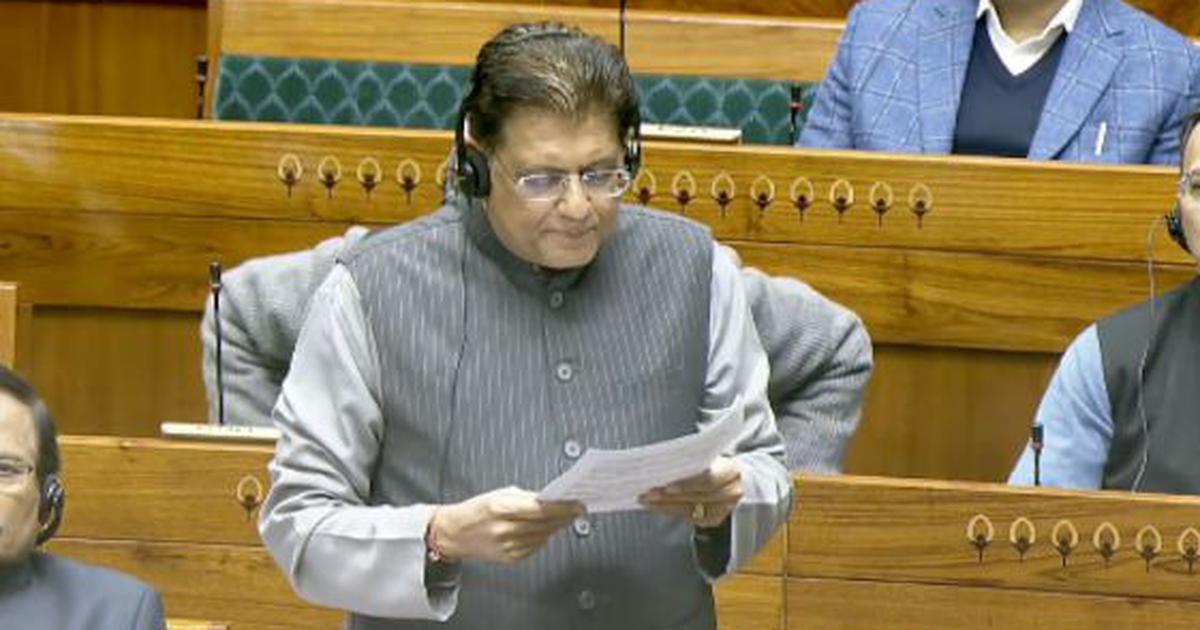
The bill sought to increase the maximum representation in the Lok Sabha to 850.
The delimitation bill failed to secure the required two-thirds majority in Parliament because it sought to carry out delimitation based on the 2011 Census, effectively bypassing the constitutional requirement to wait for the first Census after 2026, which was already underway.
In addition, Southern states maintained that they would be penalised by delimitation. They point out that their success in controlling population growth compared to Northern states could reduce their share of representation in an enlarged parliament.
Since the delimitation bill has been defeated, the task of finding a solution to the challenge of redrawing the boundaries of constituencies to ensure fair representation is more urgent now than ever.
Perhaps India could take a lesson from Europe and look to its “Cambridge compromise” of 2011 as it decides how the seats of an enlarged Lok Sabha should be apportioned among the Indian states and Union Territories.
There is no doubt that the Lok Sabha needs to be expanded. Currently, 1.5 billion Indians...
Read more
What's Your Reaction?
 Like
0
Like
0
 Dislike
0
Dislike
0
 Love
0
Love
0
 Funny
0
Funny
0
 Angry
0
Angry
0
 Sad
0
Sad
0
 Wow
0
Wow
0