





































How photography helped physicist Bibha Chowdhuri see the invisible in the 1930s
Join our WhatsApp Community to receive travel deals, free stays, and special offers!
- Join Now -
Join our WhatsApp Community to receive travel deals, free stays, and special offers!
- Join Now -

In 1939, a 26-year-old physicist published an article that contains what, at first, reads like instructions for an eccentric treasure hunt: place photographic plates in a refrigerator in Calcutta, in Darjeeling or in a Dak Bungalow at Sandakphu. But Bibha Chowdhuri was not looking for buried treasure. She was looking for traces of the invisible.
The plates had been prepared with samarium sulphate and exposed for months to cosmic radiation. When two of those placed at Sandakphu were developed, they revealed 30 “star-like tracks” – microscopic records of nuclear disintegration. The photographs transformed an otherwise invisible encounter between cosmic rays and matter into something that could be seen and studied.
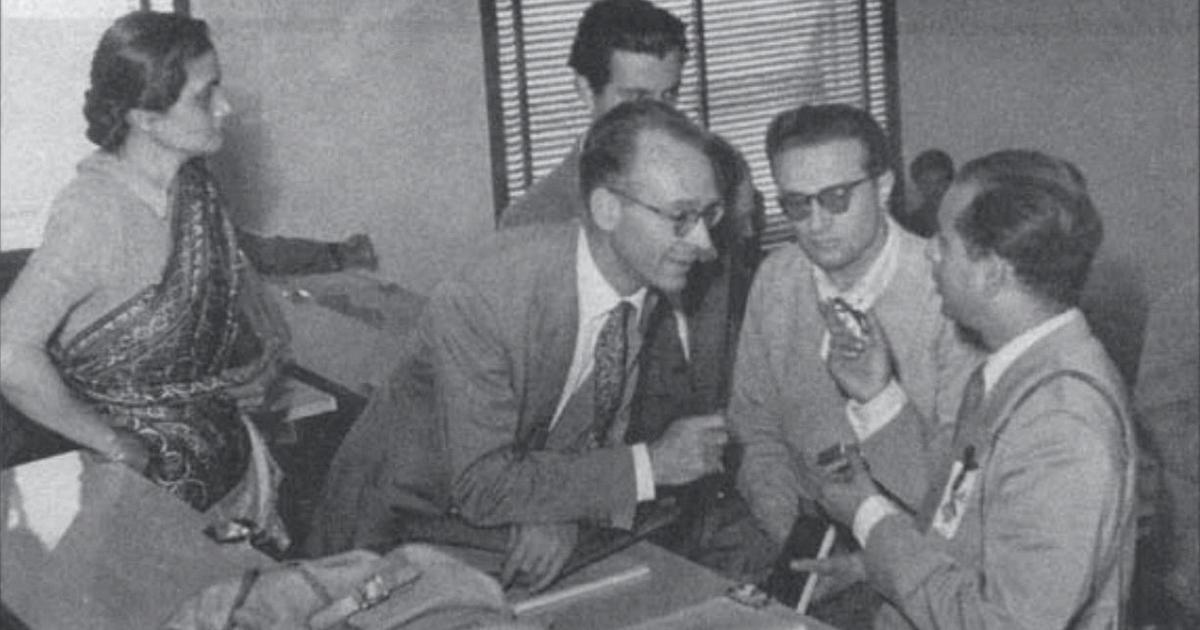
Chowdhuri’s experiment belonged to a new kind of scientific image-making, pioneered in part by physicist Marietta Blau, in which photographic emulsions became detectors of subatomic events. Working with DM Bose at Calcutta’s Bose Institute, Chowdhuri would go on to develop methods for distinguishing particles by the tracks they left in photographic plates. Her work formed part of a chain of experiments that culminated in Cecil Powell’s Nobel Prize-winning research on mesotrons.
Much of what is known about Chowdhuri’s life and work has been compiled by physicists Suprakash C Roy and Rajinder Singh in their biography A Jewel...
Read more
What's Your Reaction?
 Like
0
Like
0
 Dislike
0
Dislike
0
 Love
0
Love
0
 Funny
0
Funny
0
 Angry
0
Angry
0
 Sad
0
Sad
0
 Wow
0
Wow
0