
























How Mughal emperors embraced a syncretic sartorial sensibility
Join our WhatsApp Community to receive travel deals, free stays, and special offers!
- Join Now -
Join our WhatsApp Community to receive travel deals, free stays, and special offers!
- Join Now -

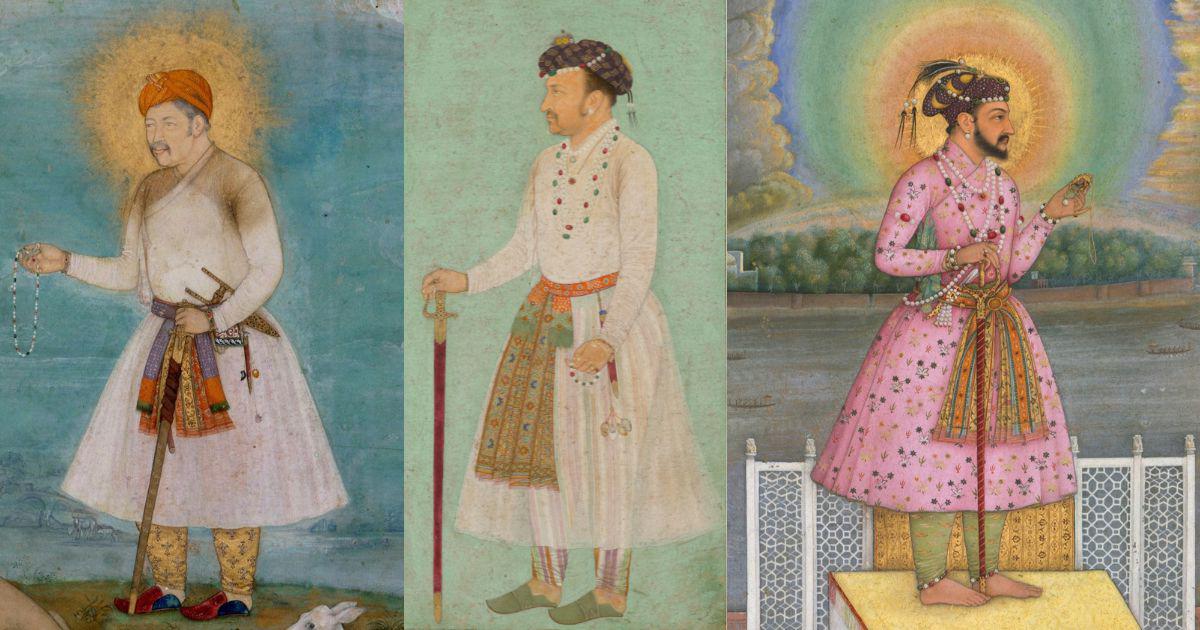
In his memoirs, the Tuzuk-i Jahangiri, Jahangir is represented as the quintessential aesthete. This is exemplified in his miniature portraits, often featuring a host of luxurious objects, such as jade wine cups, jewel-encrusted daggers, and finely woven textiles.
In one such painting, where he is depicted in his typical resplendent regalia, two overlapping textile sashes or patkas gracefully wind around his torso – one bearing a distinctive bandhani tie-dye design, emblematic of Rajputana culture, and the other displaying intricate Islamicate geometric designs.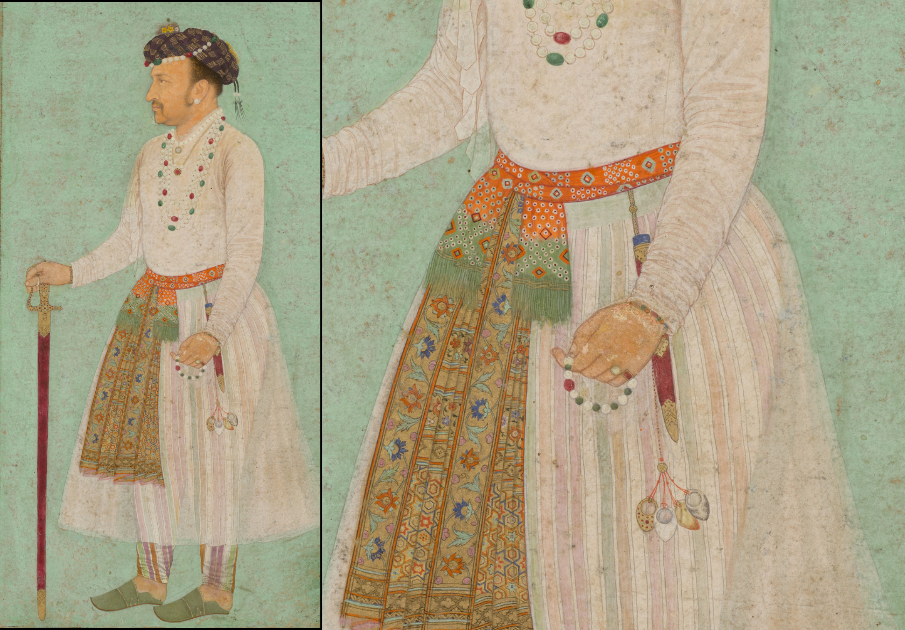
These twin sashes depict a carefully crafted visual manifesto of the emperor’s filial identity – as the son of both his Muslim father, the Mughal emperor Akbar, and Hindu mother, Rajput princess Harkha Bai.
This kind of multicultural sartorial sensibility reached refined heights during the reign of Akbar and his successors but did not originate in Mughal courts. Art historian Finbarr Barry Flood in his book Objects of Translation argues that between the 10th and 12th centuries, medieval elites engaged in “cultural cross-dressing” at cosmopolitan zones of contact around mercantile hubs in northern India.
Muslim elites adopted luxury items of ornamentation and dress favoured by rich Hindu and Buddhist rulers while Buddhist and Hindu elites reciprocally took to “fashionable” Turko-Persian wear as a sign of their sophisticated, worldly tastes. Such exchanges...
Read more
What's Your Reaction?
 Like
0
Like
0
 Dislike
0
Dislike
0
 Love
0
Love
0
 Funny
0
Funny
0
 Angry
0
Angry
0
 Sad
0
Sad
0
 Wow
0
Wow
0