





































How an Indian surveyor’s mysterious murder ended an expedition to map northern China
Join our WhatsApp Community to receive travel deals, free stays, and special offers!
- Join Now -
Join our WhatsApp Community to receive travel deals, free stays, and special offers!
- Join Now -

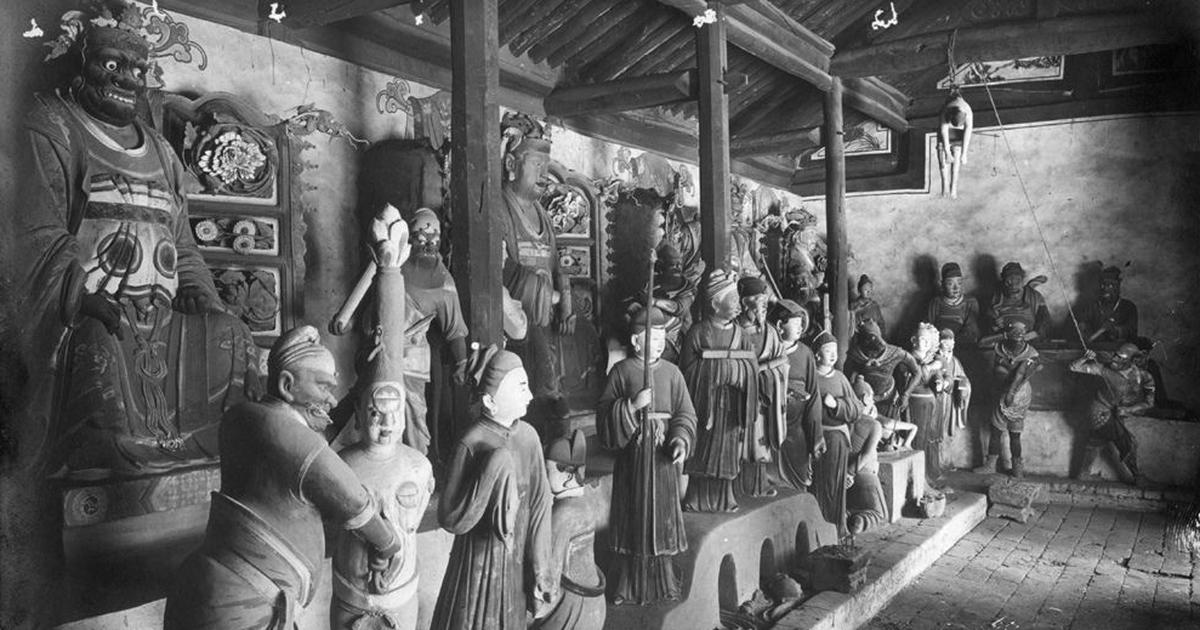
In June 1908, Hazrat Ali, a surveyor in the British Indian Army, was recommended for an expedition to northern China. Led by an American, Robert Sterling Clark, the expedition was organised under the “secret auspices” of the British military intelligence bureau.
The plan was ambitious. The party would travel west through three largely unmapped northern Chinese provinces – Shanxi, Shaanxi and Gansu, collectively known at the time as the Shen-Kan region – before heading towards the eastern borders of Tibet. From there, it would move south to Chengdu in Sichuan and finally follow the Yangtze River to Shanghai, completing a vast circuit over 18 months.
The expedition was not merely a mapping exercise. It was also intended to make topographical and meteorological observations, study mineral availability and gather rare animal species – mammals, birds and insects – for scientific study and for the many modern zoos established in recent decades.
Barely nine months into the expedition, however, disaster struck. In June 1909, Ali was inexplicably murdered. The suspects were an unidentified mob of “hostile tribesmen” from villages around Lanzhou. Skirmishes followed between members of the expedition and groups of villagers. When appeals for compensation over Ali’s death went unanswered, the expedition was abandoned on the advice...
Read more
What's Your Reaction?
 Like
0
 Dislike
0
 Love
0
 Funny
0
 Angry
0
 Sad
0
 Wow
0