

































How Krishna Bisht crossed Delhi’s cultural divide to carry the Dilli gharana into a new era
Join our WhatsApp Community to receive travel deals, free stays, and special offers!
- Join Now -
Join our WhatsApp Community to receive travel deals, free stays, and special offers!
- Join Now -

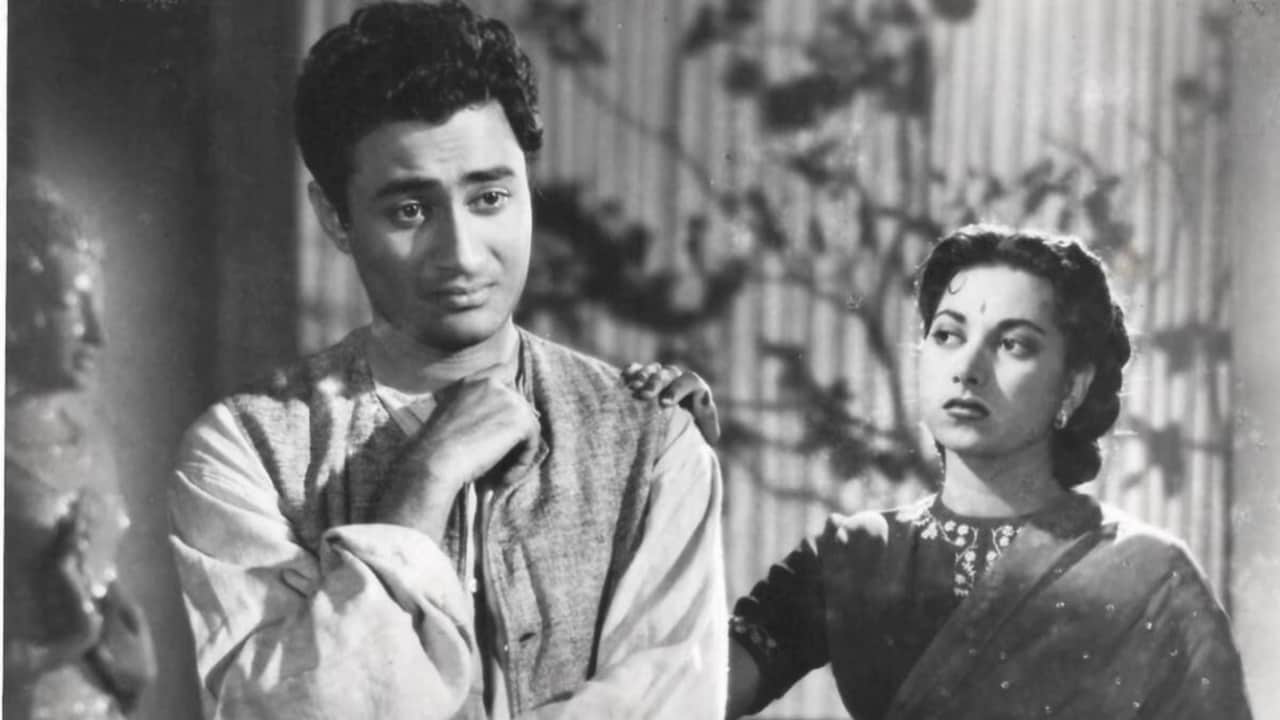
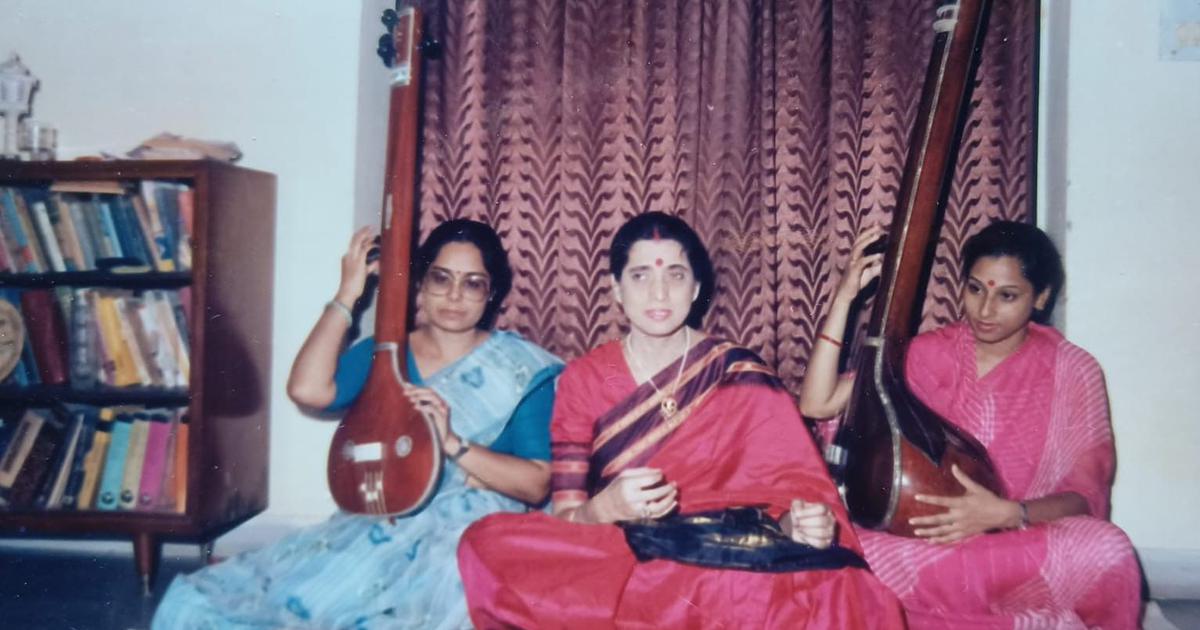
The distance between Mausiqi Manzil in Daryaganj and the small, manicured bungalows on Rouse Avenue near ITO was not great. But in the Delhi of the 1950s, entire worlds separated the lives of Chand Khan and Krishna Chakravarty. He was the khalifa or steward of the Dilli Gharana, a strictly patriarchal lineage of hereditary Muslim musicians entrenched in the chaos of the old city. She came from an equally conservative family of Vaishnavite Bengalis, immersed in notions of ritual purity, in central Delhi. But come together they did, as guru and shishya, forging a decades-long relationship built on music.
The ustad died in 1980, and his nephew, the late Iqbal Khan, was to inherit the gharana mantle. But today, Krishna Bisht, 82, is considered the senior-most representative of a musical tradition that claims to trace its origin to the times of Amir Khusrau. Over the intervening decades, she also forged a style for women singers in a gharana that had been tailored for masculine vigour.
Bisht straddles two poles of Hindustani music practice, the informal and the formal. She was steeped in the orthodoxy and eccentricities of the guru-shishya tradition, but also spent over four decades teaching music in an academic institution, with all...
Read more
What's Your Reaction?
 Like
0
Like
0
 Dislike
0
Dislike
0
 Love
0
Love
0
 Funny
0
Funny
0
 Angry
0
Angry
0
 Sad
0
Sad
0
 Wow
0
Wow
0









![Cruise 2 Ton 3 Star Inverter Split AC – Now Only ₹38,490 [MRP: ₹64,900] on Amazon!](https://savefree.in/uploads/images/202607/image_870x580_6a6870eb6880c.webp?#)