

























![Pepperfry Yellow Polyester 10 Carnation Artificial Flowers for Home and Office – Just ₹149 [MRP: ₹699]](https://savefree.in/uploads/images/202607/image_870x580_6a66e5a4263ba.webp?#)
![LG SmartChoice UltraGear Professional Gaming Monitor with 180Hz IPS Display at ₹10,499 [MRP: ₹20,000]](https://savefree.in/uploads/images/202607/image_870x580_6a64724a9e8f5.webp?#)



How India’s tariff regime can be reworked to the country’s advantage
Join our WhatsApp Community to receive travel deals, free stays, and special offers!
- Join Now -
Join our WhatsApp Community to receive travel deals, free stays, and special offers!
- Join Now -

The White House’s latest announcement on finalising the Indo-US deal, and lowering of tariffs from 25% to 18% for India has once again brought to the fore the complex geopolitics of trade negotiations.
The exchange between the US and India over the past year proves that modern trade negotiations extend beyond tariff schedules. Sanction regimes and geopolitical alignment have come to shape tariff discussions.
In other words, domestic tariff policy has now become inseparable from foreign policy.
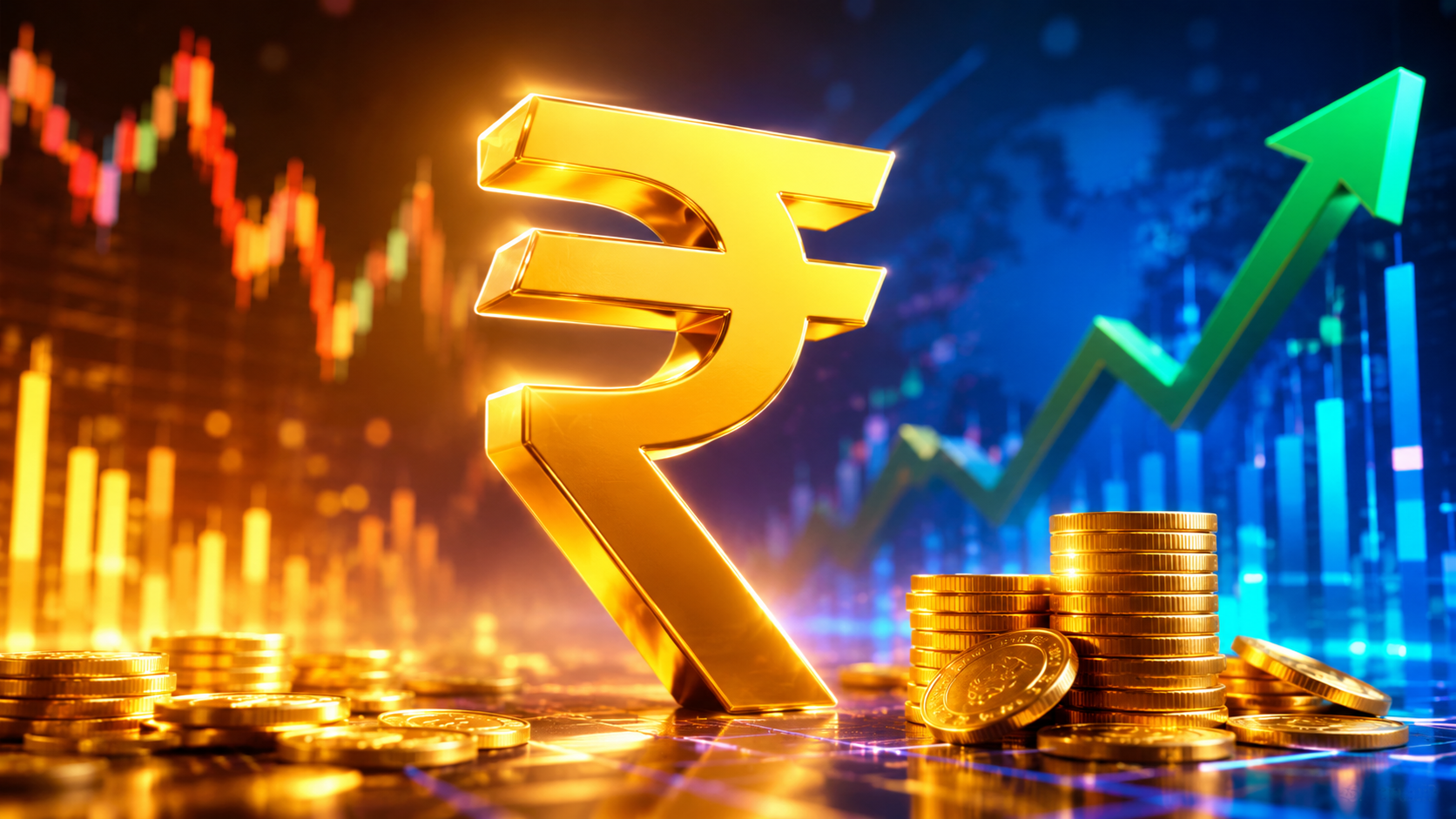
For India, then, to insulate itself from these shocks, the need of the hour is to recalibrate its tariff framework from a protectionist, reactive shield, to a strategic tool that can boost its export competitiveness, strengthen trade-negotiation credibility, and allow it to integrate more deeply into global value chains.
In this respect, 2026 is significant. The year has begun with two powerful yet contradictory trade narratives: India continues to maintain a protective tariff regime, even as it pursues a liberal trade agenda through high-profile trade agreements with the UK, US, Netherlands, UAE and Australia.
The paradox is evident. On one hand, India is seen as protecting vulnerable domestic industries such as solar PV cells and modules, dairy, toys and steel. On the other hand, it is liberalising selected sectors such as electronics, pharmaceuticals and engineering.
Data reveals that India’s simple average Most...
Read more
What's Your Reaction?
 Like
0
Like
0
 Dislike
0
Dislike
0
 Love
0
Love
0
 Funny
0
Funny
0
 Angry
0
Angry
0
 Sad
0
Sad
0
 Wow
0
Wow
0