
































How India and China managed the Kailash-Manasarovar pilgrimage in the 1950s
Join our WhatsApp Community to receive travel deals, free stays, and special offers!
- Join Now -
Join our WhatsApp Community to receive travel deals, free stays, and special offers!
- Join Now -

Two years after the Chinese army returned to Tibet in 1950, reports in the Indian media triggered alarm in parts of the country. In September 1952, both The Tribune and The Pioneer published articles claiming that Tibetans had planted their flag at Gumgum Nala in Tehri Garhwal region. Other Indian newspapers reported that “Tibetans” were claiming the Badrinath and Gangotri temples.
Disturbed by the reports, Raghubir Sinh, a prince of the state of Sitamau in Madhya Pradesh, wrote to Parliament seeking to know whether they were accurate.
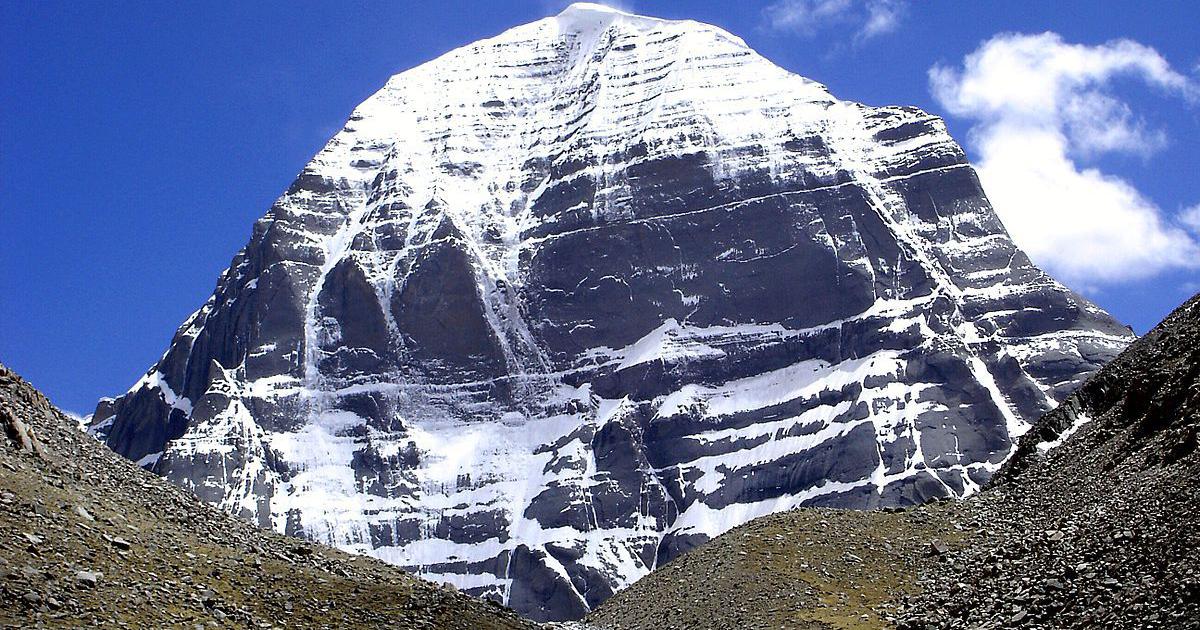
His five questions to Prime Minister Jawaharlal Nehru were taken up in Parliament in December 1952. The prince wanted to know whether the Tibetans had imposed new regulations on pilgrims visiting Mount Kailash and Lake Manasarovar. He also asked the prime minister what steps had been taken to “prevent the violation of Indian territories and the harassment of Indian pilgrims to the holy places by Tibetans in the future”.
Anil Kumar Chanda, the Deputy Minister of External Affairs, responded on behalf of the government. He said that the government was not aware of any Tibetan claims on the sacred Hindu shrines, but had asked the authorities in Uttar Pradesh to investigate reports that the Tibetan flag had been hoisted at Gumgum Nala.
The parliamentary responses...
Read more
What's Your Reaction?
 Like
0
Like
0
 Dislike
0
Dislike
0
 Love
0
Love
0
 Funny
0
Funny
0
 Angry
0
Angry
0
 Sad
0
Sad
0
 Wow
0
Wow
0