




































How a British police officer turned his Indian postings into pulp fiction
Join our WhatsApp Community to receive travel deals, free stays, and special offers!
- Join Now -
Join our WhatsApp Community to receive travel deals, free stays, and special offers!
- Join Now -

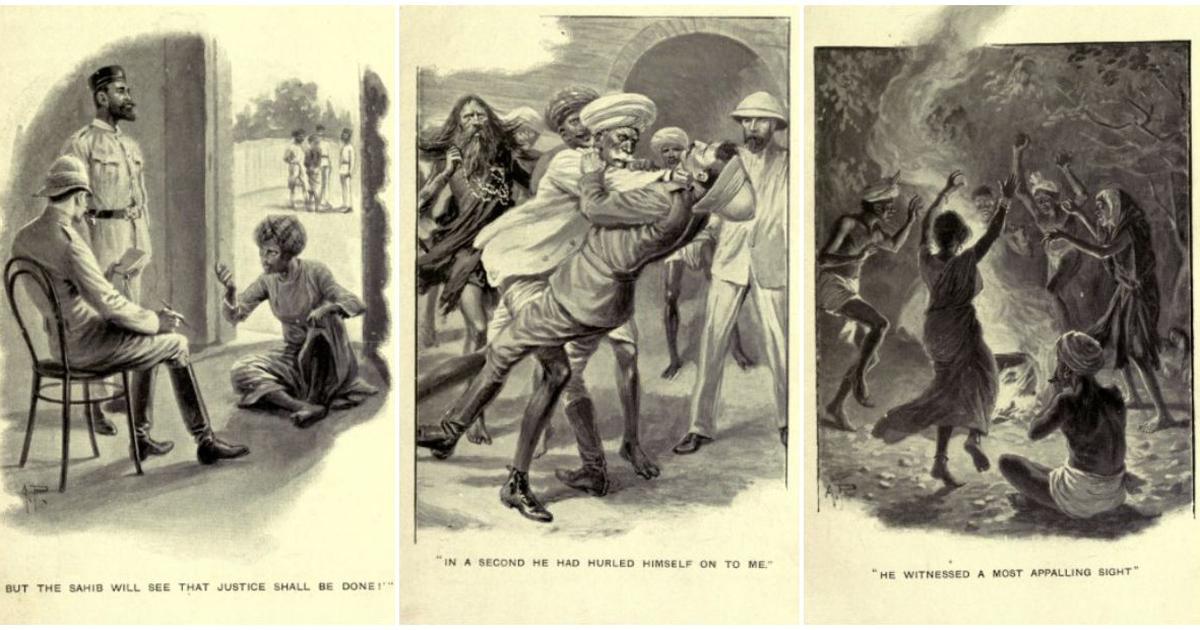
As his 30-year career in the British Indian police drew to a close, Edmund Cox found himself confounded by a wave of burglaries rippling through the Bombay suburb of Bandora, now Bandra. The houses being broken into belonged to wealthy families who had abandoned them during the plague of 1896-’97. For some time, the police had no idea who was responsible. Then, two thieves were caught in the act.
Their confession, Cox recalled, stunned the police. They were Waghris, members of what the colonial government called a “criminal tribe”. Scattered across the suburbs, they used the “Baroda railway” to slip in and out of the city at will, committing crimes with impunity.
It was precisely the sort of episode that stayed with Cox: a crime, a chase, a community already marked out by the police, and finally the satisfying moment when the mystery was solved. Years later, these experiences would become the raw material of his books.
Cox had spent much of his working life moving through the Bombay Presidency and beyond. In My Thirty Years in India (1905), he looked back on assignments at Poona, Dharwad and Ahmednagar, moving between western and southern India, before going to Sindh and finally Thana. In Police and Crime in India (1911), he...
Read more
What's Your Reaction?
 Like
0
Like
0
 Dislike
0
Dislike
0
 Love
0
Love
0
 Funny
0
Funny
0
 Angry
0
Angry
0
 Sad
0
Sad
0
 Wow
0
Wow
0