


















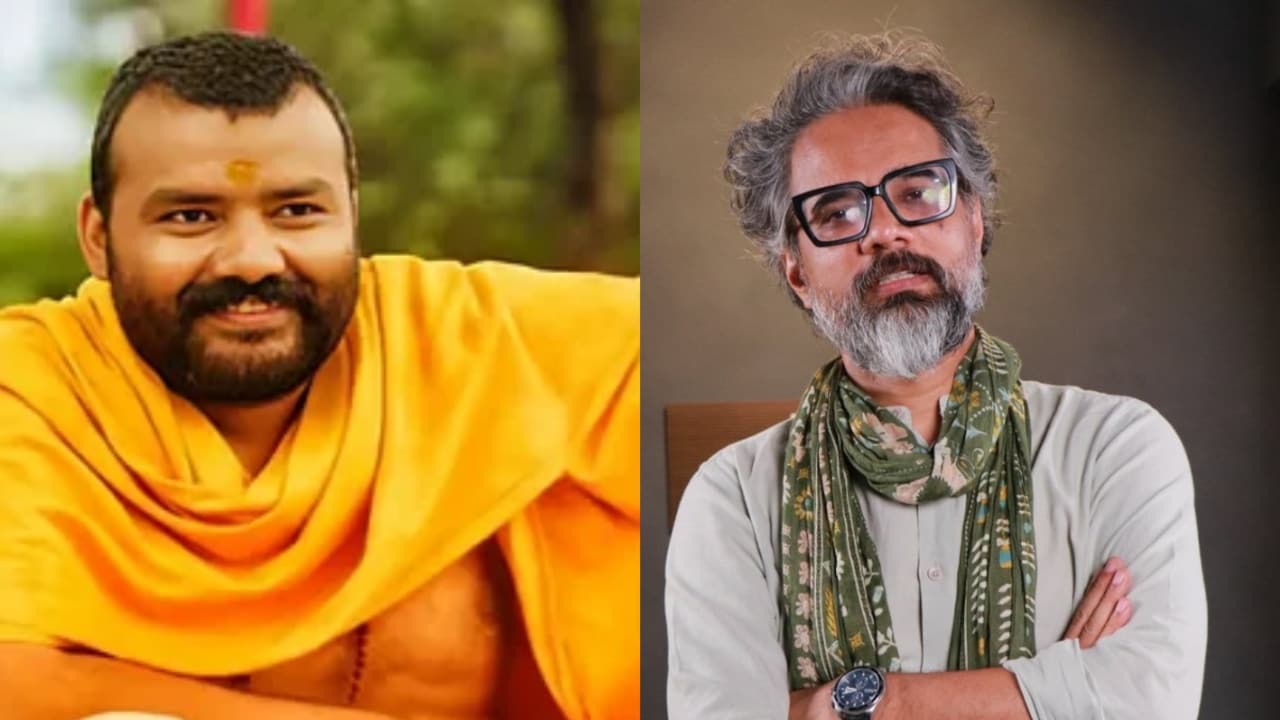











‘Gandhi in 1946-’47 is pursued, haunted by failure’: Political theorist Manash Firaq Bhattacharjee
Join our WhatsApp Community to receive travel deals, free stays, and special offers!
- Join Now -
Join our WhatsApp Community to receive travel deals, free stays, and special offers!
- Join Now -

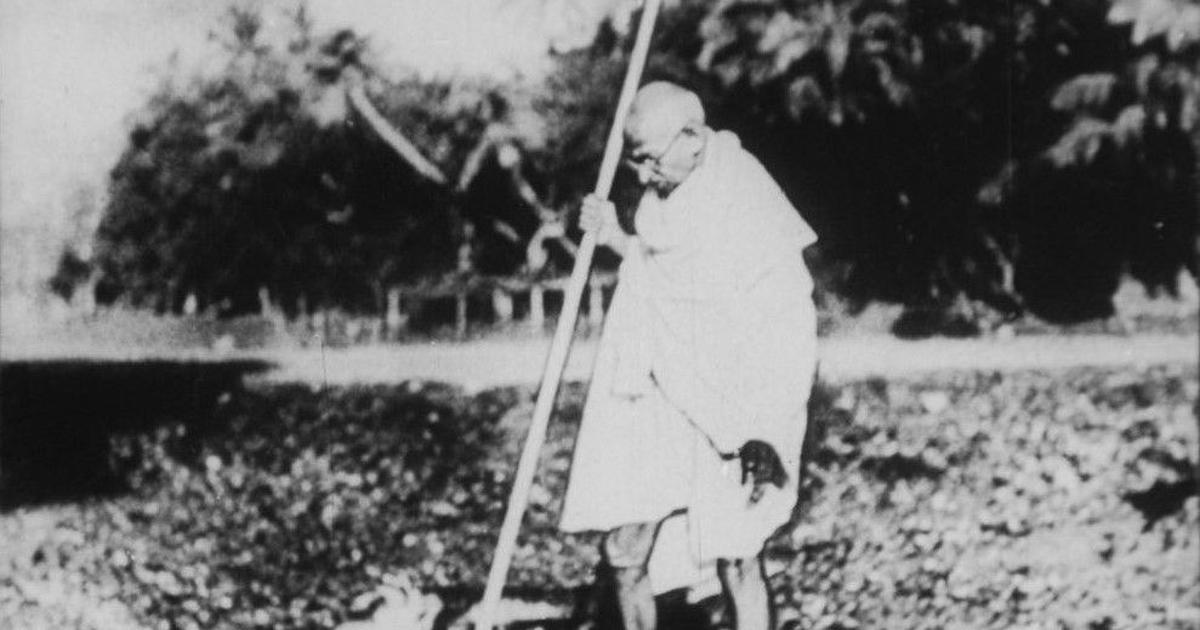
India won its freedom from British colonialism through a non-violent mass movement, but it paid for that independence with blood. In the months leading up to Partition, Mahatma Gandhi was faced with the utter rejection of his creed of non-violence, as Hindus, Muslims and Sikhs fell into a mad frenzy of communal killings.
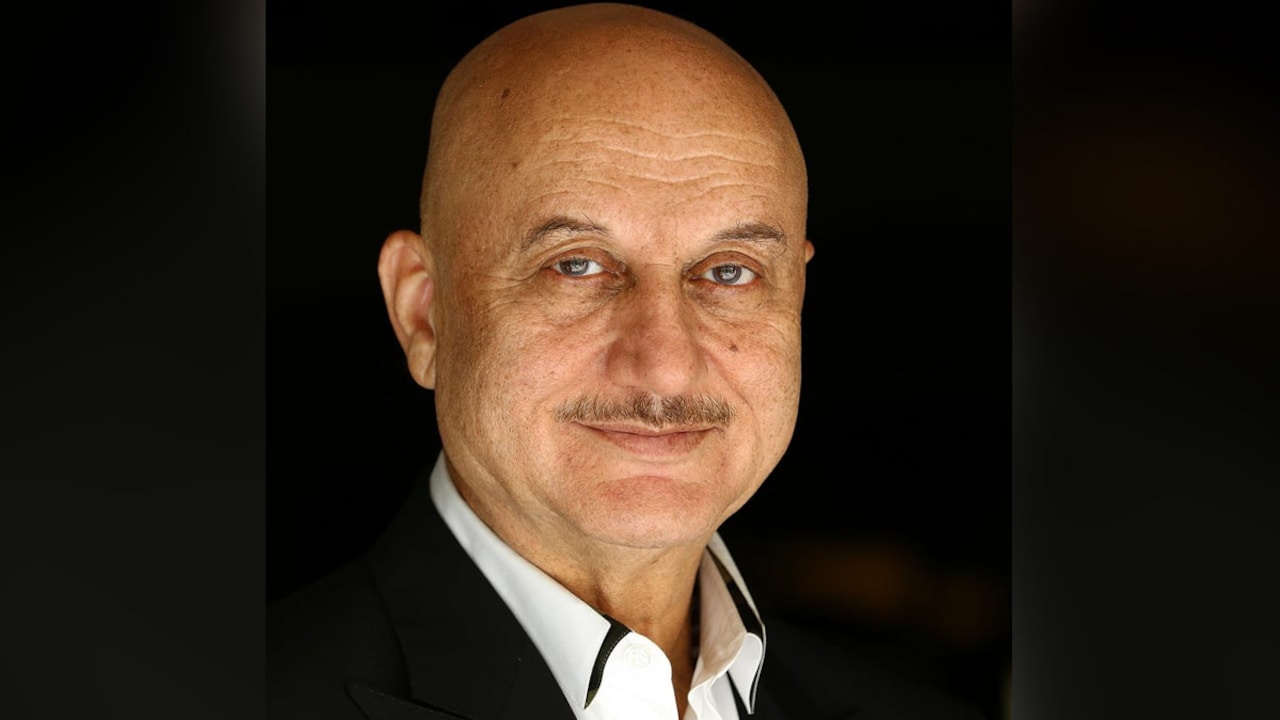
Manash Firaq Bhattacharjee’s recent book Gandhi: The End of Non-Violence takes a close look at Gandhi’s response to this horror, following him as he embarks on a lonely peace mission in Noakhali and Bihar, trying to stitch together, with his presence, neighbourhoods torn apart by violence.
In this interview with Scroll, Bhattacharjee speaks about why he was drawn to Gandhi’s last stand in Noakhali, and why he thinks historians have not done justice to the horror of Partition.
What led you to write a book on Gandhi’s peace mission in Noakhali and Bihar in the months before Partition? What gap were you hoping to fill?
Gandhi’s peace mission in Noakhali is the least known chapter of his life. But several writers and scholars call it the most heroic moment of Gandhi’s life. The late Marxist historian, Sumit Sarkar, wrote in his book, Modern India 1885-1947, that Noakhali was “the Mahatma’s finest hour”.
Salman Rushdie mentioned Gandhi’s “long, pacifying walk” of 1946 in Midnight’s Children, and...
Read more
What's Your Reaction?
 Like
0
 Dislike
0
 Love
0
 Funny
0
 Angry
0
 Sad
0
 Wow
0